
Joan (given name)
Joan is an English feminine form of John, derived from Hebrew roots. It has many variants, a long history, notable bearers in arts and politics, and was the name of a destructive 1988 hurricane.
Joan is a traditional female given name in English that traces back to the masculine name John. Its ultimate origin lies in the Hebrew name often rendered as Yochanan, meaning "God is gracious," transmitted through Latin and Old French into Middle English. The name has appeared in literature, religious contexts and public life for many centuries and remains recognizable across cultures.
Image gallery
1 Image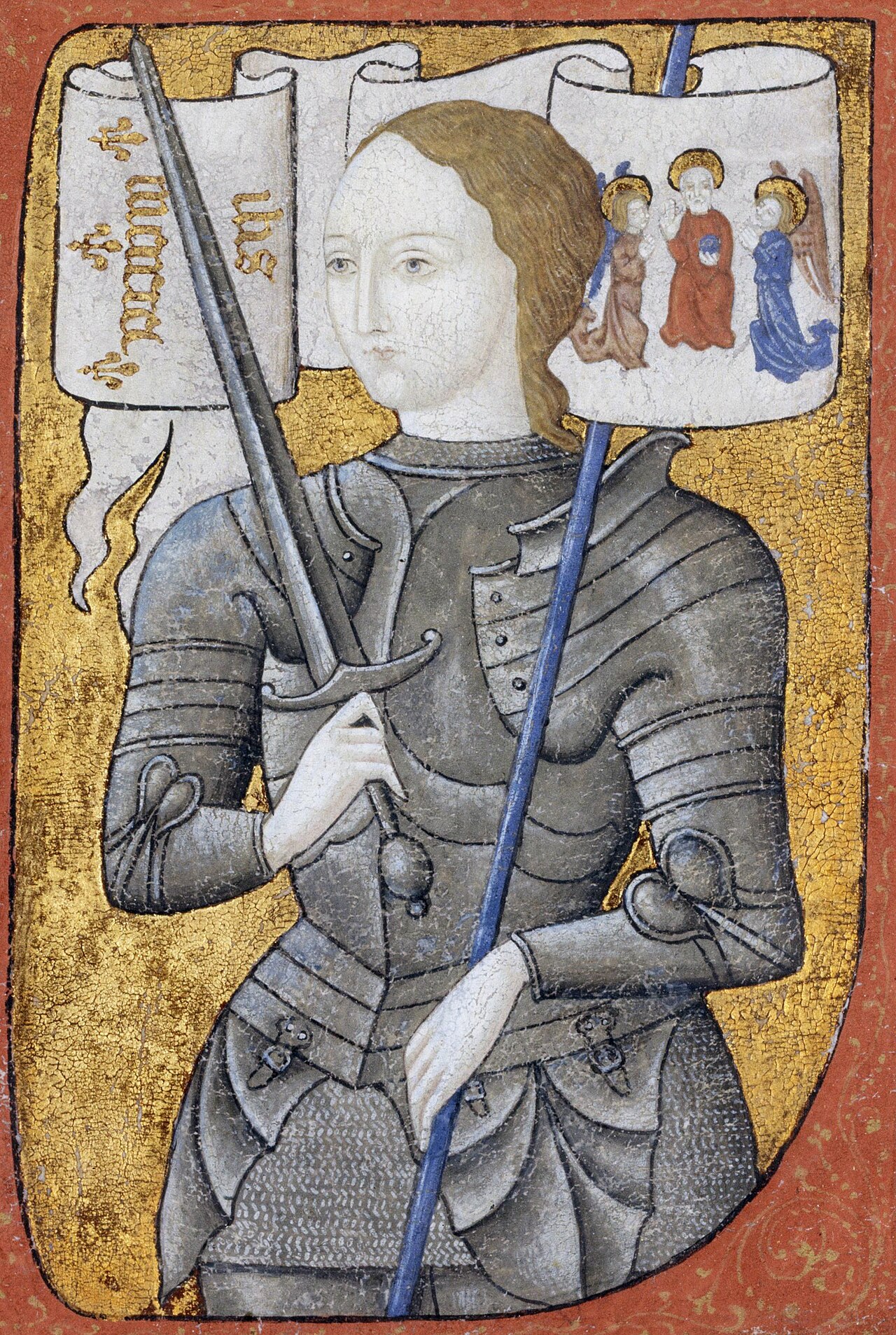
Origins and variants
The core form Joan is closely related to other feminine forms such as Joanna, Johanna and Joanne. Variants appear in many languages and may differ in pronunciation and spelling. Some common variants and related forms include:
- Joanna — a Latinate form often used in English and other European languages
- Johanna — Northern and Central European variant
- Joanne — modern English variant
- Jo — diminutive or nickname
Usage and cultural notes
Joan has been used both as a simple everyday name and as a marker of historical or literary significance. In English-speaking countries its popularity has fluctuated across generations. The name has been borne by saints, writers and political figures, and it sometimes appears in artistic works and place names. Pronunciations and local forms differ by region.
Notable people named Joan
Several well-known public figures have carried the name. Examples from entertainment and public life include Joan Rivers, Joan Caulfield and Joan Crawford. Historically, the name is famously associated with Joan of Arc, the French military and religious figure from the 15th century. These individuals have kept the name in public awareness across different generations.
Hurricane Joan (1988)
The name Joan was also assigned to a major tropical cyclone in 1988. That storm caused extensive destruction and loss of life as it moved through parts of Central America, with particularly severe impacts reported in Nicaragua. Because of the storm's severity the name was retired from the rotating lists used for naming Atlantic and eastern Pacific hurricanes; retired names are not reused to avoid confusion and sensitivity after particularly damaging events. For more on naming conventions and storm history see storm naming.
Further reading and references
Articles on given names, etymology and historical records provide deeper context. For general definitions and usage see an entry noting Joan as a female given name in the English language overview. Additional biographical and meteorological sources elaborate on prominent individuals and on Hurricane Joan respectively; related modern coverage and archival materials are often cited for more detailed study (see notable biographies) and for weather records (see official reports).
Author
AlegsaOnline.com Joan (given name) Leandro Alegsa
URL: https://en.alegsaonline.com/art/50380