
Jizya: the historical tax on non-Muslim subjects in Islamic polities
Jizya was a historical poll tax levied on non-Muslim subjects (dhimmī) in many Muslim-ruled states. This article explains its purpose, legal basis, variants, historical practice, exemptions, and later abolition.
Overview
Jizya (also jizyah, from Arabic jizyah) was a fiscal and legal institution in many pre-modern Muslim states that required certain non-Muslim residents to pay a regular tax in return for the protection of the state and exemption from military service. Classical sources describe jizya as part of the dhimma system — a framework that regulated the status of non-Muslim communities, primarily Jews and Christians, though practices and categories varied widely across time and place. For general background on tax and legal histories see historical tax studies and comparative treatments at religious minority laws.
Image gallery
5 Images

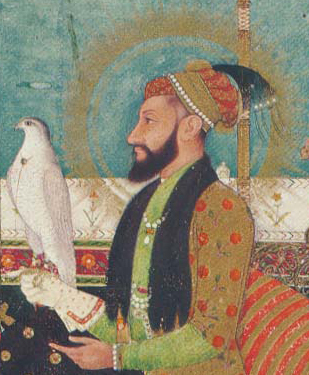


Legal basis and purpose
Medieval jurists grounded the obligation of jizya in scriptural and prophetic materials as well as in the administrative needs of states. In practice it combined fiscal, symbolic, and military elements: it produced revenue for the treasury, signified the subordinate but protected status of non-Muslim subjects, and justified their exemption from military service. Some interpreters emphasized jizya as part of a broader contract of communal protection and autonomy; others emphasized its role as a marker of political authority.
Administration, rates, and exemptions
There was no single uniform rate or method of collection. Across regions and eras officials set the amount according to capacity to pay, social standing, and local custom. Muslim rulers sometimes categorised payers into bands and collected the tax annually or at other intervals. Commonly noted exemptions and variations included:
- exemptions for women, children, the elderly, the poor, and persons with certain disabilities;
- different treatments for monks, priests, or members of clergy in some regions;
- temporary suspension or modification during wartime, tax farming, or administrative reform.
For administrative examples and archival accounts see collections and studies referenced at specialized archives.
Historical development and abolition
Jizya was practiced with varying intensity from the early caliphates through medieval and early modern empires, including well-documented usage in states such as the Ottoman Empire. Over the 19th and early 20th centuries, many Muslim-majority states reformed or abolished jizya as they modernized tax systems and moved toward equal civic status for subjects. Debates about its continuation or abolition intersected with broader political, legal, and social change in the modern era.
Significance and controversies
Scholars and commentators differ on how to assess jizya. Some view it as a pragmatic fiscal arrangement that allowed religious minorities communal autonomy and protection; others stress its role as a marker of unequal citizenship. In contemporary discussions, references to jizya sometimes appear in polemical or ideological contexts. Modern legal systems in most Muslim-majority countries no longer use it; its legacy is studied for what it reveals about governance, intercommunal relations, and state formation. For recent historiographical debates and comparative perspectives see academic discussions.
Notable distinctions
Important distinctions for understanding jizya include the difference between legal theory and administrative practice, regional variation (North Africa, the Middle East, South Asia), and temporal change as polities adapted taxation, military organization, and minority policy. Appreciating these distinctions helps avoid simplistic characterizations and situates jizya within broader fiscal and social institutions of pre-modern states.
Related articles
Author
AlegsaOnline.com Jizya: the historical tax on non-Muslim subjects in Islamic polities Leandro Alegsa
URL: https://en.alegsaonline.com/art/50331