
Jethro Tull (agriculturist): inventor of the seed drill and early mechanized farming methods
English agricultural pioneer (1674–1741) who developed a practical seed drill and promoted horse-hoeing husbandry, influencing agricultural improvement in 18th-century Britain.
Overview
Jethro Tull (1674–1741) was an English agriculturist and inventor often associated with early advances in mechanized farming. Best known for designing a practical seed drill and for advocating systematic cultivation techniques, Tull played a notable role in changes to crop husbandry during the early 18th century. He combined hands-on experimentation with written argument to promote a more regimented approach to sowing and cultivating cereals.
Image gallery
4 Images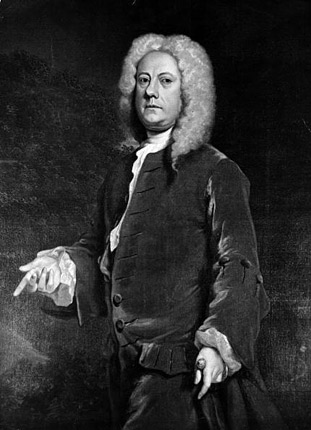


Inventions and methods
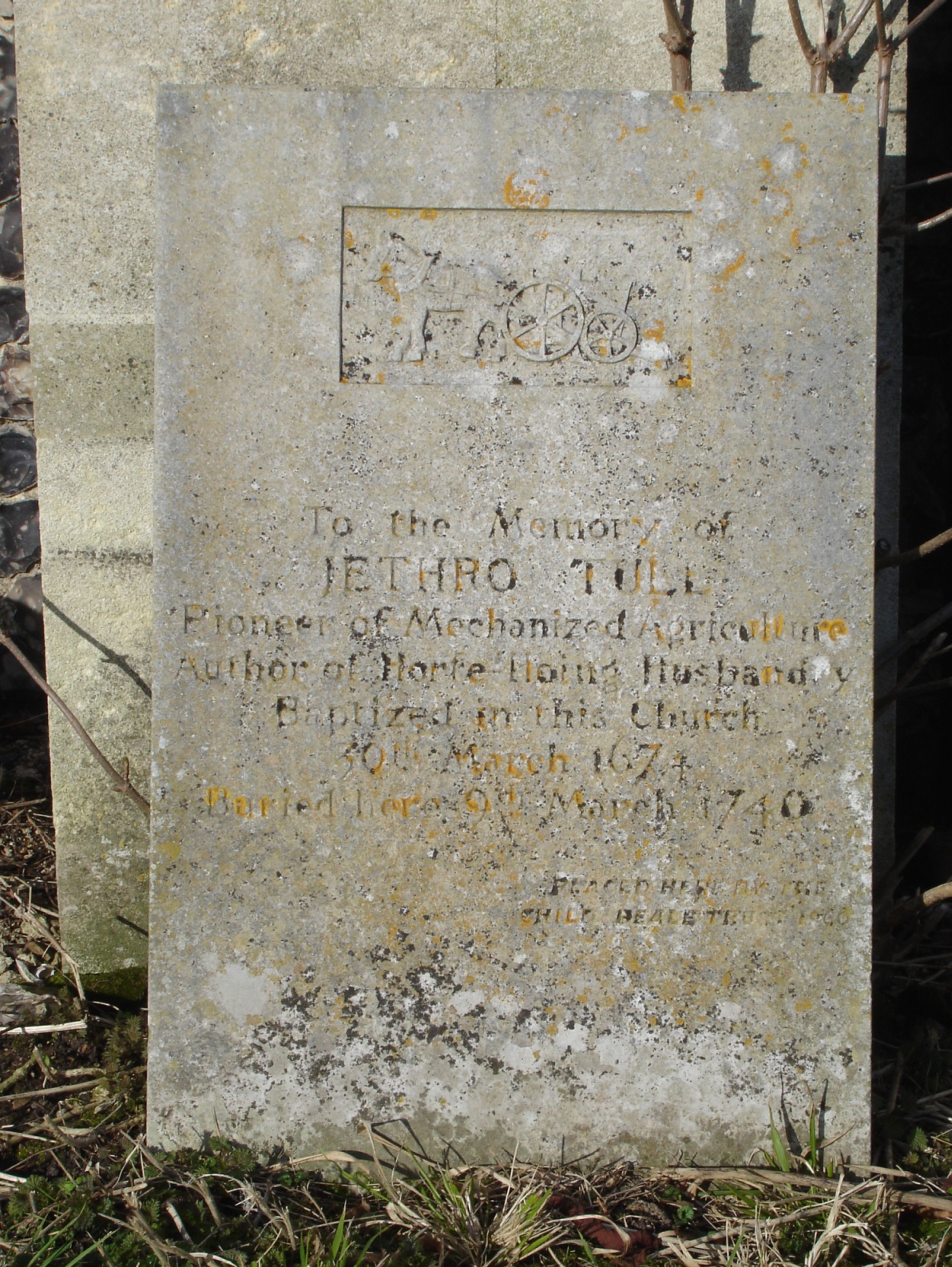
Tull's most celebrated device, the seed drill, placed seeds in regular rows at a controlled depth and spacing, reducing seed waste and improving germination compared with broadcast sowing. His machines were typically drawn by horses or oxen and included mechanisms to deposit seeds into furrows and cover them. Alongside the drill, Tull emphasized the practice commonly called "horse-hoeing husbandry," which advocated frequent hoeing between rows to suppress weeds and aerate soil rather than relying solely on fallowing. Together these ideas aimed to increase the efficiency of land use and reduce labor spent on uneven planting.
Development and publication
Tull refined his drilling apparatus through trials on his own land and described his techniques in published works intended to persuade other farmers. His most influential book, The New Horse-Hoeing Husbandry, set out both practical descriptions of implements and theoretical arguments about how continuous tillage and mechanical sowing could improve crop growth. He presented his machines as practical solutions that could be adopted where suitable conditions and resources existed.
Impact and historical context
Tull's inventions and writings are often placed within the wider British Agricultural Revolution, a period of evolving practices and tools that gradually increased agricultural productivity in Britain. The seed drill became a model for later planters and drills; it illustrated how mechanization could make sowing faster and more uniform. Adoption was uneven, however: cost, farm size, soil type, and traditional habits affected how quickly farmers embraced the new methods. Nevertheless, Tull's work helped stimulate interest in improving implements and farming systems.
Reception, limits, and debate
Contemporaries and later historians have both praised Tull for technical inventiveness and critiqued aspects of his theory. Some of his claims about the universal applicability of intensive horse-hoeing and continual cultivation did not suit all soils or climates, and his machines were not immediately universal. Over time, though, his focus on precision in sowing and on experiment-based improvement influenced instrument makers and progressive farmers.
Legacy and notable facts
Today Jethro Tull is remembered as a practical innovator whose seed drill prefigured later precision planters. His name is often cited in histories of agricultural mechanization and improvement. For further reading on his life and inventions see general biographies and collections that examine 18th-century agriculture: biographical overview of Jethro Tull, background on agriculture in England, detailed accounts of his inventions, discussions of economic effects on rural society and economy, and regional histories such as introductions of his methods to Wales.
- Key innovations: seed drill, cultivation implements, systematic hoeing.
- Main publication: The New Horse-Hoeing Husbandry (early 18th century).
- Importance: early influence on mechanized sowing and agricultural experimentation.
Related articles
Author
AlegsaOnline.com Jethro Tull (agriculturist): inventor of the seed drill and early mechanized farming methods Leandro Alegsa
URL: https://en.alegsaonline.com/art/50100