
Jigsaw (John Kramer) — profile of the Saw franchise antagonist
John Kramer, known as Jigsaw, is the central antagonist of the Saw films: a former man transformed by illness into a designer of lethal moral tests who forces victims to confront survival and responsibility.
John Kramer, commonly called Jigsaw, is a fictional character who serves as the principal antagonist of the Saw franchise. Introduced in the 2004 original film, he reappears and is referenced across sequels and related media. The role is portrayed by actor Tobin Bell, whose performance helped make the character a recurring figure in modern horror cinema.
Image gallery
4 Images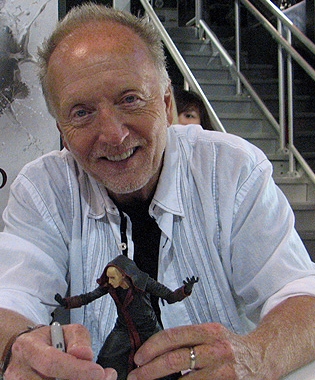



Origins and motivation
Broadly depicted as a once-successful man whose life changed after a serious personal loss and a terminal medical diagnosis, Jigsaw adopts a punitive philosophy that frames his actions as moral tests. He targets people whom he judges to be wasting their lives or failing to appreciate survival, subjecting them to elaborate contraptions and scenarios that demand painful choices. The character is notable for insisting that he does not directly murder his victims but rather gives them an opportunity to survive at great personal cost.
Methods and recurring motifs
Jigsaw's methods combine careful planning, mechanical ingenuity and theatrical presentation. His signature motifs include intricate devices, restraint apparatus, and the use of a puppet to deliver recorded instructions to victims. The traps vary widely but commonly force participants into dilemmas that test pain tolerance, self-sacrifice and moral resolve. These elements underscore the franchise's persistent tension between redemption narratives and extreme physical horror.
Allies, apprentices and narrative development
Across the series, other characters become connected to Jigsaw's work as allies, students or adversaries. Notable followers who figure prominently in later installments include characters who help construct or continue the tests; their involvement expands the original concept into a broader clandestine operation. This expansion allows the films to explore consequences, betrayals and shifts in the creator’s intent.
Film appearances
Portrayal and reception
Critics and audiences have responded to Jigsaw as both a concept and a character. The role elevated Tobin Bell within the horror genre and contributed to debates about ethics, punishment and spectacle in entertainment. Reviews and commentary range from recognition of the character's psychological complexity to criticism of the franchise's increasing focus on graphic traps and escalating gore. The figure has been cited in popular rankings of memorable movie antagonists.
Cultural impact and legacy
Beyond film, the Jigsaw persona has appeared in expanded-universe materials and inspired discussions about vigilante justice in fiction. The franchise produced tie-in comic material, video game adaptations and merchandise, and the character remains a touchstone for analyses of horror that combine moralizing themes with physical peril. For background and analysis, consult franchise overviews, critical essays and actor interviews available via fan and film-reference resources: critical essays, franchise overview, and the actor profile at Tobin Bell.
Further reading and resources include behind-the-scenes features, film-by-film breakdowns and journalistic coverage that trace how the Jigsaw persona evolved during the series and how supporting characters and successors extended the narrative. See also official documentary and promotional materials archived by distributors and fan compilations that document the character’s development and influence within horror media.
Questions and answers
Q: Who is Jigsaw in the Saw franchise?
A: Jigsaw is the main antagonist and a fictional character who appears in the Saw franchise.
Q: What is Jigsaw's real name?
A: Jigsaw's real name is John Kramer, known as The Jigsaw Killer or simply Jigsaw.
Q: How many movies did Jigsaw appear in?
A: Jigsaw appeared in eight movies of the Saw franchise, including Saw, Saw II, Saw III, Saw IV, Saw V, Saw VI, Saw 3D, and Jigsaw.
Q: Who played Jigsaw in the movies?
A: Jigsaw was played by American actor Tobin Bell.
Q: What is Jigsaw's ranking in Empire magazine's "100 Greatest Movie Characters" list?
A: Jigsaw ranks No. 30 in Empire magazine's "100 Greatest Movie Characters" list.
Q: Is Jigsaw a real-life character?
A: No, Jigsaw is a fictional character from the Saw franchise.
Q: In which movie did Jigsaw first appear?
A: Jigsaw first appeared in the first movie of the Saw series, Saw.
Related articles
Author
AlegsaOnline.com Jigsaw (John Kramer) — profile of the Saw franchise antagonist Leandro Alegsa
URL: https://en.alegsaonline.com/art/50173
Sources
- bloody-disgusting.com : "[Exclusive] We've Got the First 'Saw: Legacy' Plot Details; Tobin Bell Returning!"
- empireonline.com : "The 100 Greatest Movie Characters"