
Jerez de la Frontera: city of sherry, horses and flamenco
Overview of Jerez de la Frontera in Cádiz, Spain: history, sherry wine, equestrian tradition, flamenco culture, landmarks and tourism highlights.
Overview
Jerez de la Frontera is a historic city in the province of Cádiz, within the autonomous community of Andalusia in Spain. It is best known worldwide for the fortified wine called sherry, locally produced and traded from centuries-old cellars, and for vibrant traditions of horse breeding and flamenco song and dance.
Image gallery
10 Images


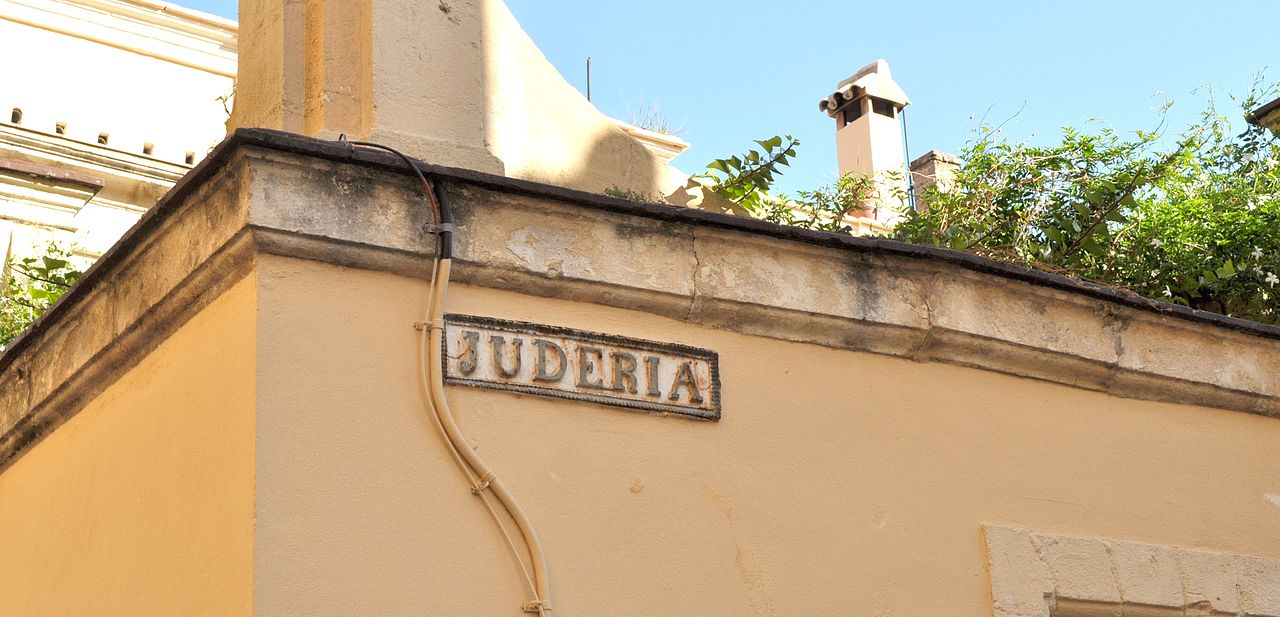


What defines Jerez
The city's identity blends agriculture, craft and performance. Vineyards and sherry bodegas surround the urban core, where the solera aging method is used to create styles such as fino, amontillado and oloroso. The equestrian schools and horse fairs celebrate the Andalusian horse; visitors can see training displays and carriage parades throughout the year.
Historical layers
Jerez has long-standing roots that predate modern Spain: prehistoric, Phoenician and Roman presences left archaeological traces, later followed by centuries of Moorish rule. The city's medieval name, often rendered as Xeres, derives from the Arabic form Sherish. The suffix "de la Frontera"—literally "of the frontier"—reflects its historical role as a border town between Islamic and Christian territories during the Reconquista era and the shifting political frontiers on the Iberian Peninsula (history of the peninsula).
Culture and traditions
Jerez is associated with flamenco: its singers, guitarists and dancers help sustain deeply rooted Andalusian forms of expression. The city hosts performances, competitions and lessons that attract both local aficionados and international students. Flamenco remains a living art in Jerez, preserved in family studios and public tablaos; see more about the style and events here.
Economy, festivals and attractions
Beyond viticulture and equestrian activities, Jerez supports tourism through historic sites such as the Alcázar, the cathedral and numerous bodegas offering guided tastings. Annual fairs and horse shows draw crowds; the Real Escuela Andaluza del Arte Ecuestre showcases classical horsemanship. The city also has an international profile for motorsport at the Circuito de Jerez and for cultural festivals that highlight local gastronomy and music.
Practical notes and notable facts
- Sherry production: an internationally traded regional speciality with a distinctive aging system.
- Equestrian tradition: breeding and training of Andalusian horses are central to civic identity.
- Flamenco: Jerez is regarded as one of the important centres for flamenco song and dance in Andalusia.
- Heritage: layers of Roman, Moorish and medieval Christian architecture can be explored on foot.
Visitors encounter a compact city where agricultural landscapes and urban life intersect: bodegas open their cellars, stables present performances, and flamenco evenings keep a centuries-old cultural conversation alive. For those wishing to explore further, local museums, guided tours and seasonal events provide accessible ways to learn about Jerez's wine, history and performing arts.
Related articles
Author
AlegsaOnline.com Jerez de la Frontera: city of sherry, horses and flamenco Leandro Alegsa
URL: https://en.alegsaonline.com/art/49961