
Japanese Sign Language (JSL) — overview, features, history and use
Japanese Sign Language (JSL) is the primary natural sign language of Japan, with its own grammar, regional varieties, cultural role, and distinct identity from signed or manually coded Japanese.
Overview
Japanese Sign Language (JSL; 日本手話, Nihon Shuwa) is the principal natural sign language used within Japan's Deaf community. It is a visual-gestural language with its own vocabulary and grammar, learned natively by Deaf people and used in daily life, families, communities, and institutions. JSL is distinct from signed versions of spoken Japanese that encode Japanese word order and grammar.
Image gallery
8 Images




Core characteristics
Like other natural sign languages, JSL depends on handshape, movement, orientation, location in signing space, and non-manual features such as facial expression and body posture. Important features include:
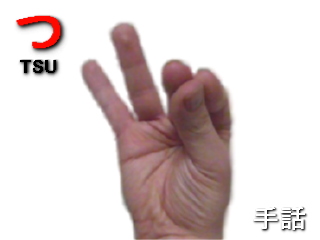
- Use of a kana-based fingerspelling system and other manual alphabets for names and loanwords.
- Spatial grammar: reference to people, places and events by placing signs in space and using directional verbs.
- Classifiers: handshape patterns that represent categories of objects or movements.
- Prosody conveyed through facial expressions and timing rather than intonation.
History and development
JSL developed within Deaf communities in Japan over generations and shows regional variation. Educational policies, social attitudes and contact with other sign languages have influenced its development. Throughout the 20th century, schooling and rehabilitation practices affected how sign language was used and transmitted; in many contexts, oralist approaches limited public visibility of sign. In recent decades, activism, interpreter training and media exposure have strengthened the language's public presence.
Uses and social importance
JSL is used in family communication, Deaf culture and community events, education, interpreting, and public services. Professional interpreters work in legal, medical and broadcast settings to provide access. Technology—video calls, captioning, and online learning—has expanded opportunities for JSL users and learners.
Distinctions and contemporary issues
It is important to distinguish JSL from "Signed Japanese" or manually coded systems that map signs onto spoken Japanese grammar. Debates continue about education models for Deaf children, official recognition of sign language, interpreter certification, and preservation of regional signing varieties. For more detailed linguistic descriptions and resources, see resource one and community or educational listings at resource two.
Related articles
Author
AlegsaOnline.com Japanese Sign Language (JSL) — overview, features, history and use Leandro Alegsa
URL: https://en.alegsaonline.com/art/49543
Sources
- worldcat.org : OCLC 248814292
- worldcat.org : OCLC 238810838