
James Jesus Angleton: Architect and Controversy of CIA Counterintelligence
Overview of James Jesus Angleton (1917–1987), long-serving chief of CIA counterintelligence, his career from OSS to the CIA, mole-hunting methods, controversies including Operation CHAOS, and his legacy.
James Jesus Angleton (1917–1987) was the most prominent and controversial American counterintelligence officer of the Cold War era. Best known for leading the CIA's counterintelligence function from the mid-1950s through the mid-1970s, Angleton shaped the agency's approach to detecting double agents and protecting secrets. His tenure produced both celebrated successes and deep institutional disputes over methods, secrecy, and the balance between vigilance and paranoia.
Image gallery
3 Images
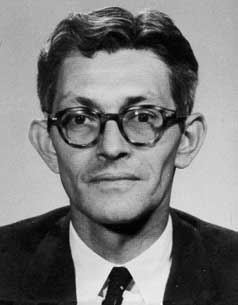

Early career and formation
Angleton began his intelligence career during and immediately after World War II. He served in wartime intelligence work and in the postwar period worked in Europe, including postings in Italy. He was an officer of the Office of Strategic Services (OSS), the wartime precursor to the CIA, and in the late 1940s became one of the agency's early officers as the United States organized its postwar intelligence services. His experiences in wartime and early Cold War Europe — including exposure to defections, cryptographic breakthroughs and allied intelligence cooperation — informed his later outlook.
Role and methods in counterintelligence
From roughly 1954 until his removal in the mid-1970s Angleton was the CIA's top counterintelligence official (officially Associate Deputy Director of Operations for Counterintelligence). In that capacity he directed efforts to discover "moles" — insiders who passed secrets to Soviet or other adversary services — and to guard Western intelligence from penetration. He cultivated relationships with allied services and drew on signals intelligence and defectors' reports in framing counterintelligence investigations. The CIA's counterintelligence office under Angleton emphasized deep vetting, compartmentation of operations, and an aggressive pursuit of inconsistencies in personnel and tradecraft.
- Emphasis on human sources and defectors as keys to detecting penetration.
- Intensive scrutiny of suspected leak patterns and of contacts between agencies.
- Long-running mole hunts that sometimes halted or delayed operations.
Angleton's office is often associated with a cautious, even conspiratorial, mindset about the depth of Soviet penetration — a posture shaped in part by high-profile defections and by cryptanalytic efforts that revealed Soviet espionage activity.
Controversies: domestic spying and mole hunts
During the late 1960s and early 1970s, the CIA's counterintelligence activities drew public and congressional scrutiny. Investigations by the U.S. Senate (the Church Committee) revealed that the agency had engaged in domestic surveillance and investigative programs that reached into U.S. political and social movements. Material made public by these inquiries implicated CIA units, including counterintelligence personnel, in programs that monitored anti-war and civil rights groups at home. Many critics faulted Angleton's style of long, speculative mole-hunts for producing false leads, damaging careers, undermining trust inside allied services, and blurring the line between foreign counterintelligence and domestic political surveillance. The controversies led to his progressive removal from authority and his departure from the agency in the mid-1970s. For more on his formal role see CIA counterintelligence and for broader context on the era see World War II and its aftermath.
Legacy and assessment
Angleton's legacy is disputed. Admirers argue that his insistence on rigorous countermeasures and distrust of simplistic signals was useful in a period of aggressive Soviet espionage. Critics contend that his methods produced institutional paralysis, wasted resources, and unjust suspicions that harmed individuals and allied relationships. His career remains a case study in the dilemmas of intelligence work: the tension between secrecy and oversight, the risks of overreach, and the difficulty of distinguishing genuine conspiracies from coincidences. Congressional inquiries and historical studies continue to examine his impact; his role in domestic programs and in shaping postwar counterintelligence remains an important chapter in U.S. intelligence history. For discussion of the controversies and postwar inquiries see congressional investigations.
Angleton died in 1987. Histories of the CIA treat him as a central, complex figure whose approaches to counterintelligence influenced subsequent doctrine and debate. Readers seeking primary documents and investigative reports should consult specialized archives and published inquiries; general treatments of Cold War intelligence place Angleton's career within the larger contest between East and West and the internal evolution of American intelligence institutions.
Further reading and archival materials are available through institutional repositories and specialist studies of Cold War intelligence; for introductory overviews see relevant institutional pages and historical surveys at OSS-era resources and other accessible summaries (Italy postings provide regional context).
Related articles
Author
AlegsaOnline.com James Jesus Angleton: Architect and Controversy of CIA Counterintelligence Leandro Alegsa
URL: https://en.alegsaonline.com/art/49231
Sources
- washington.blogs.nytimes.com : washington.blogs.nytimes.com/