
Jam session — informal musical gatherings for improvisation
A jam session is an informal meeting of musicians to improvise, test new material, learn, and socialize. Common in jazz, blues, rock and other genres, jams foster creativity, skills, and musical networks.
Overview
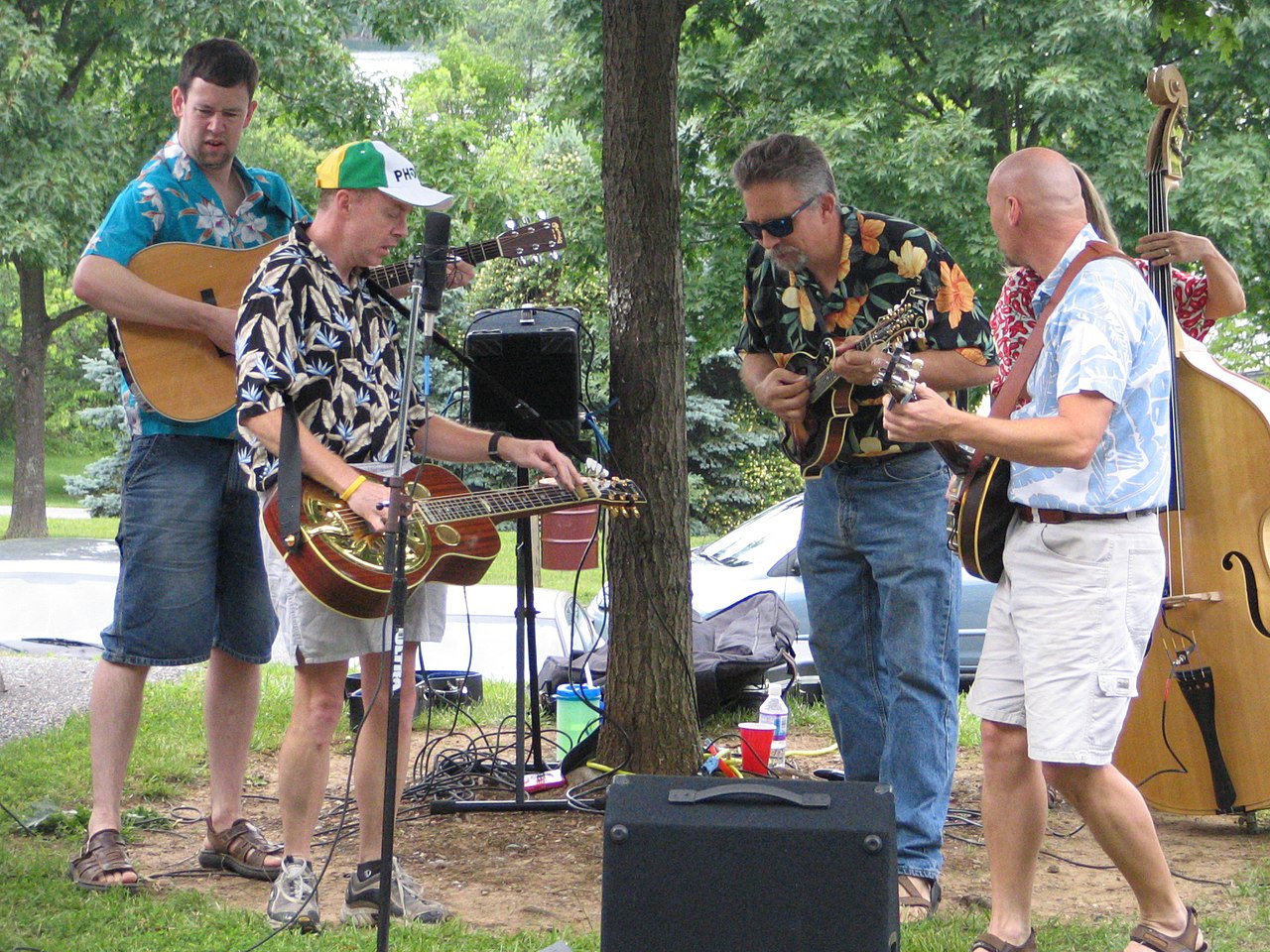
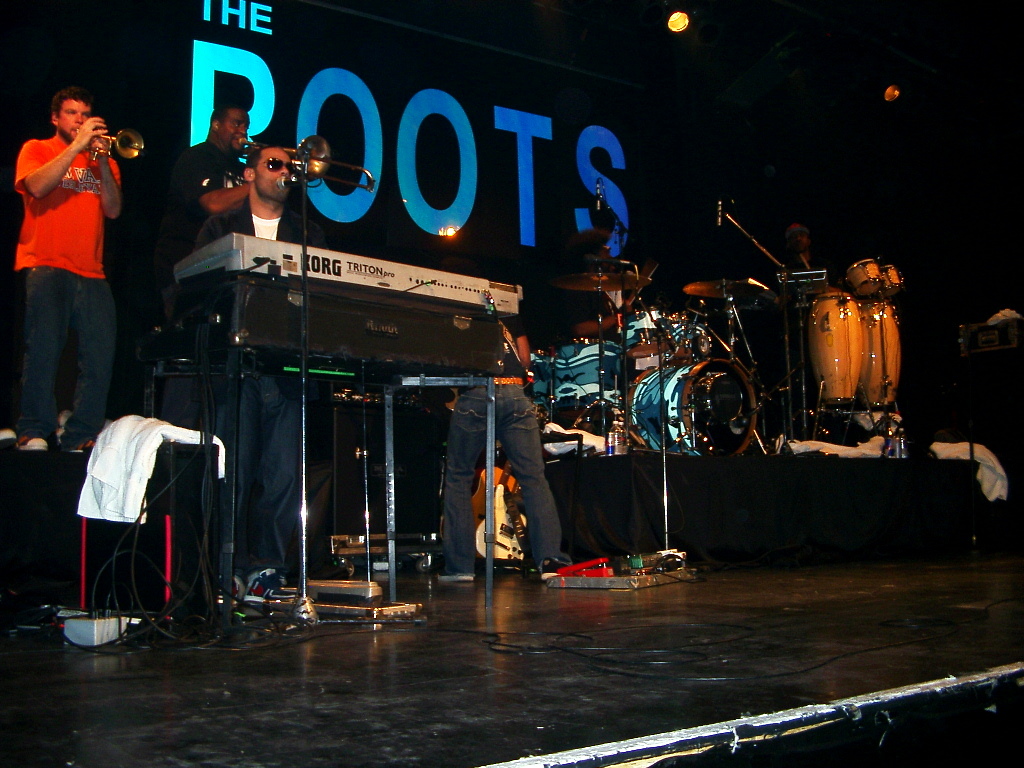
A jam session is an informal musical meeting where players improvise, exchange ideas, and explore tunes without the strict framework of a concert or studio session. Typically led by a rhythm section or a more experienced player, a jam emphasizes spontaneous creation, listening and interaction. Many players attend jams to practice improvisation, try out new material, or meet other musicians.
Image gallery
5 Images


Characteristics and common formats
Jam sessions vary in size and style. Jazz jams often follow a "head–solo–head" format, using a standard tune as a reference while individuals take turns soloing. Blues and rock jams may revolve around a repeating chord progression or groove. Universal features include on-the-fly arrangement, real‑time cues for tempo and key, call-and-response patterns, and "trading" short solos (for example, trading fours in jazz).
History and development
Jam sessions have deep roots in early 20th‑century jazz, where late‑night gatherings at clubs and halls became laboratories for new sounds and techniques. These informal meetings contributed to stylistic developments in jazz and other genres, providing a space where players experimented outside commercial pressures. Over time, jams spread into blues, rock, folk and world-music communities.
Uses and importance
Players use jams for multiple purposes: sharpening improvisational skills, testing arrangements, songwriting, networking and talent discovery. Some bands and songs originated directly from material developed during jams. Educators also recommend jams as practical learning environments because they force real-time decision-making and ensemble listening. For more on improvisation methods see improvisation resources.
Etiquette and practical notes
- Listen actively and support soloists rather than competing with them.
- Announce the key, tempo and form clearly when starting a tune.
- Keep solos concise so others can participate; trade phrases to share space.
- Be respectful of venue rules and sound limits; bring only essential gear.
Variations and notable facts
Jams occur in pubs, rehearsal spaces, conservatory drop‑ins, house parties and online streams. Some famous jam environments became historically important for innovation. Jamming appears across genres: jazz jam nights, blues jams, rock improvisational sessions and open‑mic formats in acoustic scenes. Musicians and organizers can find event listings and community pages through local networks and online platforms; a search or community board often lists recurring sessions (local listings), and instructional material can supplement participation (learning guides).
Whether used as a testing ground for new compositions or as a communal social ritual, the jam session remains a central practice for live musical creativity, offering a low‑pressure environment where spontaneous collaboration can lead to lasting musical ideas.
Related articles
Author
AlegsaOnline.com Jam session — informal musical gatherings for improvisation Leandro Alegsa
URL: https://en.alegsaonline.com/art/49150
Sources
- encarta.msn.com : "jam session definition"