
Jacksonville, North Carolina
A southeastern North Carolina city in Onslow County, known for its military installations, coastal proximity, and role as a regional center for commerce and services.
Overview
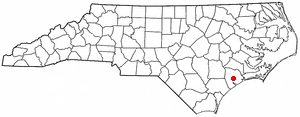
Jacksonville is a city in southeastern North Carolina and the county seat of Onslow County. Situated near the Atlantic coast, it functions as a regional hub for commerce, services, and transportation. The city has grown substantially over the late 20th and early 21st centuries and is home to a diverse community shaped in large part by a persistent military presence.
Image gallery
5 Images


Geography and climate
Jacksonville lies along the New River and is within easy driving distance of Atlantic beaches. The area is characterized by flat coastal plain terrain, estuarine waterways, and mixed urban and suburban development. The climate is humid subtropical, with hot summers, mild winters, and ample rainfall distributed through the year.
History and development
The town traces its roots to the Onslow County seat and was later renamed in honor of Andrew Jackson. Its modern expansion accelerated with the establishment and growth of major military installations nearby in the 20th century. Those developments brought population growth, new housing, and commercial infrastructure, connecting Jacksonville to a wider regional economy.
Economy and institutions
Jacksonville's economy is strongly influenced by military installations and the defense sector, which support local businesses, schools, and services. Public institutions, healthcare facilities, and retail centers serve both civilian residents and military families. The city also has an airport serving the region and road links to larger coastal and inland centers.
Points of interest and culture
- Major military bases and aviation facilities that shape civic life and employment
- Parks and riverfront areas along the New River, offering recreation and walking trails
- Monuments and museums that document local and military history
For more information about municipal services, events, and visitor resources, see the city website: Jacksonville official site. Jacksonville remains notable for the interplay between military institutions and a growing civilian community, its coastal setting, and its role as a service center for eastern North Carolina.
Related articles
Author
AlegsaOnline.com Jacksonville, North Carolina Leandro Alegsa
URL: https://en.alegsaonline.com/art/49001