
Ivan Katardžiev — Macedonian historian and specialist on IMRO and modern history
Ivan Katardžiev (1926–2018) was a leading Macedonian historian known for his research on the Internal Macedonian Revolutionary Organization, the Yugoslav period, and the early years of Macedonian independence.
Overview
Ivan Katardžiev (Bulgarian: Иван Катарджиев; Macedonian: Иван Катарџиев) (6 January 1926 – 1 December 2018) was a prominent historian from what is today North Macedonia. He was widely regarded within the region as one of the most authoritative scholars on the history of the Internal Macedonian Revolutionary Organization (IMRO) and on the political and social development of Macedonia during the Yugoslav period and the early years after independence. Katardžiev served as the director of the Institute for National History in Skopje, where he shaped research agendas and mentored younger historians.
Image gallery
1 Image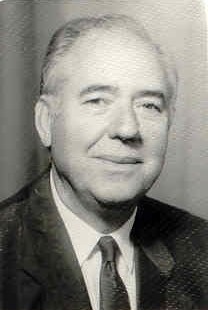
Research focus and contributions
Katardžiev concentrated on modern and contemporary Macedonian history, with particular attention to nationalist movements, revolutionary organizations, and state formation. His work examined the origins, organization, and legacy of IMRO, tracing how the movement influenced regional politics. He also analyzed the processes of cultural and political life in Macedonia while it was a republic within Yugoslavia and during the transition to independent statehood. As an institutional leader, he helped develop archival collections and scholarly publications that remain reference points for researchers.
Key topics and methods
- Internal Macedonian Revolutionary Organization (IMRO) and its role in regional politics.
- Social and political history of Macedonia under Yugoslav rule.
- Institutional history and archival preservation.
- Engagement with oral histories, official documents, and contemporary press sources.
Historical context and significance
Understanding Katardžiev's work requires some background on the region he studied. IMRO was a late 19th and early 20th century movement that affected competing national claims in the Balkans; the Yugoslav period (1918–1991 in broader terms) shaped Macedonian institutions, education, and identity. Katardžiev’s research sought to document how these forces intersected and how they informed the modern Macedonian state. His scholarship contributed to public understanding as well as academic debates about identity, memory, and continuity.
Reception and legacy
Katardžiev was respected for the depth of his archival work and his role in building historical infrastructure in Skopje. Like many historians working on sensitive national topics, some of his interpretations provoked debate among scholars and political actors; nevertheless, his writings remain frequently cited in studies of Balkan history. He died in Skopje on 1 December 2018, leaving a substantial body of research and an institutional legacy at the Institute for National History. For further reading, see institutional catalogs and regional historiographies available through academic repositories (related resources).
Related articles
Author
AlegsaOnline.com Ivan Katardžiev — Macedonian historian and specialist on IMRO and modern history Leandro Alegsa
URL: https://en.alegsaonline.com/art/48686
Sources
- books.google.com : Historical Dictionary of the Republic of Macedonia
- balkaninsight.com : "Macedonia Names Top Historian as Communist Informer"
- sdk.mk : Почина академик Иван Катарџиев, врвен научник за Македонската историја