
It (Pennywise) — Stephen King's supernatural antagonist
Overview of It, commonly known as Pennywise, the shapeshifting antagonist from Stephen King's novel: nature, abilities, narrative role, screen portrayals, themes, and cultural influence.
It, most commonly encountered in the form called Pennywise the Dancing Clown, is the principal antagonist of Stephen King’s 1986 novel It. The figure is not a single human being but an otherworldly, predatory entity that haunts the fictional town of Derry, Maine. In King’s story It returns to the town in a cyclical pattern and preys primarily on children, employing fear and deception to isolate victims before killing or consuming them. The entity operates on both physical and psychological levels and is a focal point for themes of trauma, memory, and communal denial.
Image gallery
9 Images



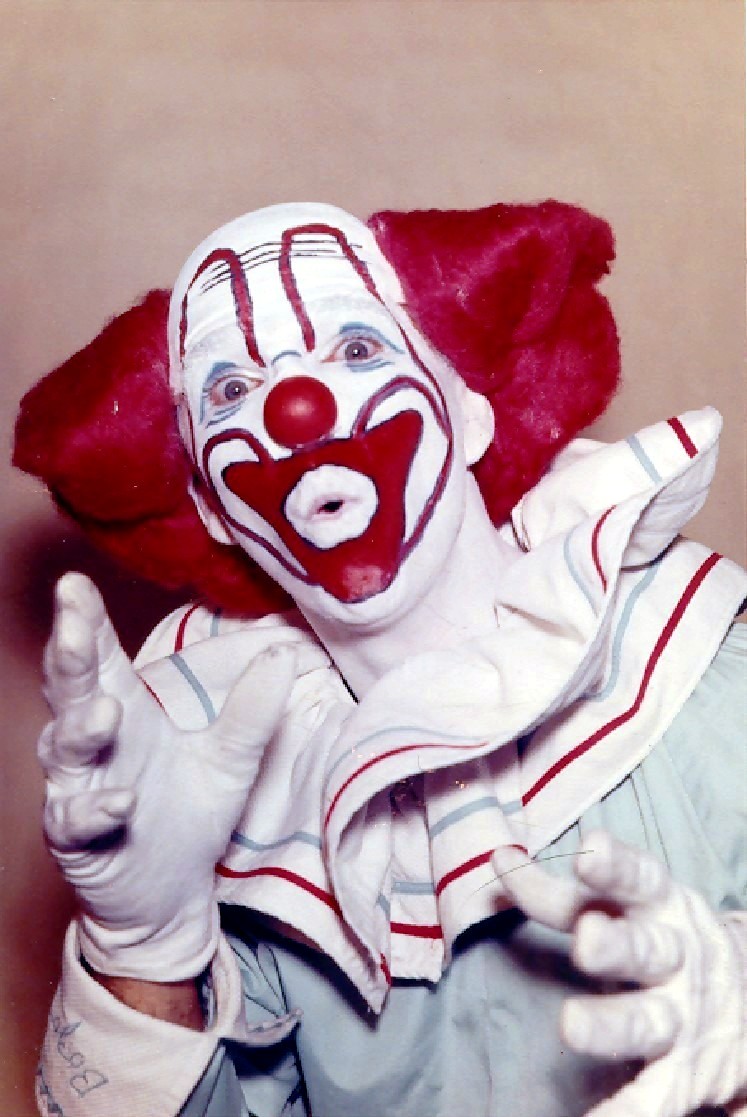

Nature and characteristics
In the novel It is presented as an ancient, extradimensional being with a range of powers. It commonly adopts shapes that exploit a victim’s deepest fears; among these, the clown persona Pennywise is the most iconic. Other manifestations in the story include animals, monsters from folklore and personal hallucinations specific to each character. It is described as feeding on fear as well as on flesh, growing stronger when its victims are terrified.
Forms and abilities
- Shapeshifting: It assumes forms tailored to victims’ phobias and memories.
- Illusion and mind influence: It induces hallucinations and manipulates perception to isolate children and evade adults.
- Longevity and cyclical activity: The creature reappears periodically in Derry and is linked to the town’s recurring tragedies.
- Other manifestations: The novel references a mysterious, hypnotic presence often called the "Deadlights," a term used for a part of It’s true nature that induces madness or paralysis in those who behold it.
Role in the novel
It functions as both an external threat and a symbolic embodiment of Derry’s historical violence and communal neglect. The central group of protagonists, known as the Losers' Club, confronts It as children and again as adults when the cycle resumes. The story interweaves childhood and adult perspectives, using the creature to examine how repressed memories and unresolved trauma affect individuals and communities. Encounters with It require acts of courage, imagination, and cooperation; the narrative frames the battle as psychological and, in part, metaphysical.
Adaptations and portrayals
It has been adapted multiple times for screen. The 1990 television miniseries featured Tim Curry in the role of Pennywise; Curry's performance emphasized capricious menace and theatricality and left a lasting impression on popular culture. The modern feature-film adaptations released in 2017 and 2019 cast Bill Skarsgård as Pennywise, presenting a version that foregrounded unsettling physicality, vocal effects, and contemporary horror cinematography. Each adaptation highlights different facets of the character, with television limitations and film special effects shaping portrayals.
Themes and interpretations
Readers and critics commonly read It as a novel about childhood, memory, and how communities suppress or enable evil. The creature’s ability to remain unnoticed by most adults in Derry is frequently interpreted as metaphorical: the town’s collective blindness to systemic harm, neglect, and repeated tragedies. The story also explores how friendships forged in childhood can become the means through which trauma is acknowledged and healed. Interpretations range from supernatural-horror readings to psychological and sociocultural analyses.
Cultural impact
Pennywise has become one of the most recognizable figures in modern horror. The character contributed to renewed public attention on the unsettling potential of the clown archetype and has appeared in popular discourse, Halloween imagery, merchandising, fan art, and academic discussions of fear and representation. Instances of real-world clown sightings and moral panics in the 21st century have sometimes been discussed in relation to the cultural resonance of terrifying clown figures, though such phenomena have complex causes beyond any single fictional source.
Notable distinctions and facts
Unlike many horror antagonists driven by simple motives, It operates on ambiguous, often symbolic terms: part predator, part cosmic force, and part reflection of communal rot. Its precise origins and nature are left intentionally mysterious in the novel, producing multiple valid readings. The story’s resolution involves both imaginative confrontation and symbolic rituals, underscoring King’s interest in the intersections between belief, memory, and bravery.
Further reading and sources
- Overview of Pennywise and character summaries
- Stephen King: author and themes
- It (novel): publication and plot details
- Demonic and supernatural readings
- Supernatural elements and the Deadlights
- Accounts of the creature's crimes within the story
- Children as central victims and narrative focus
- Derry, Maine: the fictional setting and its history
- The motif of adults' blindness in the novel
- King's commentary on clowns and fear
- Tim Curry's portrayal of Pennywise
- Details of the 1990 television adaptation
- Bill Skarsgård's approach in the films
- 2017 and 2019 film adaptations: production and reception
The figure of It remains influential in horror fiction because it combines visceral fright with symbolic depth. Readers encountering the novel or its adaptations will find a work that mixes childhood memory, mythic horror, and small-town realism in ways that continue to provoke discussion and reinterpretation.
Related articles
Author
AlegsaOnline.com It (Pennywise) — Stephen King's supernatural antagonist Leandro Alegsa
URL: https://en.alegsaonline.com/art/48564
Sources
- books.google.com : Bad Clowns
- books.google.com : Respecting The Stand: A Critical Analysis of Stephen King's Apocalyptic Novel