
Israel Standard Time (IST)
Israel Standard Time (IST) is the civil time zone used in Israel during the winter months (UTC+02:00); in summer the country observes Israel Daylight Time (IDT, UTC+03:00).
Overview
Israel Standard Time (commonly abbreviated IST) is the time zone used in the State of Israel during the non-daylight-saving portion of the year. It is two hours ahead of Coordinated Universal Time (UTC+02:00). During the warmer months Israel advances clocks by one hour to observe Israel Daylight Time (IDT), aligning local time with longer daylight hours.
Image gallery
1 Image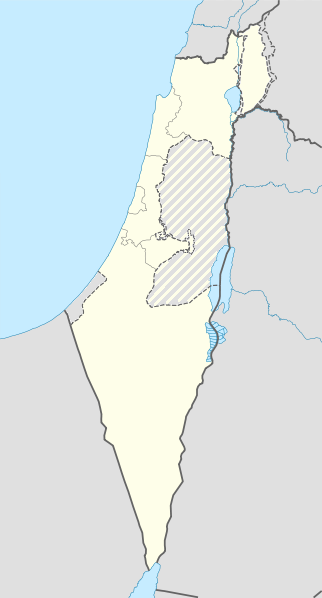
Characteristics
IST sets the standard civil clock for daily life, commerce and government services across Israel. The change to daylight time is implemented by moving clocks forward one hour, and the return to IST moves them back one hour. Practical effects include shifts in business hours, public transport schedules and prayer times.
History and regulation
The precise rules for when Israel switches between IST and IDT have changed over time and are established by Israeli authorities. Religious, economic and energy considerations have all influenced those decisions. Because rules can be amended by law or government decree, dates for transitions may vary from year to year.
Practical examples and relations
- Noon UTC corresponds to 14:00 under IST and to 15:00 under IDT.
- IST shares the same UTC offset as several Eastern Mediterranean and Eastern European zones, but start and end dates for daylight saving can differ by country; comparisons are used for international scheduling and travel.
Notable distinctions
The abbreviation IST can also refer to other time zones in different countries, so it is important to clarify time zone context when coordinating across borders. For information about the state where this zone applies, see Israel. For discussion of the concept itself, consult general resources on winter time and on daylight saving time.
Because legislation and custom guide timekeeping, users should check official notices or reliable time services before planning events around DST transitions.
Related articles
Author
AlegsaOnline.com Israel Standard Time (IST) Leandro Alegsa
URL: https://en.alegsaonline.com/art/48508
Sources
- timeanddate.com : "IST – Israel Standard Time (Standard Time)"
- timeanddate.com : "Current Local Time in Jerusalem, Israel"