
Irredentism: political claims, causes, and consequences
Irredentism is a political movement or doctrine advocating that a state or people reclaim and incorporate territory held by another state, often on grounds of ethnicity, history, or perceived injustice.
Overview
Irredentism refers to the political claim by a state or a population within a state to annex territory controlled by another state. These claims are typically justified by asserting shared ethnicity, historical ties, cultural connections, or the need to "liberate" co‑national populations. Irredentist rhetoric places emphasis on restoring what supporters regard as an integral national territory.
Image gallery
6 Images



Typical characteristics
Irredentist movements often combine nationalist sentiment with territorial aims. Common features include appeals to history, reference to ethnic or linguistic kinship across a border, mobilization of diasporas, and political campaigns that frame the disputed land as morally or legally belonging to the claimant. Tactics range from diplomatic pressure and propaganda to support for local separatists or, in extreme cases, military intervention.
Common justifications and tactics
- Ethnic kinship: arguing that a population on the other side of a border is part of the same nation.
- Historical claims: pointing to past sovereignty or historical presence as a basis for reclamation.
- Protection narratives: framing intervention as necessary to protect co‑nationals from discrimination or violence.
- Diplomatic and coercive tools: ranging from negotiation and irredentist legislation to covert support for unrest or outright annexation.
Origins and historical development
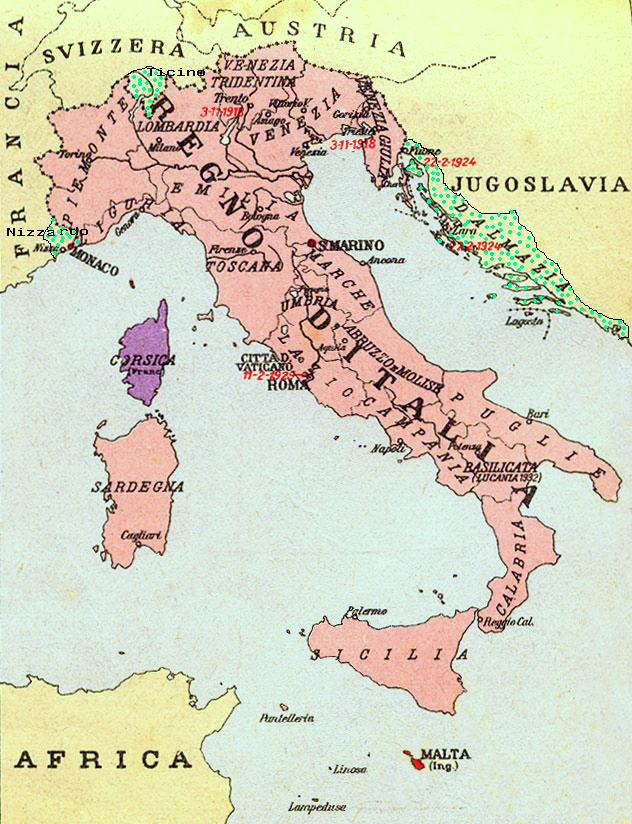
The modern term emerged in the late nineteenth century in the context of European nation‑building. It was coined as newly unified states sought to incorporate populations of their language or culture who remained under foreign rule—an early example being Italian claims after unification left Italian‑speaking communities outside the new state. Historians often point to nineteenth‑ and twentieth‑century Europe as the formative context for how the concept entered diplomatic and popular discourse; specific cases were debated widely in the decades surrounding World War I and II. For one early example tied to that period, see discussions of territories ruled by Austria‑Hungary.
Consequences and contemporary relevance
Irredentist claims can reshape borders peacefully through diplomacy or referendums, but they more frequently raise tensions and risk armed conflict. Such claims intersect with international law principles of sovereignty and territorial integrity, and unilateral annexations are often condemned or lead to sanctions. Analysts have applied the term to a range of modern disputes and some post‑Cold War territorial changes where ethnicity and historical claims figured prominently.
Distinctions and critical considerations
Irredentism differs from secession: irredentism asserts that territory belongs to another polity and seeks incorporation, while secession involves a subunit seeking independence. It is also related to but not identical with revanchism, which emphasizes revenge for past defeat. The label 'irredentist' is sometimes used polemically, so careful analysis of motives, legal claims, and local consent is required when describing specific cases. Scholars and policymakers therefore weigh historical claims, demographic realities, and the norms of international order when assessing such movements.
For background on related concepts like annexation and territorial dispute, see further reading and legal analyses at relevant sources.
Author
AlegsaOnline.com Irredentism: political claims, causes, and consequences Leandro Alegsa
URL: https://en.alegsaonline.com/art/48254