
Iris Chang: American writer, journalist, and public historian
Iris Chang (1968–2004) was an American author and journalist whose books — notably The Rape of Nanking — brought attention to under‑recognized episodes of 20th‑century history and sparked public debate.
Overview
Iris Shun‑Ru Chang (March 28, 1968 – November 9, 2004) was an American writer and journalist known for narrative non‑fiction that combined archival research, eyewitness testimony and advocacy. Her work reached a broad readership and helped place painful historical events into public conversation beyond academic circles.
Image gallery
3 Images

Early life and background
Chang was born in Princeton, New Jersey and grew up in Illinois. She was the daughter of Chinese immigrants and drew on family and community stories as a motivating force in her interest in modern Chinese and Chinese‑American history. Details of her schooling are less often emphasized than the subject matter that came to define her career.
Major works and themes
Chang wrote several books that reached mainstream audiences. Her titles include:
- Thread of the Silkworm — a book that explored scientific and political history in China.
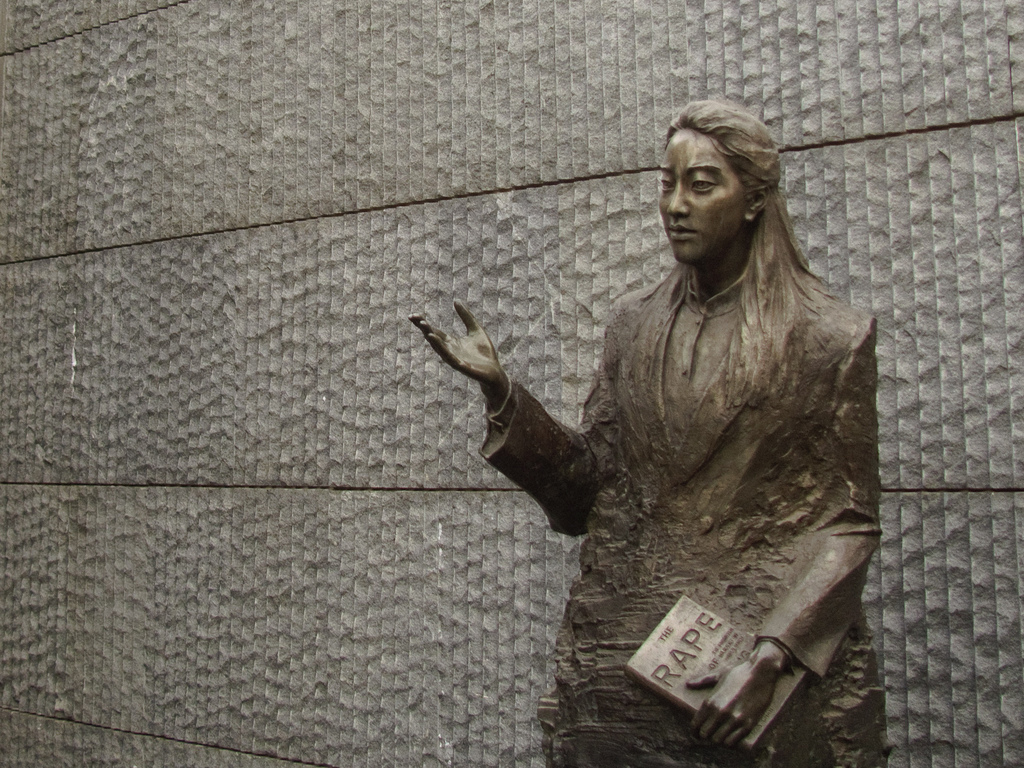
- The Rape of Nanking — an account that brought renewed attention in the West to the Nanjing Massacre and its survivors.
- The Chinese of America — a broader narrative of Chinese‑American history and experience.
Across these works Chang used personal testimony, archival sources and reporting techniques to make complex historical topics accessible. Her narratives emphasized the human consequences of large political events and aimed to memorialize victims whose stories she believed had been overlooked.
Reception and impact
Chang's books reached wide audiences and contributed to public awareness, school curricula and museum exhibitions about the events she described. Her work provoked strong reactions: many praised her for rescuing neglected histories and amplifying survivors' voices, while some scholars questioned aspects of her sourcing or interpretation. That mix of acclaim and critique is typical for works that bridge popular writing and academic history.
Later life, death and legacy
In her later years Chang lived in San Jose, California. On November 9, 2004 she died by suicide. Reports at the time noted she had struggled with depression. Her death prompted renewed attention to her books and to the subjects she had championed, and it also sparked conversations about the pressures faced by public intellectuals and the importance of mental‑health support.
Today Chang is remembered both for the particular topics she made widely visible and for the powerful, narrative style she brought to historical reporting. Her work continues to be read by general audiences and cited in discussions about how popular books can influence public memory and historical debate.
Related articles
Author
AlegsaOnline.com Iris Chang: American writer, journalist, and public historian Leandro Alegsa
URL: https://en.alegsaonline.com/art/48156