
iPhone 4: design, features, controversy and legacy
The iPhone 4 is Apple's 2010 smartphone notable for its Retina display, front-facing camera and new glass-and-steel design; it introduced FaceTime and drew attention for an antenna reception issue.
Overview
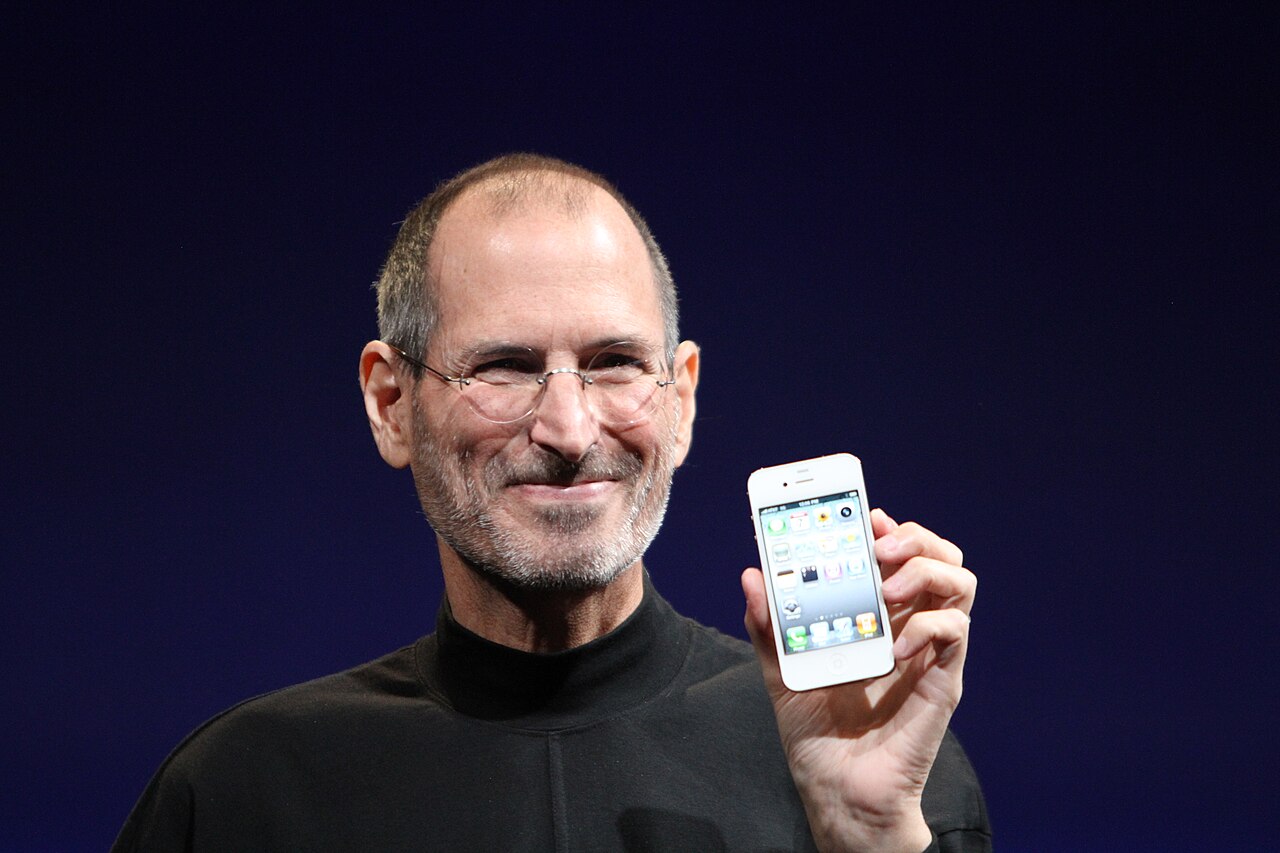
The iPhone 4, introduced by Apple and released in June 2010, represented a marked redesign of the iPhone line. It combined a slimmer profile and new materials with updated internal hardware and software features. The device is widely remembered for introducing a high-resolution "Retina" display and a front-facing camera that enabled consumer video calling.
Image gallery
9 Images



Design and display
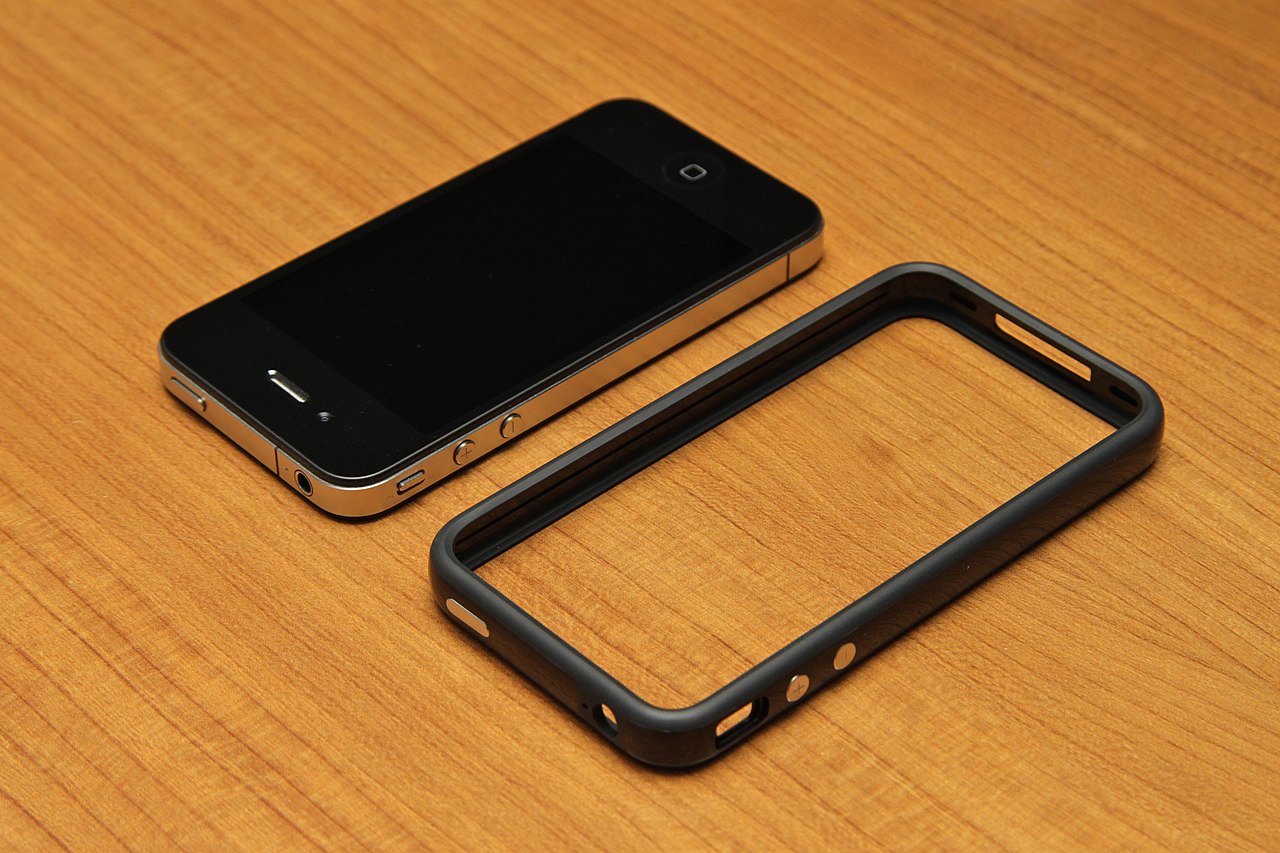
Apple moved away from the curved plastic body of earlier models to a flat, stainless-steel band surrounding glass panels on the front and back. The handset's LCD offered a higher pixel density than previous iPhones, producing sharper text and images at typical viewing distances. The new external frame also functioned as part of the device's antenna system, a departure from prior designs.
Hardware, camera and software
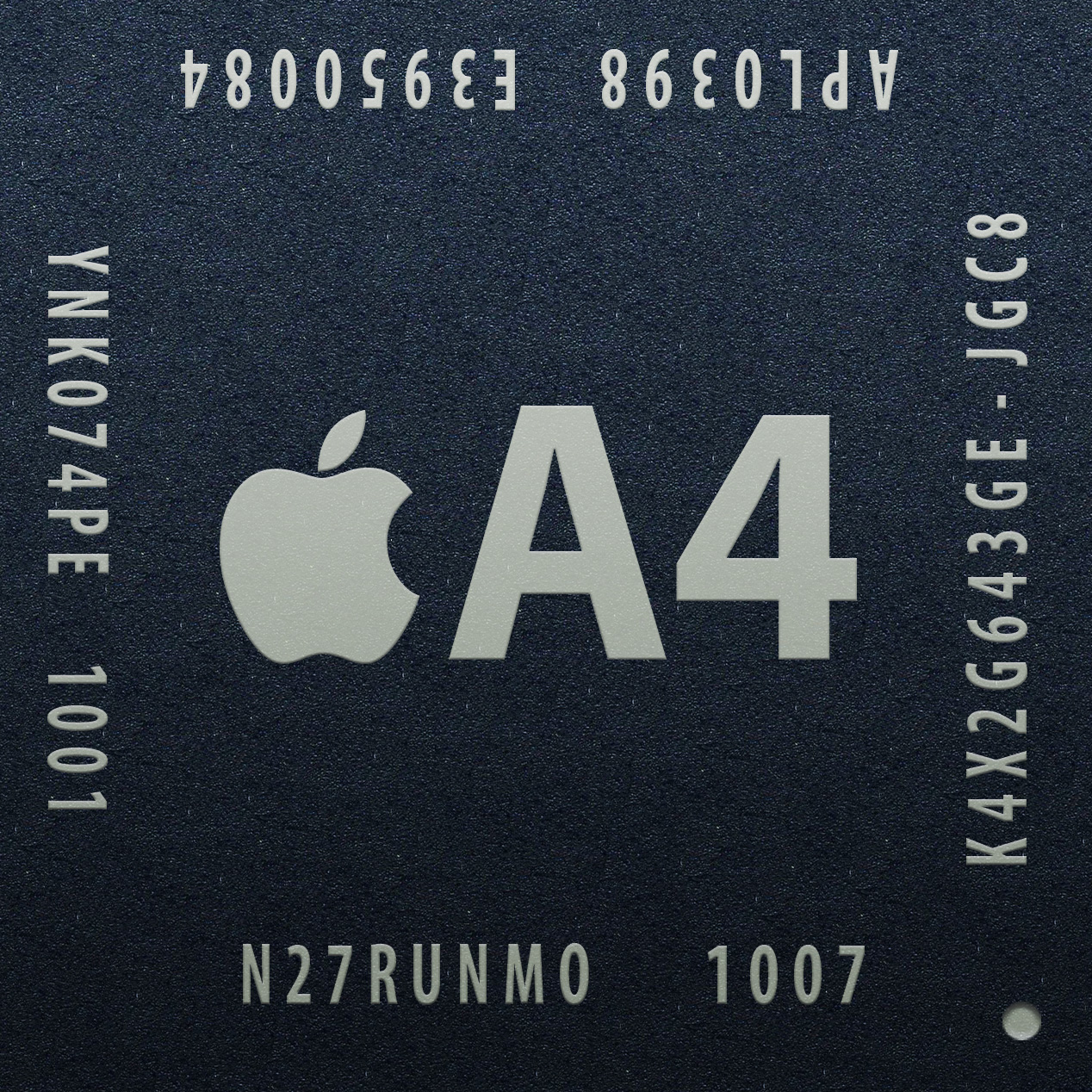
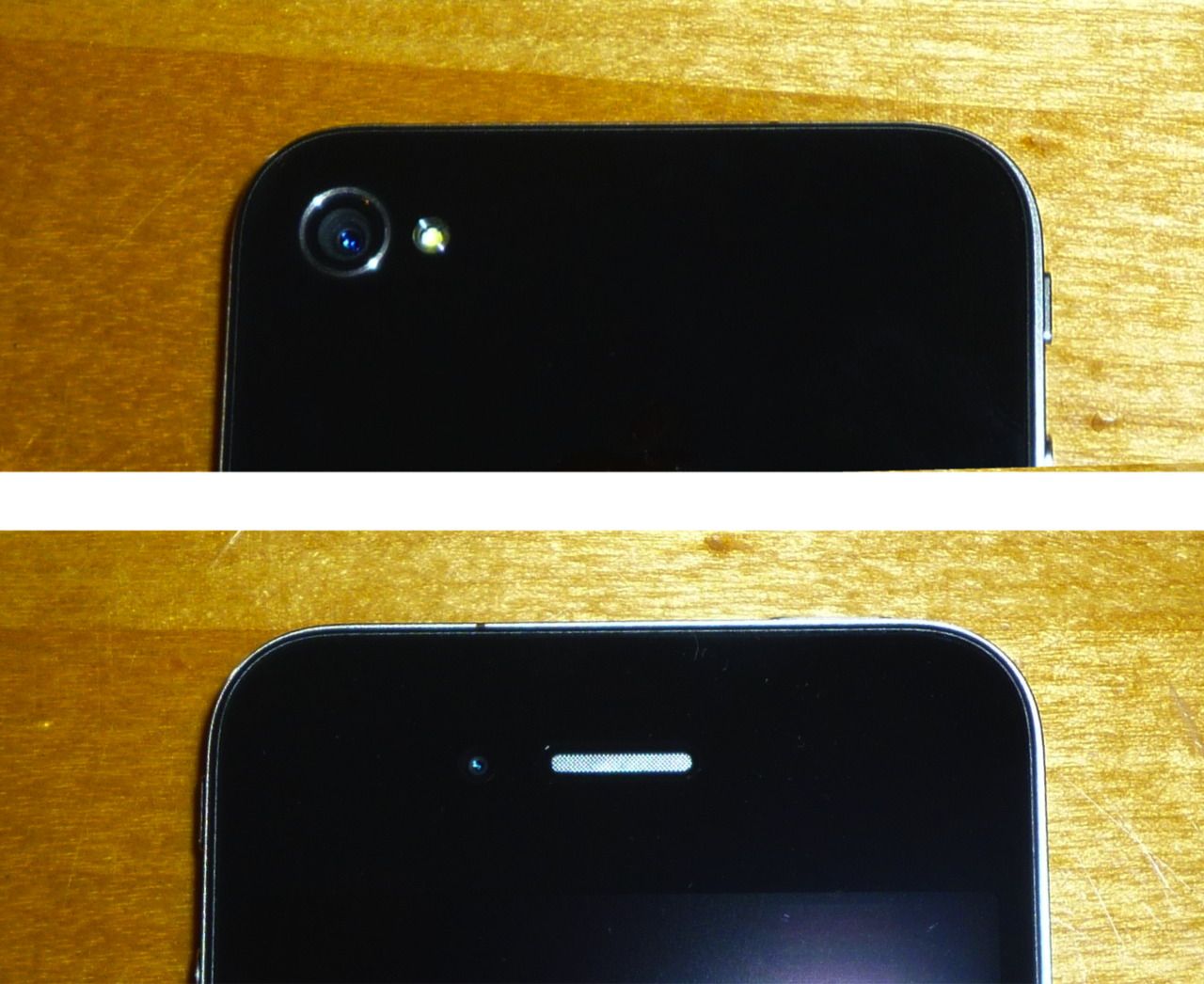
Internally, the iPhone 4 used a newer system-on-chip and ran iOS 4, which brought refinements such as multitasking for third‑party apps and other platform features. It was the first iPhone with a front-facing camera paired with a rear-facing camera capable of higher-resolution photos and video. Apple introduced FaceTime video calling as a headline feature tied to the front-facing camera and the updated operating system.
Antenna controversy and Apple response
Shortly after launch, users and reviewers reported that holding the phone in certain ways could reduce measured cellular signal strength. Media coverage and customer complaints focused on how the external metal band could affect reception. Apple publicly addressed the issue, demonstrated grip techniques, released a software update to adjust how signal bars were displayed, and offered free bumper cases for a period. The episode became known in popular media as a significant, high-profile product controversy.
Reception, impact and legacy
Critics praised the iPhone 4 for its industrial design, display clarity and camera improvements, while noting the reception concerns. The model helped establish features that would become standard across later smartphones, including front-facing cameras for video calling and much higher display pixel density. It influenced both Apple's own subsequent designs and competitors' approaches to screen resolution and industrial materials.
Key characteristics
- Release: June 2010; launched with iOS 4.
- Distinctive glass-and-steel exterior and high-density "Retina" display.
- Front-facing camera enabling FaceTime video calls.
- Subject to reception complaints related to the external antenna design; Apple offered customer remedies and guidance.
- See the device overview at official product information for further details.
Related articles
Author
AlegsaOnline.com iPhone 4: design, features, controversy and legacy Leandro Alegsa
URL: https://en.alegsaonline.com/art/48040
Sources
- arstechnica.com : "Sizing up the iPhone 4 for shutterbugs"