
iPad (3rd generation)
The third-generation iPad, marketed as “The new iPad” and often called iPad 3, is Apple’s 2012 tablet that introduced a Retina display, an A5X chip, improved camera and North American LTE support.
The third-generation iPad, sold by Apple as "The new iPad" and commonly referred to as the iPad 3, is a tablet computer released in 2012. It continued Apple’s line of iPad devices while introducing a high-resolution Retina display and upgraded internal components. The model expanded the iPad’s capabilities for media, graphics and cellular data connectivity and was part of Apple’s mainstream tablet offerings available through its retail channels and partners (Apple, product pages and support sites).
Image gallery
4 Images

Key characteristics
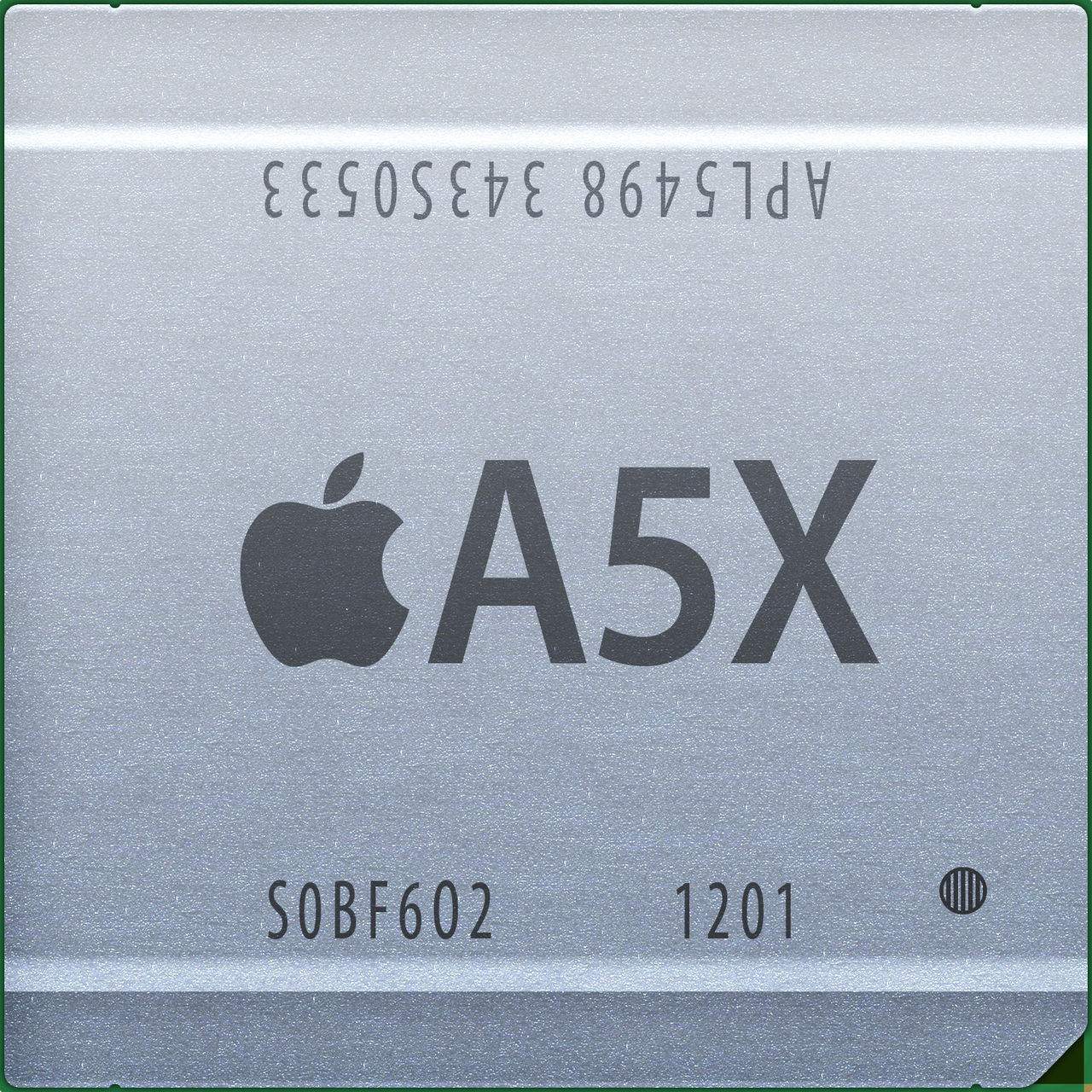
Compared with its predecessor, the iPad 3 focused on visual fidelity and graphics performance. Its most notable hardware changes included a high-resolution Retina display with a much higher pixel density than earlier iPads, a custom Apple A5X system-on-chip designed with enhanced graphics performance, an improved rear camera able to capture higher-resolution still images and 1080p video, and models offering LTE cellular radios for faster mobile data in select regions. At launch it ran iOS and supported the same accessory ecosystem as previous iPads.
Typical hardware and software features
- Retina multi-touch display with a substantially increased pixel count for sharper text and images.
- Apple A5X processor optimized for graphics rendering in high-resolution displays.
- Rear camera capable of still photography and 1080p video recording.
- Wi‑Fi and optional cellular models; LTE-capable variants were offered for North American carriers.
- Compatibility with iPad apps, accessories and the App Store ecosystem.
Release and reception
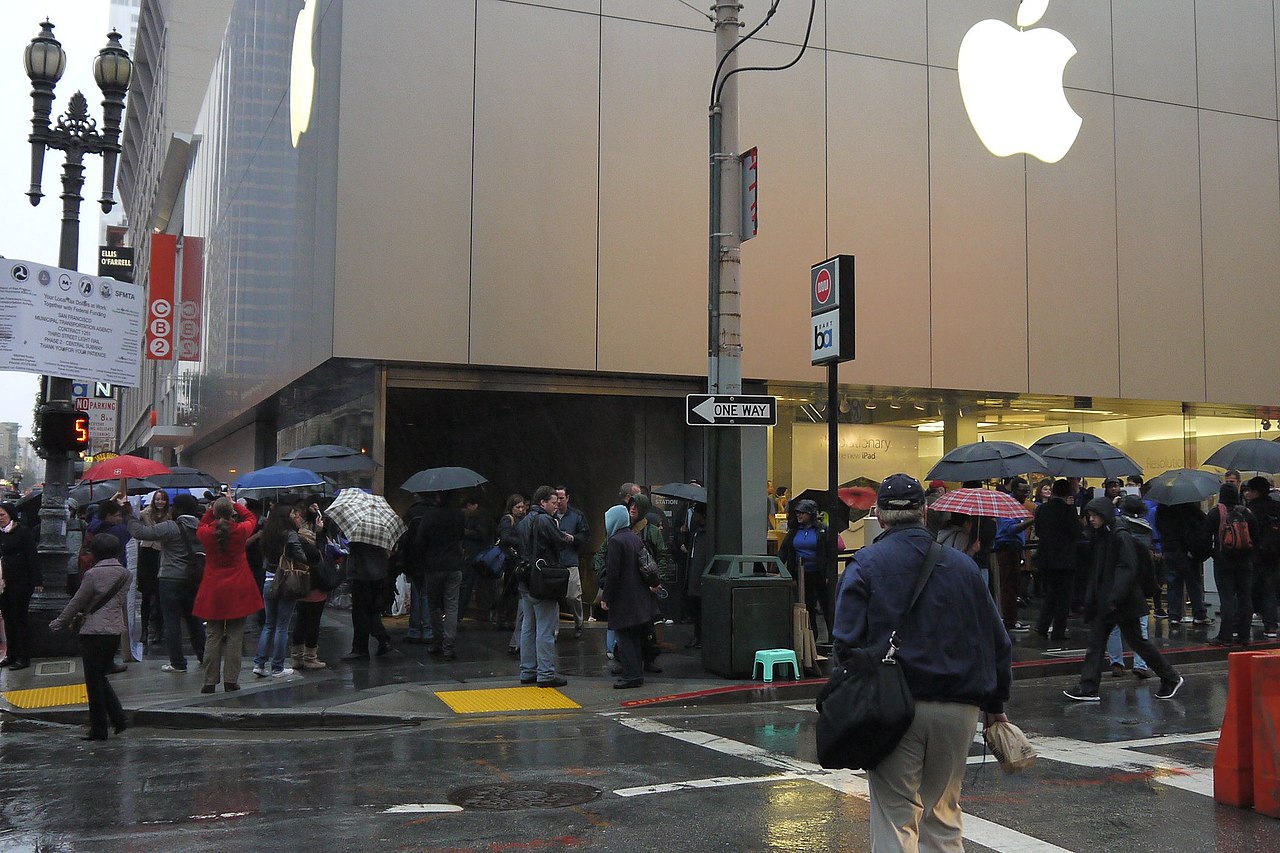
Announced in early 2012, the device was positioned between the iPad 2 and subsequent iPad models. Reviewers praised the display’s clarity and the improved multimedia experience, while some commentary noted increased weight and battery demands associated with the higher-resolution screen and cellular use. The product name "The new iPad" generated some public and media discussion because of its departure from numeric naming conventions.
Importance and legacy
The third-generation iPad marked Apple’s first mainstream move to what the company defined as a Retina-class tablet screen and underscored a focus on content consumption, graphics performance and mobile broadband. Its display standard influenced later tablets and mobile devices. Over time it was succeeded by later models that refined size, performance and power efficiency, but it remains a noteworthy step in the iPad lineup for introducing high-resolution touch displays and mainstream LTE support in Apple’s tablets (product category and related resources).
For users comparing models, the main distinctions to consider are display resolution, graphics performance and whether the device supports LTE cellular networks. The iPad 3 is most relevant today as a historical milestone in tablet displays and mobile multimedia rather than as a current flagship device.
Related articles
Author
AlegsaOnline.com iPad (3rd generation) Leandro Alegsa
URL: https://en.alegsaonline.com/art/48021
Sources
- ifixit.com : "iFixit iPad 3 teardown – Page 2"
- appadvice.com : "Let's talk iPad Names – iPad 3, iPad 2S, or iPad HD?"