
Antony and Cleopatra — Shakespeare's tragic drama of love and power
A concise overview of Shakespeare's Antony and Cleopatra: origins, structure, major themes, historical sources, performance history, and lasting cultural significance.
Overview
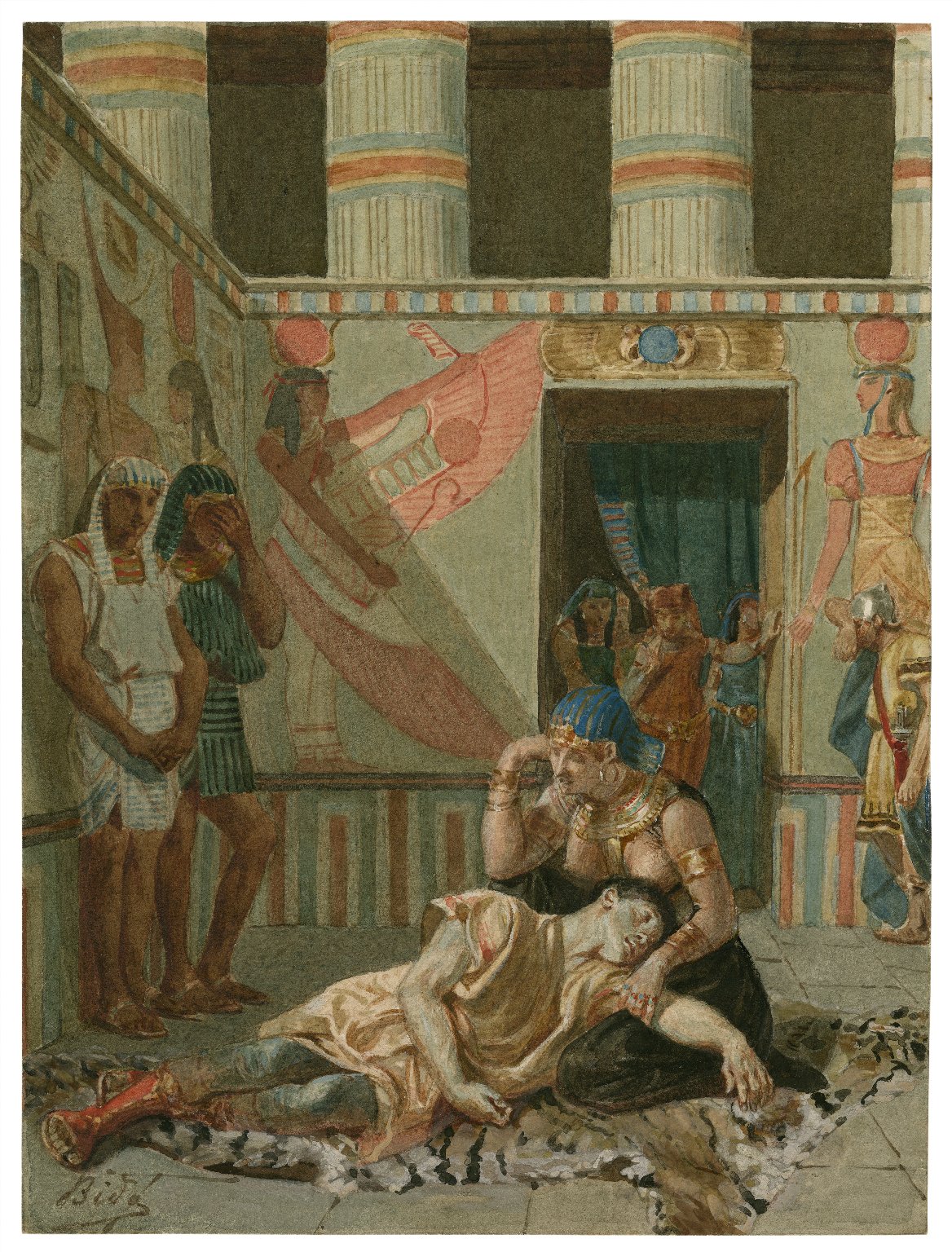
Antony and Cleopatra is a tragedy by William Shakespeare that dramatizes the final years of the Roman triumvir Mark Antony and his relationship with Cleopatra VII, the queen of Egypt. Likely written and first staged in the early 17th century, the play blends grand politics and intimate passion as it follows Antony's divided loyalties between Rome and Alexandria and culminates in the deaths of the lovers.
Image gallery
10 Images



Sources and historical background
Shakespeare drew much of the historical framework from classical histories, most notably Plutarch's Lives, which provided narratives of Roman figures and events. The action is set against the real political transformation that led from the Roman Republic to the Roman Empire, with Octavian (the future Augustus) as Antony's chief rival. The play compresses and reshapes historical episodes for dramatic effect rather than offering a strictly factual account.
Structure, characters, and scenes
The play alternates between scenes of public politics and private encounters, shifting rapidly between Rome and Egypt. Principal characters include:
- Mark Antony — a Roman commander torn between duty and desire; Antony is central to the drama.
- Cleopatra — the charismatic and politically astute queen of Egypt.
- Octavian/Augustus — Antony's rival and the emergent leader of Rome.
- Supporting figures such as Enobarbus, Lepidus, and Charmian, whose loyalties and judgments shape the story.
Scenes range from council chambers and battlefields to intimate chambers in Alexandria, and Shakespeare mixes poetry and rhetoric with moments of raw emotion.
Themes, style, and notable episodes
Major themes include the collision of private love and public duty, cultural contrasts between East and West, the nature of political ambition, and the performative aspects of identity. Shakespeare's language alternates declamatory speeches that register political rivalry with lyrical passages that explore erotic and psychological intensity. The narrative arc ends in the well-known double catastrophe: Antony's defeat and the lovers' deaths — including Cleopatra's final act — often referred to in summaries as the play's fatal suicides.
Performance history and adaptations
First printed in the First Folio of 1623, the play has undergone many theatrical interpretations. Directors and actors have emphasized its large-scale political spectacle, its intimate tragic core, or the exoticized portrait of Cleopatra. It has inspired adaptations in opera, film, and modern theatre and remains a frequent subject of critical essays and stage revivals.
Significance and distinctions
Antony and Cleopatra stands out among Shakespeare's Roman plays for its focus on emotional ambivalence and cultural encounter rather than solely on statecraft. Critics often highlight Cleopatra as one of Shakespeare's most complex female characters, at once sovereign, lover, and theatrical persona. The play's mixture of epic sweep and personal crisis continues to invite varied readings about empire, gender, and the cost of divided allegiance. For further reading on themes and productions, consult general introductions and annotated editions linked below.
Romantic love and dramatic spectacle, as well as scholarly editions and performance archives, offer multiple entry points to explore this rich work. For concise scene summaries, notable productions, and commentary, see referenced resources and collections that compile historical and modern perspectives.
Related articles
Author
AlegsaOnline.com Antony and Cleopatra — Shakespeare's tragic drama of love and power Leandro Alegsa
URL: https://en.alegsaonline.com/art/4783
Sources
- william-shakespeare.info : Antony and Cleopatra