
Internet café
A public venue offering paid Internet access alongside food and drink; used for browsing, gaming, study, and communication. Covers services, history, security risks, variants, and practical tips.
Overview
An Internet café, sometimes called a cybercafé, is a commercial establishment that makes Internet access available to the public, usually for a fee, while also selling refreshments. These venues combine the social and refreshment functions of a traditional café with workstations, networking equipment and connectivity so customers can browse the web, check email, make calls, play online games, or print documents.
Image gallery
10 Images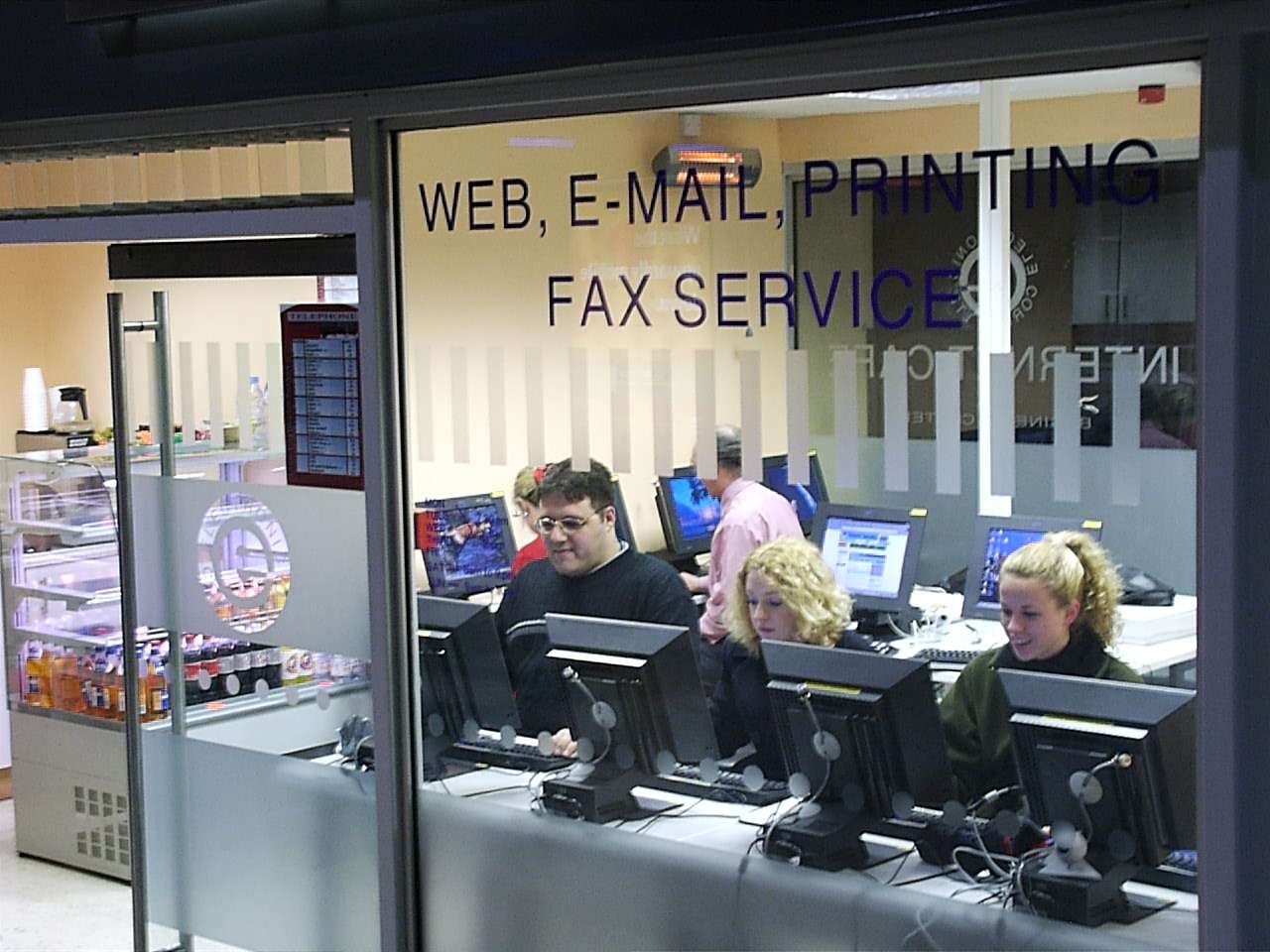




Typical services and layout
Most Internet cafés provide a collection of desktop computers or dedicated terminals arranged for short-term use. Many also offer wireless access so patrons can use their own laptops or mobile devices. Common services include:
- Hourly or session-based Internet access and timecards or prepaid accounts.
- Food and beverages similar to a coffee shop.
- Peripherals such as printers, scanners, webcams and telephones; some cafés provide local or international calling services via telephone.
- Technical support for basic tasks and often a staffed counter to manage sessions and payments.
History and development
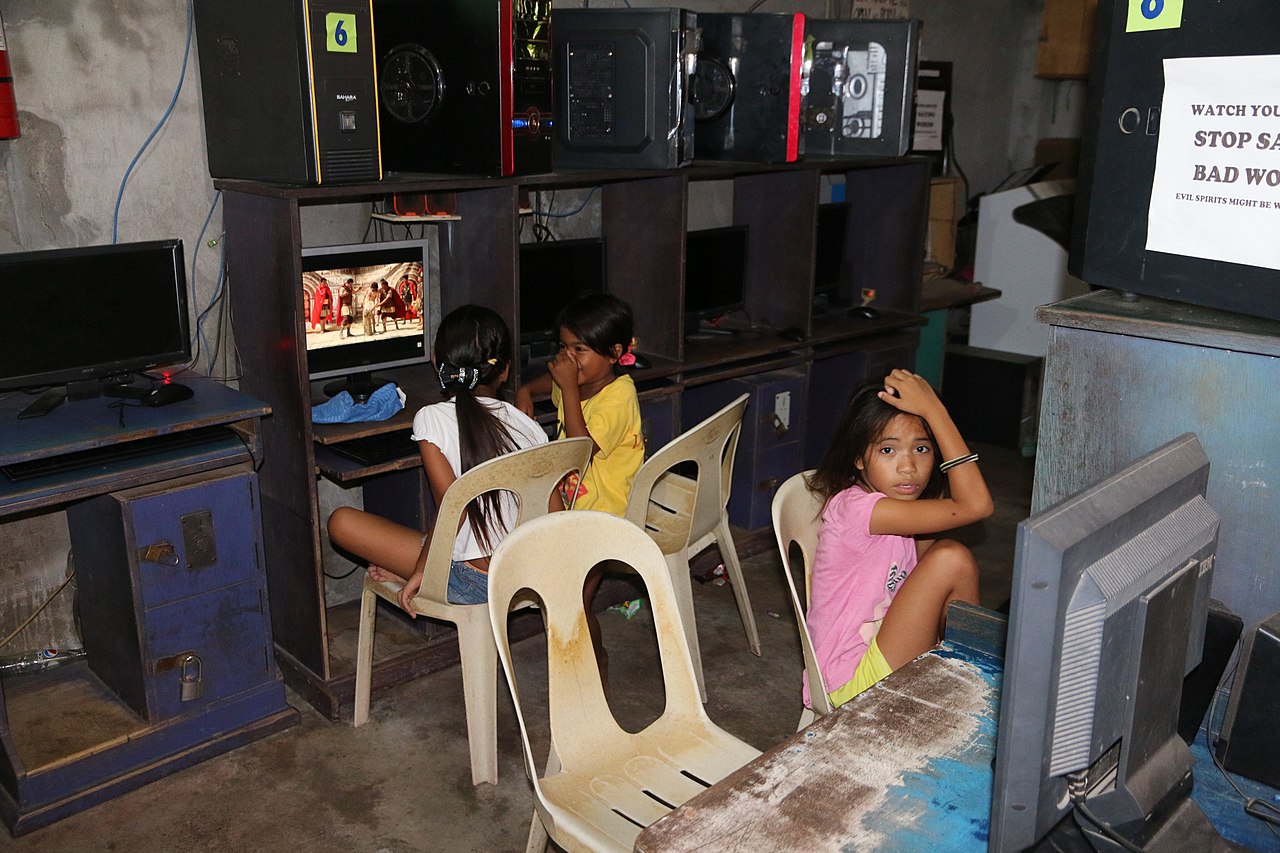
Internet cafés emerged in the 1990s as public demand for online access grew faster than home penetration of personal computers and broadband. Early cybercafés served as community access points where people without personal Internet connections could go online. Over time, the model diversified: some cafés focused on fast, casual browsing; others evolved into gaming centers with high-performance hardware for multiplayer play.
Uses and cultural role
These venues have served multiple social and practical functions. They have been vital for travelers and tourists needing short-term connection, students and jobseekers researching opportunities, and communities where home Internet is unaffordable or unavailable. In many cities the café environment also supports informal collaboration, small business tasks and digital literacy training.
Security, privacy and legal considerations
Public networks and shared terminals carry more risk than private home systems. Users should be aware of reduced protections on public wireless hotspots and shared machines. Common concerns include eavesdropping on unencrypted traffic, unauthorized software or malware on public PCs, and keylogging or other methods that can capture credentials. For safer use, people are advised to avoid financial transactions on public terminals, use privacy screens or private booths where available, and consider tools that increase privacy such as a personal VPN or browser private modes. Many operators post acceptable-use rules and may be subject to local regulations governing identity checks, operating hours or content filtering.
Variants and distinctions
Not all places that offer Internet are traditional Internet cafés. Free or donation-based Wi‑Fi in coffee shops differs from pay-per-hour cybercafés; gaming cafés or LAN centers focus on performance and multiplayer experiences; and community access centers may have an educational mission. Wireless hotspots in public venues provide connectivity but usually lack the staffed terminals and printing services found in a full Internet café. When choosing where to connect, distinguish between an open hotspot (Wi‑Fi) and a managed terminal environment, and be mindful that public networks generally offer less protection than private or corporate networks (public networks vs private networks).
Related articles
Author
AlegsaOnline.com Internet café Leandro Alegsa
URL: https://en.alegsaonline.com/art/47710