
Interborough Rapid Transit Company (IRT) — history and legacy
The Interborough Rapid Transit Company operated New York City's first underground subway line (1904–1940). Overview of its origins, routes, equipment, conversion to the IRT/A Division and lasting impacts.
The Interborough Rapid Transit Company (IRT) was the private operator that opened the first underground subway in New York City in 1904 and developed an extensive rapid transit network across Manhattan, the Bronx and parts of Brooklyn and Queens. Established in the late 19th and early 20th centuries by entrepreneurs and contractors responding to a demand for faster urban travel, the IRT built and managed trunk lines and local services that formed the backbone of the modern numbered subway routes.
Image gallery
9 Images


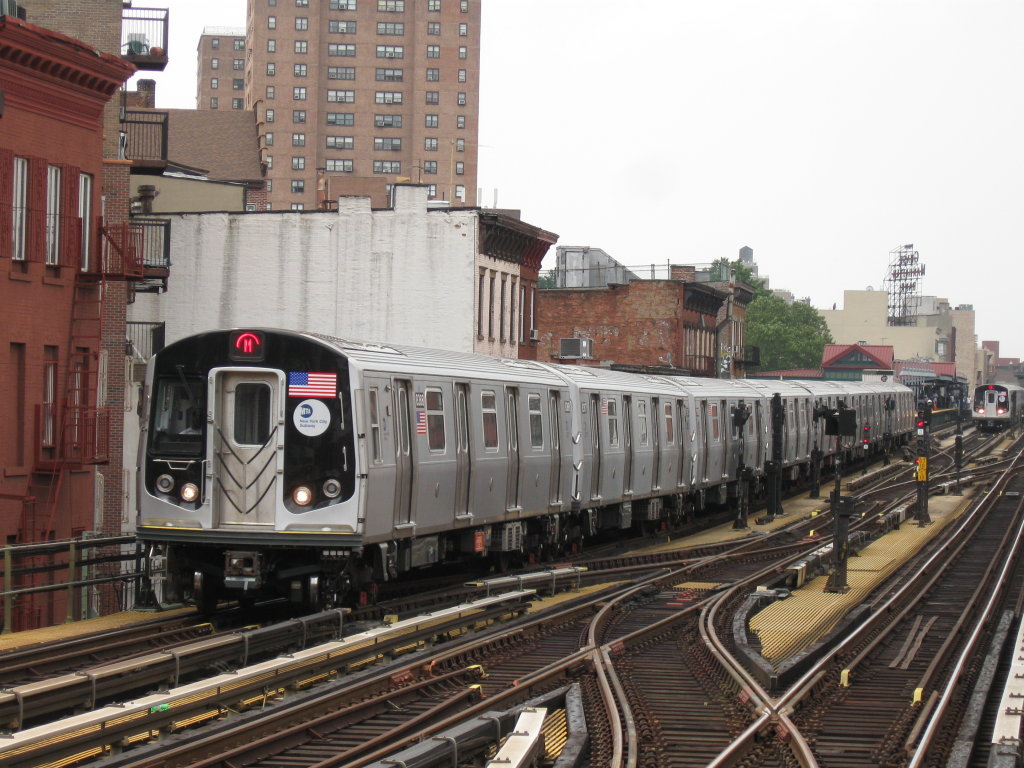


Origins and development
The IRT grew out of earlier urban and elevated rail efforts and consolidated a series of projects into a coordinated system. Its original City Hall–Broadway–Harlem trunk and the extensions that followed were engineered for frequent, high-capacity service. As the system expanded, the IRT negotiated franchises, built tunnels and stations, and introduced electrical multiple-unit trains that replaced many surface and elevated services. The company remained privately owned until the City of New York purchased it in June 1940 and integrated it into the municipal transit system.
Network, services and organization
Many of today’s numbered lines trace their roots to the IRT. The former IRT routes are now referred to as the A Division or IRT Division of the Metropolitan Transportation Authority. Major services that originated with or were operated by the IRT include:
- Line 1: Seventh Avenue local service.
- Lines 2 and 3: Seventh Avenue express services.
- Lines 4 and 5: Lexington Avenue express services.
- Line 6: Lexington Avenue local service.
- Line 7: Flushing local and express service, serving Queens.
- Line S: 42nd Street Shuttle between Times Square and Grand Central.
Infrastructure and equipment
IRT infrastructure is notable for its smaller-profile tunnels, narrower cars and shorter platforms compared with the later B Division (BMT/IND) lines. These dimensional differences reflect early design choices and persist today: IRT rolling stock and station geometry are not interchangeable with the wider B Division equipment. Over time, the IRT modernization programs replaced older wooden cars with steel equipment and upgraded signaling, but the original physical constraints shaped vehicle design for decades.
Legacy and significance
The IRT’s construction transformed urban mobility in New York, encouraging residential and commercial development along its corridors and enabling the city’s rapid growth in the 20th century. After municipal takeover, the former IRT network remained distinct within the unified system as the A Division, and many historic stations, engineering solutions and service patterns remain visible today. For further background on the original subway and related lines see early New York City subway history and sources on the city’s elevated and suburban rapid transit networks at predecessor railways and transit. Municipal acquisition and administrative transition are discussed in records linked at New York City transit archives.
Related articles
Author
AlegsaOnline.com Interborough Rapid Transit Company (IRT) — history and legacy Leandro Alegsa
URL: https://en.alegsaonline.com/art/47566