
Inland taipan (Oxyuranus microlepidotus)
A compact profile of the inland taipan, the most venomous snake by venom toxicity; covering appearance, behavior, habitat, diet, medical significance and distinctions within Australian snakes.
Overview
The inland taipan (Oxyuranus microlepidotus), also called the fierce snake or western taipan, is a highly venomous elapid native to the arid and semi-arid interior of Australia. It is widely regarded as the most venomous snake in the world by measures of venom toxicity. Despite this reputation, the species is typically secretive and avoids contact with people.
Image gallery
4 Images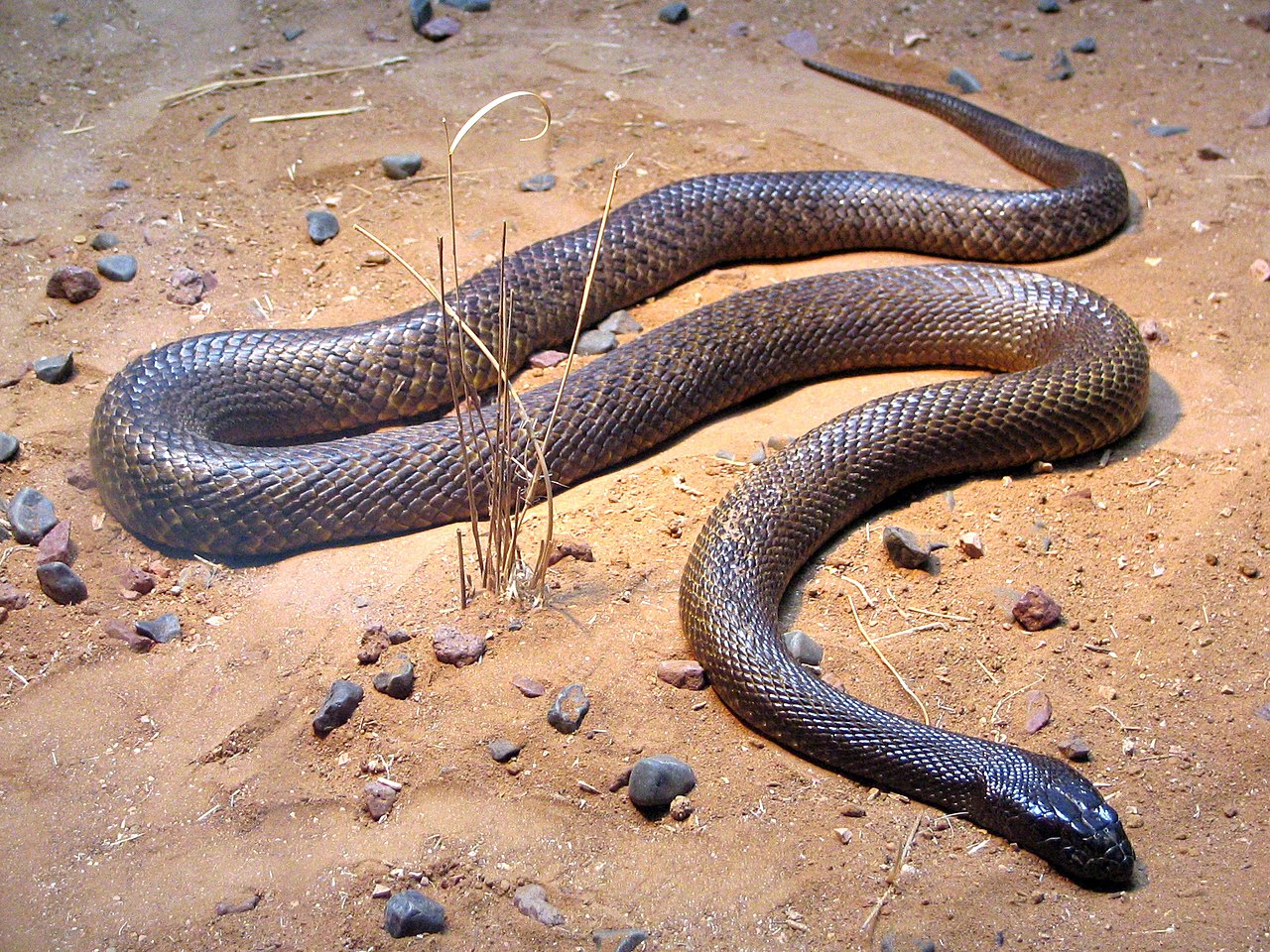

Characteristics
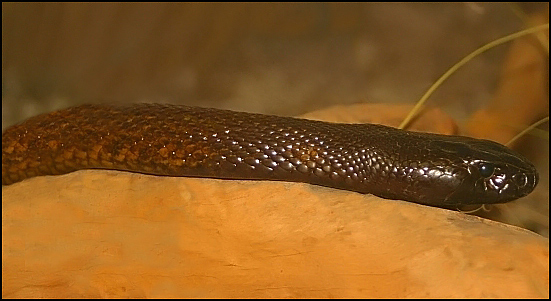
Adults are medium- to large-sized snakes with smooth scales and a slender, rapidly moving body. Coloration varies seasonally and geographically, often ranging from olive-brown to dark brown or even almost black, which can help with thermoregulation and camouflage in its dry habitat. Key biological traits include:
- Belongs to the family Elapidae, a group that includes cobras, coral snakes and other taipans.
- Oviparous reproduction—females lay eggs rather than giving live birth.
- Venom is extremely potent and specialized to immobilize and digest warm-blooded prey.
Habitat and behavior
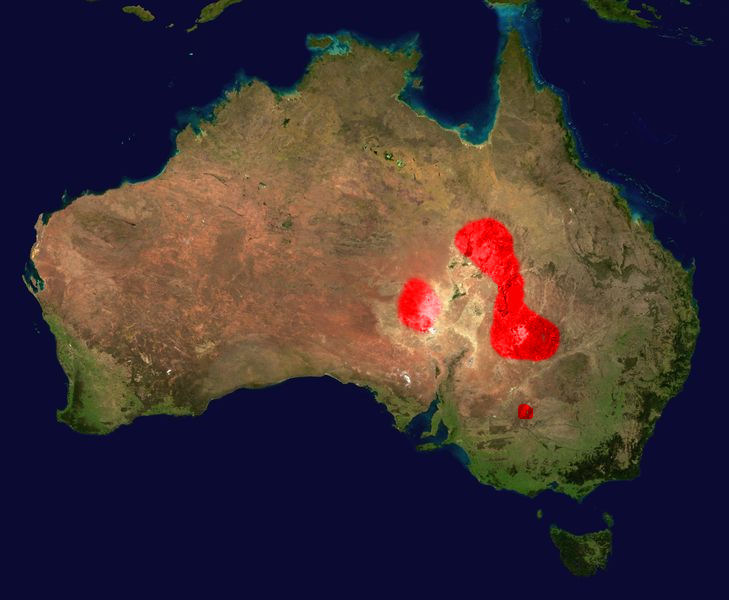
Inland taipans occupy remote regions of central and eastern Australia, where they favor clay plains, low rocky hills and cracking-soil environments that support rodent populations. Their behavior is generally reclusive: they shelter in deep burrows, crevices or abandoned mammal warrens and most often move or hide rather than confront potential threats. For more detailed natural history and range information see the species profile.
Diet and ecological role
The inland taipan feeds primarily on small mammals, especially native rodents and introduced species such as rats. Its highly effective venom allows it to subdue prey quickly, reducing the chance of injury to the snake. As a predator of rodents, it plays a part in regulating local small-mammal populations and contributes to the balance of its arid ecosystems.
Medical importance and research
Because of the extreme potency of its venom, the inland taipan has attracted considerable scientific interest. Clinical cases are rare due to the snake's remote range and shy disposition, but bites can cause life-threatening systemic effects if not treated promptly. Antivenom and prompt medical care substantially reduce the risk of fatality; antivenom development and emergency protocols are important components of envenomation management and toxin research.
Distinctions and notable facts
The inland taipan is often contrasted with more aggressive or commonly encountered venomous snakes: while some species are involved in more human incidents because of their proximity to people, the inland taipan is notable chiefly for venom lethality rather than aggression. Encounters with humans are infrequent, and education about avoidance and rapid medical response remains a key public-safety message. For broader context on Australian venomous reptiles consult resources on Australian reptiles.
Related articles
Author
AlegsaOnline.com Inland taipan (Oxyuranus microlepidotus) Leandro Alegsa
URL: https://en.alegsaonline.com/art/47383
Sources
- inchem.org : Oxyuranus microlepidotus
- seanthomas.net : LD50 Values for snake venom, 1999
- manbir-online.com : www.manbir-online.com
- australiazoo.com.au : "Our Animals - Reptiles - Venomous Snakes - Fierce Snake"
- australiangeographic.com.au : Gallery: Australia's 10 most dangerous snakes