
Inge Lønning — Norwegian theologian, academic and Conservative politician
Inge Lønning (1938–2013) was a Norwegian Lutheran theologian, university leader and public intellectual who combined academic scholarship with elected service for the Conservative Party.
Overview
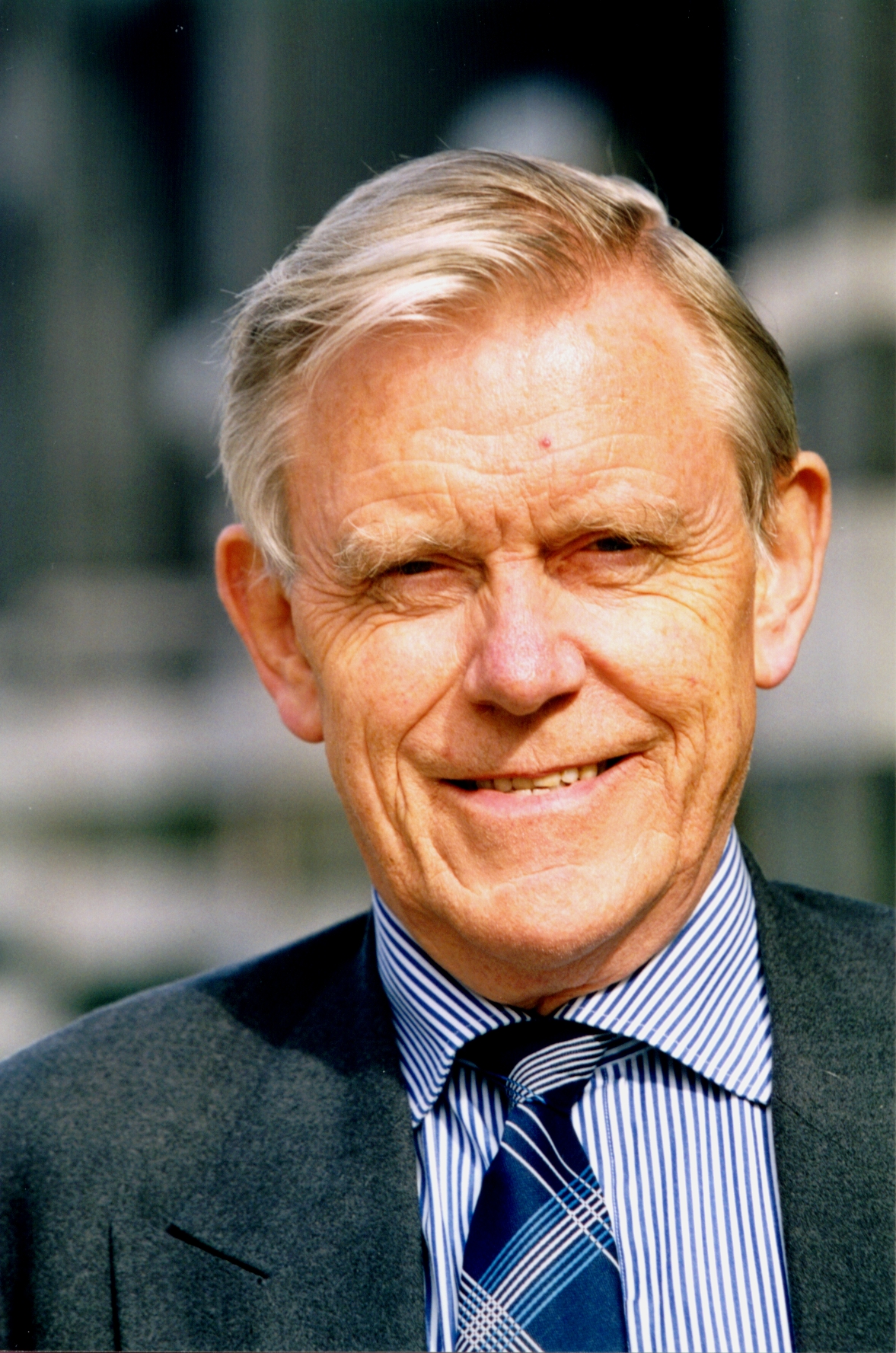
Inge Lønning (20 February 1938 – 24 March 2013) was a Norwegian Lutheran theologian and public figure who bridged academic life and party politics. Born in Fana, Bergen, Bergen, and raised in Oslo, he became known for his work in systematic theology, university administration, and participation in public debate. He combined a scholarly focus on Christian doctrine with active engagement in civic institutions.
Image gallery
2 Images
Academic career and contributions
Lønning pursued theological studies at the University of Oslo, later holding senior academic posts there. He was respected for teaching, research and contributions to theological reflection in Norway, particularly within the Lutheran tradition. Over his career he participated in scholarly publishing and public conversations about the role of religion in modern society and education.
Political and civic roles
Active in the Conservative Party, Lønning combined academic work with political service. He served as a councilman in Oslo and took part in national political life as a representative of his party. His public role exemplified the intersection of faith-based perspectives and centre-right politics in Norwegian public life.
Public influence, writings and positions
Lønning was regarded as a thoughtful public intellectual who addressed questions of church, state and ethics. He wrote and spoke on topics ranging from systematic theology to contemporary moral issues, contributing to newspapers, lectures and forums. His style was often characterized by a desire to bring theological insight into dialogue with contemporary social and political concerns.
Death and legacy
Inge Lønning died on 24 March 2013 at the age of 75 after falling ill following a trip to Beitostølen. His passing was noted across academic and political communities, which remembered him as a scholar who remained engaged in public life and debate. Biographical and institutional entries and remembrances reflect his roles in higher education and conservative politics in Norway.
Notable facts and further reading
- He combined active university service with elected office and public writing.
- His career illustrates the interaction of Lutheran theological scholarship and Norwegian civic life.
- For institutional information and records, see resources connected to the University of Oslo and Norwegian parliamentary and municipal archives.
Related articles
Author
AlegsaOnline.com Inge Lønning — Norwegian theologian, academic and Conservative politician Leandro Alegsa
URL: https://en.alegsaonline.com/art/47328
Sources
- theforeigner.no : Norway Conservative politician Inge Lønning deceased