
Bergen: Norway's historic west-coast city and maritime hub
Overview of Bergen, Norway: location, history, climate, economy, culture and notable sites including Bryggen and its maritime heritage.
Overview
Bergen is Norway's second-largest city and a coastal municipality in the west of the country. The municipality has around 275,000 inhabitants and the contiguous urban area about 238,098 people. As an administrative unit it is commonly referred to as a municipality within Norway, and its population figures are used to measure both local and regional activity in the region's urban area.
Image gallery
3 Images

Geography and climate
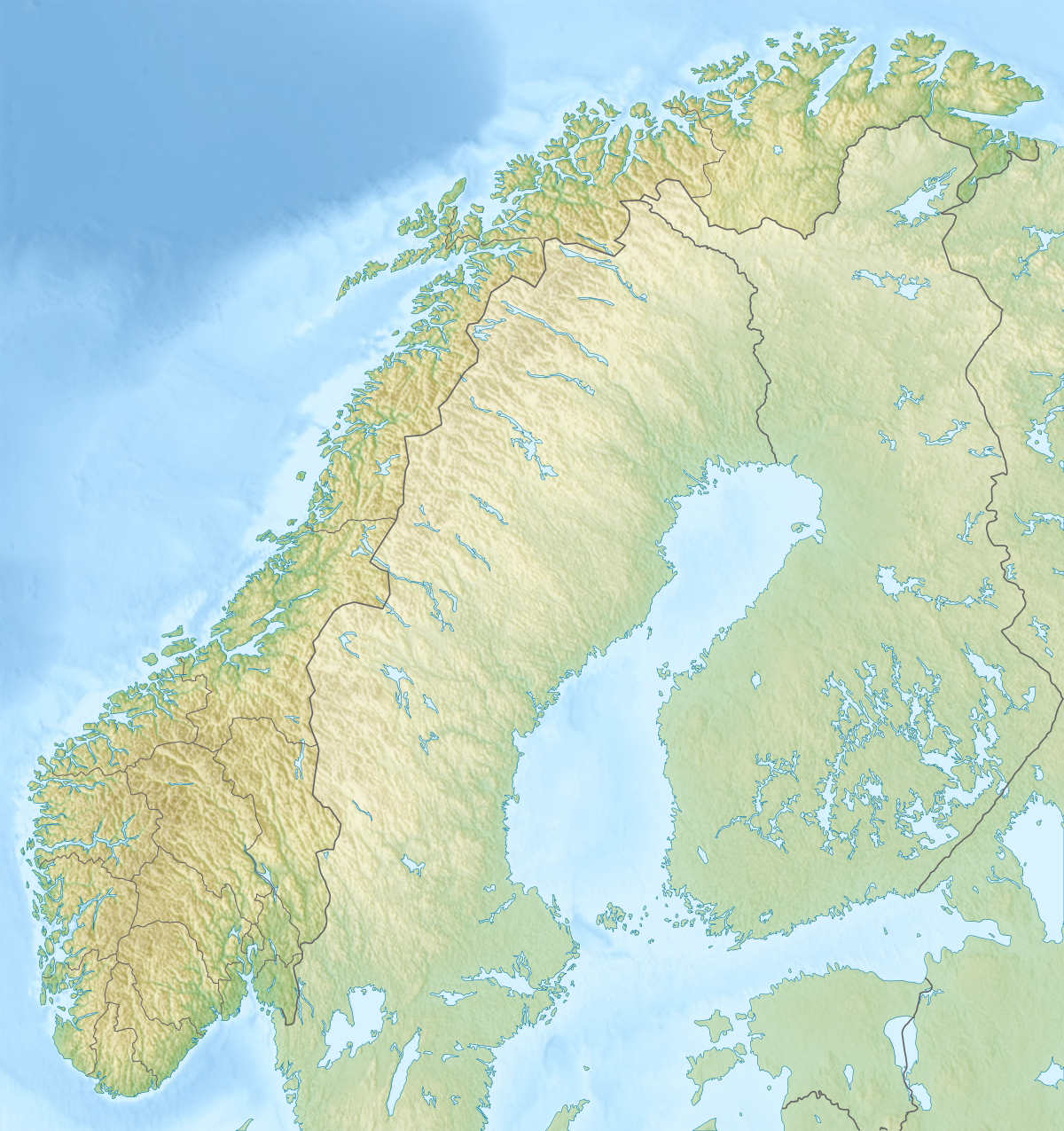
Bergen sits sheltered by a series of mountains and is often called the gateway to the fjords. The city's terrain includes steep hills, narrow valleys and a harbour opening to the North Sea. It has a temperate oceanic climate with mild winters and cool summers, and is noted for frequent precipitation throughout the year. The surrounding landscape and weather shape local culture, outdoor life and transport.
History and governance
Historically Bergen was an independent county until the mid-20th century. In 1972 the city ceased to have that separate county status when it merged with the neighbouring county of Hordaland; administrative reforms since then have further changed county borders. Bergen's historic role as a trading centre dates back many centuries and the city's layout still reflects its maritime past.
Economy and culture
The city's economy combines shipping, aquaculture, maritime services, education and tourism. Bergen has long been a centre for the seafood trade and still exports large quantities of fish and seafood products from its ports and processing facilities. Cultural institutions, festivals and a university contribute to a lively urban scene that attracts visitors across Scandinavia and beyond.
Notable sites and distinctions
Bergen's oldest harbour district, Bryggen, preserves rows of historic wooden buildings that testify to the city's role in medieval trade. Bryggen is recognised internationally and designated a World Heritage Site. Other attractions include historic fortifications, museums, fish markets and a popular funicular to viewpoints over the harbour.
Practical information
- Transport: Bergen is served by regional rail, ferry links and an airport connecting western Norway with the rest of the country and international destinations.
- Education: The city hosts major research and higher-education institutions that specialise in marine science, medicine and the humanities.
- Outdoor life: Proximity to fjords and mountains makes Bergen a base for hiking, boating and nature excursions.
Bergen's mixture of historic architecture, maritime industry and distinctive climate make it a prominent Norwegian city with strong regional influence. For visitors and residents alike, the combination of urban amenities and immediate access to dramatic coastal scenery is a defining characteristic.
Questions and answers
Q: What is Bergen?
A: Bergen is the second largest city and municipality in Norway.
Q: How many people live in Bergen municipality?
A: There are 275,000 people living in Bergen municipality.
Q: What is the population of Bergen's urban area?
A: The population of Bergen's urban area is 238,098.
Q: When was Bergen merged with Hordaland?
A: Bergen was merged with Hordaland in 1972.
Q: What is the old wharf in Bergen?
A: The old wharf in Bergen is Bryggen.
Q: Is Bryggen a World Heritage Site?
A: Yes, Bryggen is a World Heritage Site.
Q: What does Bergen export?
A: Bergen exports a lot of fish.
Related articles
Author
AlegsaOnline.com Bergen: Norway's historic west-coast city and maritime hub Leandro Alegsa
URL: https://en.alegsaonline.com/art/10690