
Inferior goods: income elasticity and consumer substitution behavior
Explore how inferior goods exhibit negative income elasticity, why consumers substitute toward alternatives as incomes rise, and the implications for demand, markets, and policy.
Definition
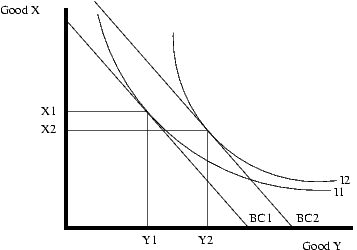
In economics, an inferior good is a type of good for which demand falls when the income of the consumer increases. In technical terms, inferior goods have a negative income elasticity of demand: as consumers become wealthier, they buy less of these items and switch to other alternatives.
Image gallery
3 Images

How it works
The decline in demand for an inferior good as income rises typically reflects substitution toward products perceived as better, more convenient, or more desirable once budget constraints ease. The underlying quality of the item need not be poor; “inferior” describes the relationship between income and purchase behavior, not an absolute assessment of the product.
Illustrative example
One common example is bread. A household with limited resources might purchase low-cost loaves from a supermarket. When that household’s income grows, it may prefer to buy bread from a local bakery instead, reducing its supermarket bread purchases because bakery bread is more expensive but viewed as superior in taste or freshness.
Key characteristics
- Income elasticity of demand is negative: a rise in income leads to a fall in quantity demanded.
- Substitution effect: buyers move to alternatives (often classified as normal goods) when they can afford them.
- “Inferior” does not automatically mean low quality; it is a descriptive term about demand behavior.
- Contexts and preferences matter: a good can be inferior for some consumers or income ranges and normal for others.
Exceptions and related concepts
There are special cases where an inferior good behaves unusually. A Giffen good, for example, is a theoretical type of inferior good for which an increase in its price can raise its demand because the income effect outweighs the substitution effect. Such cases are rare and require specific conditions.
Implications
Understanding which products are inferior helps firms and policymakers predict how demand will change with income growth, economic development, or income-support policies. It also clarifies why consumption patterns shift as populations become wealthier: purchases move away from some low-cost options toward alternatives perceived as better or more desirable.
Related articles
Author
AlegsaOnline.com Inferior goods: income elasticity and consumer substitution behavior Leandro Alegsa
URL: https://en.alegsaonline.com/art/47273