
Information Age (Digital Age)
Epoch characterized by the central economic and cultural role of digital information, networked communications, and computing technologies, transforming work, industry, and daily life.
Overview
The Information Age, often called the Digital Age, is the period in which the creation, processing and exchange of digital information became a primary driver of economic activity and social change. Rather than raw materials or industrial output alone, data, knowledge and communication networks serve as core inputs for production, innovation and public life. This era extends from the mid‑20th century to the present and continues to evolve as computing power, connectivity and software advance.
Image gallery
10 Images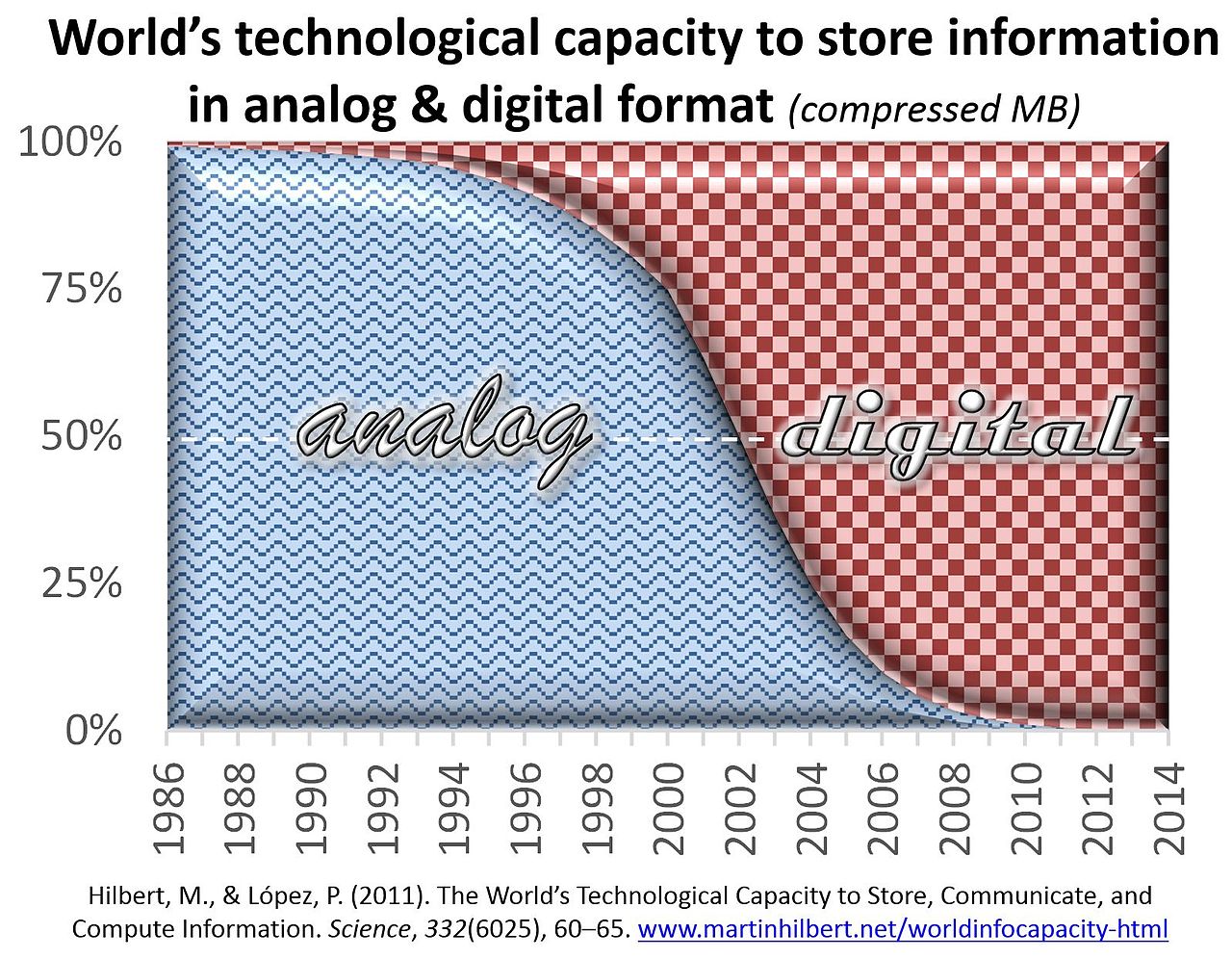




Key characteristics
The shift to an information‑centric economy shows several recurring features:
- Digitization: Analog processes and records are converted into digital form, enabling rapid copying, transmission and manipulation.
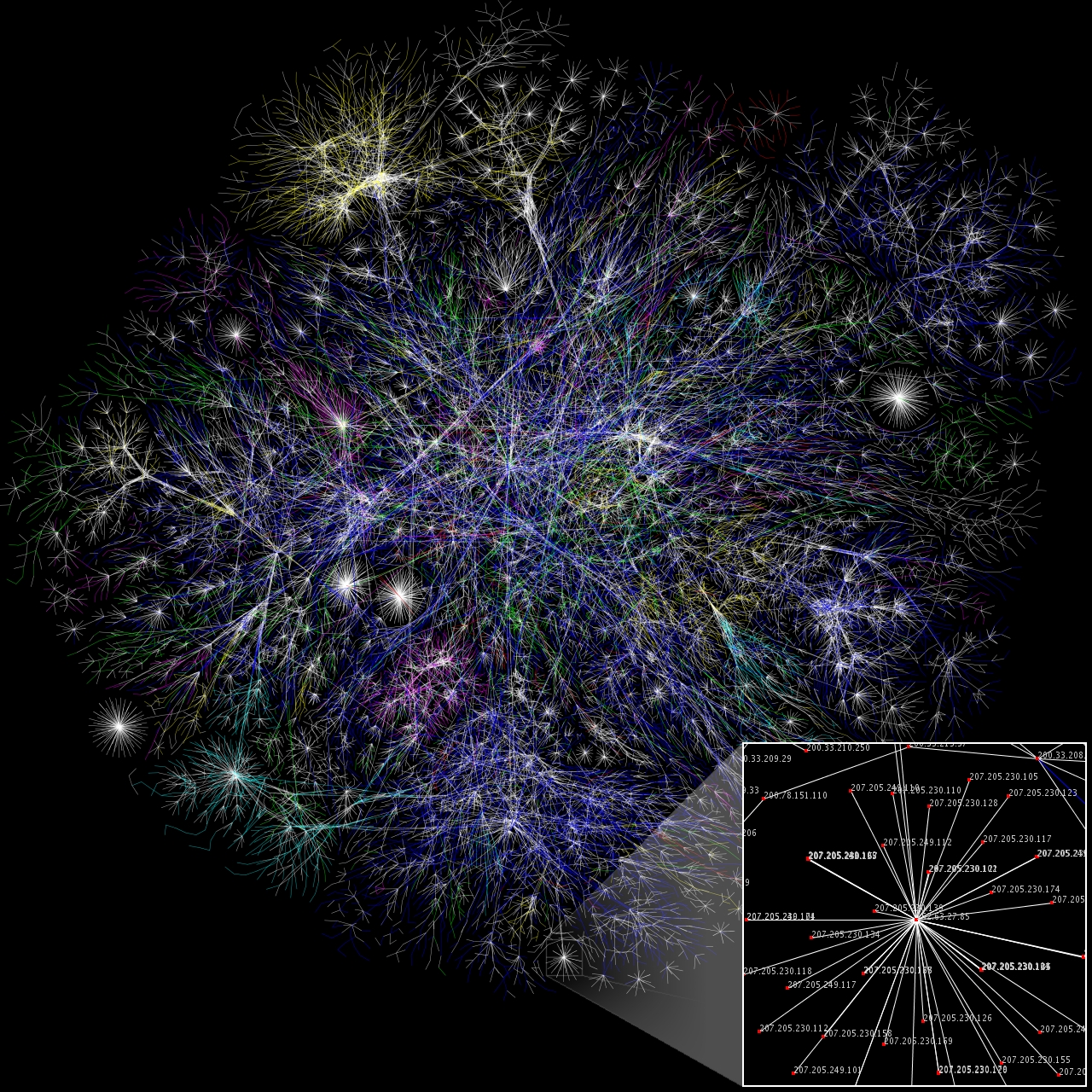
- Network connectivity: Global telecommunications and the internet link people, devices and institutions in real time.
- Knowledge work: A growing share of employment emphasizes information processing, analysis and creative problem solving.
- Intangible goods: Services, software and data have increasing economic value relative to physical products.
History and development
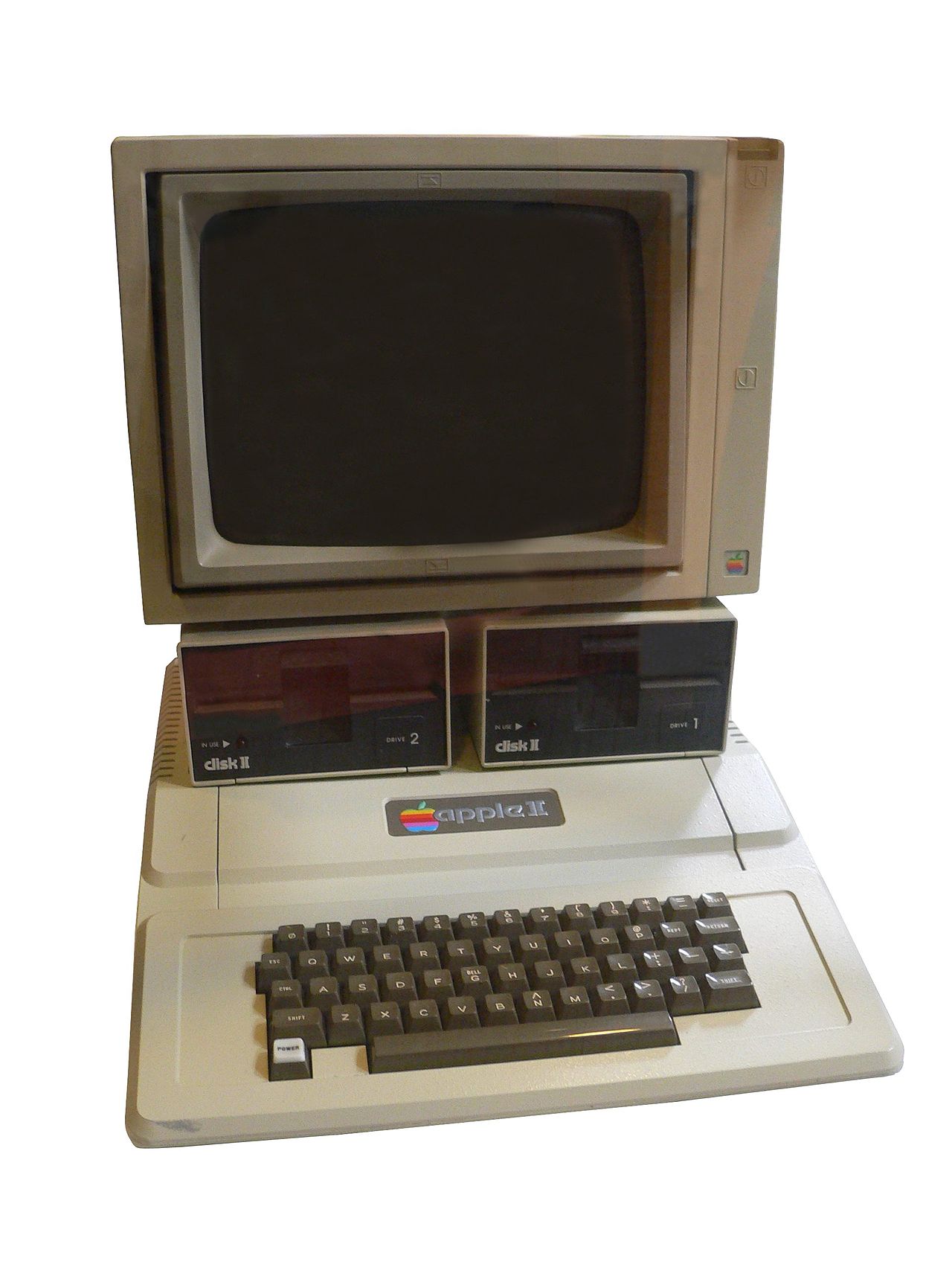
The Information Age emerged from multiple technological advances: electronic computing, microelectronics, packet switching, and later widespread consumer access to personal computers and mobile devices. The so‑called Digital Revolution marks the transition from industrial manufacturing dominance to systems organized around information flows, automation and digital platforms. Innovations in storage, processing speed and networking repeatedly broaden the scale and scope of digitally mediated activities.
Uses and societal impact
Digital information underpins modern media, finance, science, education and government. Examples include cloud computing for business operations, online platforms for commerce and communication, and data analytics that guide decision making across sectors. The Information Age also enables new forms of cultural expression and civic participation while lowering barriers to access for many types of knowledge.
Challenges and important distinctions
Alongside benefits, this era raises concerns about privacy, security, misinformation, concentration of corporate power, and unequal access commonly called the "digital divide." The value of information differs from physical goods: it is nonrival (sharing does not necessarily consume it) but can be costly to produce and control. Distinguishing the Information Age from prior epochs—agrarian and industrial—highlights a change in which intangible assets and networked capabilities shape economic strategy and everyday life.
Notable trends
- Continued miniaturization and mobility of computing devices.
- Growth of platforms that mediate transactions and attention.
- Increased emphasis on data governance, ethics and regulation.
Questions and answers
Q: What is the Information Age?
A: The Information Age is referred to as the third big epoch in the history of economics, where information has become a prime economic good, and there are industries that transform information from one form to another.
Q: What are the previous epochs in the history of economics?
A: The previous epochs in the history of economics are the Agrarian society and the Industrial Revolution.
Q: What is the Digital Revolution?
A: The Digital Revolution is the change from an industrialized society to the society of the Information Age.
Q: What is the significance of information in the Information Age?
A: Information has become a prime economic good in the Information Age, where industries transform information from one form to another.
Q: What industries are involved in the transformation of information in the Information Age?
A: There are numerous industries involved in the transformation of information in the Information Age, including technology, media, telecommunications, and more.
Q: What is the role of information in the economy?
A: Information plays a significant role in the economy, where its value is based on the worth of its insights, knowledge, and potential innovations.
Q: How has information changed the economic landscape?
A: Information has changed the economic landscape by becoming a prime economic good in the Information Age, transforming and driving various industries, and giving rise to new opportunities for growth and development.
Related articles
Author
AlegsaOnline.com Information Age (Digital Age) Leandro Alegsa
URL: https://en.alegsaonline.com/art/47302