
Indio, California
Overview of Indio, a city in Riverside County in the Coachella Valley: geography, history, economy, culture and notable facts including its role as a festival and agricultural center.
Indio is a city located in Riverside County, in the inland desert region of Southern California. It lies near the center of the Coachella Valley, a low-elevation basin within the Colorado Desert, and serves as one of the valley’s population and service centers. The 2010 census counted 76,036 residents in the city (2010 United States Census).
Image gallery
10 Images


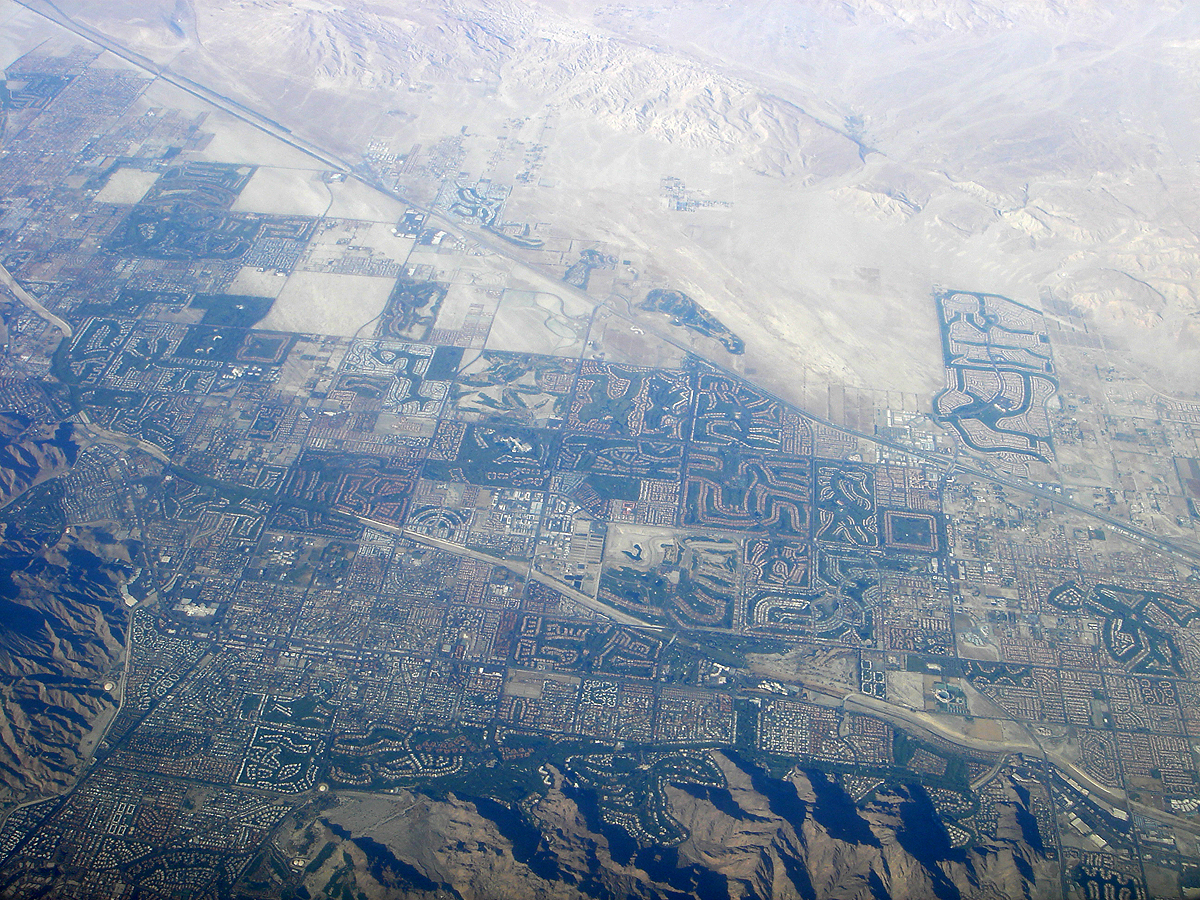


Geography and climate
Indio sits on flat desert terrain characterized by hot summers, mild winters and sparse rainfall. Vegetation is dominated by cultivated date palms and irrigated crops, with surrounding desert and mountain landscapes visible from much of the city. Its climate and access to irrigation shaped the region’s agricultural and recreational development.
History and development
Native peoples, notably the Cahuilla, lived in the Coachella Valley before Euro-American settlement. The modern town developed with the arrival of rail and irrigation in the late 19th and early 20th centuries and was incorporated in 1930. Agriculture—especially date and citrus cultivation—helped support growth and a transition toward residential and visitor-oriented services.
Economy and culture
Indio’s economy blends agriculture, retail, health and tourism. The city is commonly associated with date farming and greenhouses, but it is best known nationally as the permanent host of large music and cultural gatherings. Annual festivals and concert events bring significant seasonal visitors and have reshaped part of the local economy toward hospitality and entertainment.
Community and attractions
Local amenities include museums, parks, community centers and golf courses that serve residents and visitors. The Coachella Valley History Museum and other cultural venues document regional history; public programming and seasonal fairs reflect Indio’s role as a regional hub. Nearby natural areas provide hiking and scenic access to the surrounding desert and mountains.
Notable facts
- Festival city: Indio hosts major music and cultural festivals that draw international audiences.
- Agricultural roots: Date palms and irrigated farming remain important to the local identity.
- Location advantage: Its central valley position links it to neighboring resort communities and transportation corridors.
Related articles
Author
AlegsaOnline.com Indio, California Leandro Alegsa
URL: https://en.alegsaonline.com/art/47177