
Ingelmunster: a town and municipality in West Flanders, Belgium
Ingelmunster is a small Flemish municipality in the Belgian province of West Flanders known for its historic center, castle, and rural setting. Population was 10,646 in 2007.

Overview
Ingelmunster is a town and municipality in the Dutch-speaking region of Flanders, in the Belgian province of West Flanders. It functions as a local centre for surrounding rural communities and combines a compact historic core with agricultural countryside. Official records list the population at 10,646 in 2007.
Image gallery
3 Images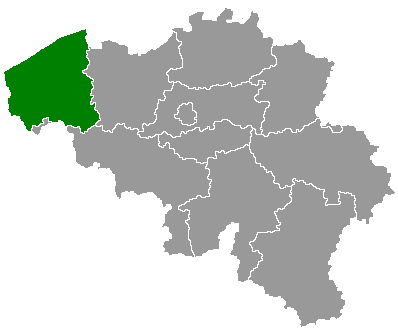


Geography and demographics
The municipality lies inland within West Flanders and is typical of the region's lowland landscape: a mix of small fields, lanes and clustered settlements. Residents are predominantly Dutch-speaking and local life reflects Flemish culture. Transport links are mainly regional roads that connect Ingelmunster with larger towns and nearby municipalities.

History and development
Human settlement in the area dates back many centuries. Ingelmunster's documented history extends to the medieval era when it developed around a fortified manor and parish. Over time it grew into a market and administrative centre for the surrounding farming district. Like many Belgian towns, it experienced phases of rebuilding and modernization while retaining elements of its historic fabric.
Sights and culture
Key attractions include the local castle and historic church buildings that mark the townscape. The town hosts seasonal markets, local cultural associations and community events typical of Flemish municipalities. The compact centre, traditional houses and nearby lanes make it a starting point for regional cycling and walking routes.
Administration, economy and links
Ingelmunster is governed by a municipal council and mayor and offers services for residents such as schools, local administration and small businesses. Its economy is a mix of local services, light industry and agriculture. For official information see the municipal page: municipality page, and for provincial context consult the Belgian province entry: province overview or the regional page: West Flanders.
Notable facts: the town exemplifies many small Flemish municipalities where historical buildings coexist with modern daily life, and it serves as a local hub for surrounding rural areas.
Related articles
Author
AlegsaOnline.com Ingelmunster: a town and municipality in West Flanders, Belgium Leandro Alegsa
URL: https://en.alegsaonline.com/art/47333
Sources
- statbel.fgov.be : Werkelijke bevolking per gemeente op 1 januari 2007 / Population de droit par commune au 1 janvier 2007 (.xls)
- tools.wmflabs.org : 50°55′N 3°15′E / 50.917°N 3.250°E / 50.917; 3.250