
Indian Premier League
The Indian Premier League (IPL) is India's top professional Twenty20 cricket franchise competition, combining sport, entertainment and commerce since its launch in 2008.
Overview
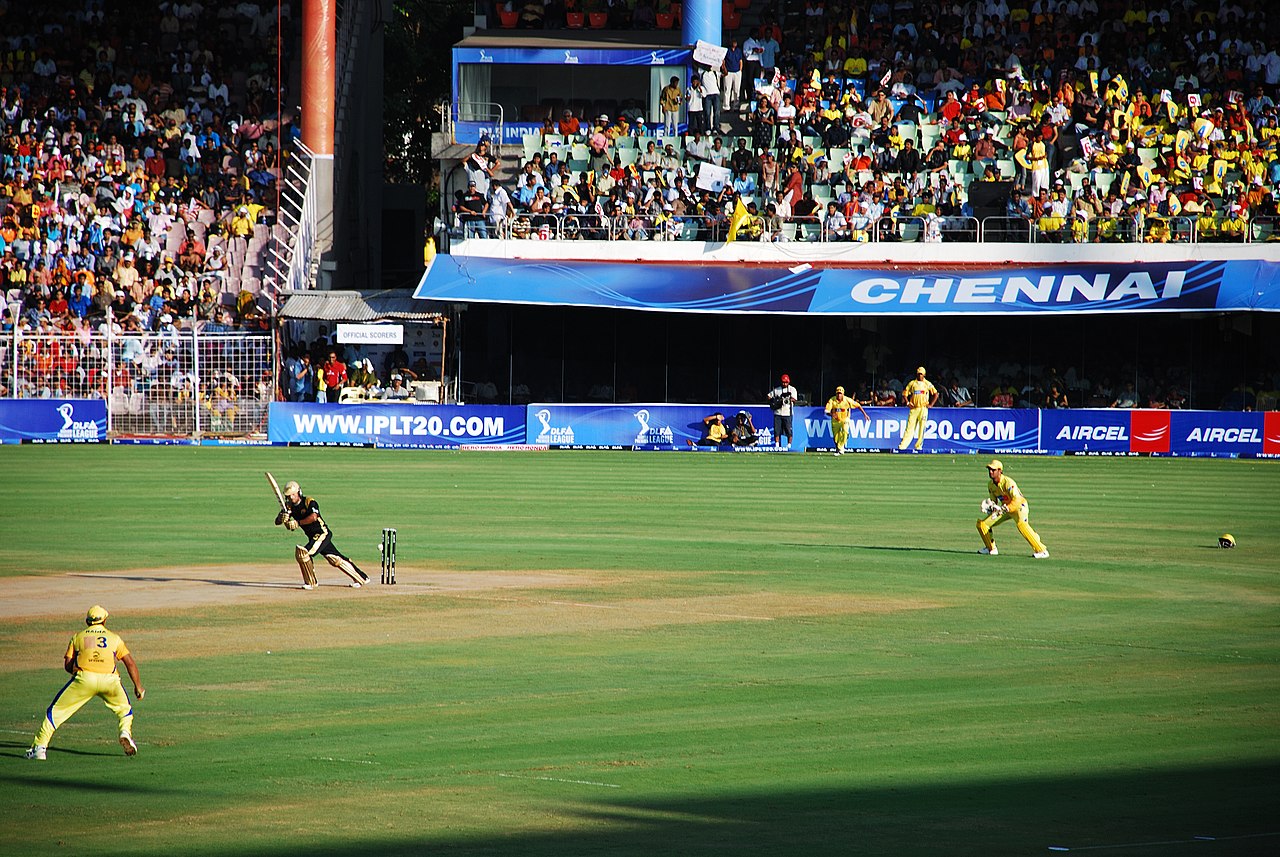
The Indian Premier League (commonly abbreviated IPL) is a professional Twenty20 competition that has become one of the world’s most-watched cricket tournaments. The IPL is played in India and follows the fast-paced Twenty20 format of cricket, which limits each team to a single innings of 20 overs. The event mixes top domestic and international players inside a franchise structure run under the supervision of the Board of Control for Cricket in India (BCCI).
Image gallery
5 Images


Format and teams
The tournament typically takes place annually over several weeks during India’s cricket season. Teams are organized as privately owned franchises that compete in a league stage followed by playoffs. Player distribution is handled through auctions or drafts and a system of retained players, transfers and salary caps, which aims to maintain competitive balance. The IPL’s model blends sports competition with entertainment elements such as pre-match shows and high-profile broadcasting.
Current and noted franchises include a mix of long-standing and expansion teams. Examples of prominent franchises are listed below; franchises are privately owned commercial entities often associated with a city or region:
- franchises such as Mumbai Indians, Delhi Capitals and Chennai Super Kings are among the most recognisable names.
- Other leading teams include Royal Challengers Bangalore, Kolkata Knight Riders, Punjab Kings, Sunrisers Hyderabad, Rajasthan Royals and more recent additions like Gujarat Titans and Lucknow Super Giants.
History and development
The IPL began in 2008 after the BCCI created a new franchise-based Twenty20 competition. Its formation followed disputes within Indian domestic cricket and an effort to commercialize the shorter format. From the first season onward the league attracted international stars and significant media attention, rapidly increasing its commercial value through sponsorship, ticketing and broadcast rights. Over time the league expanded and modified its structure, adding and replacing teams and adjusting player-acquisition rules.
Cultural and economic impact
Beyond the on-field action, the IPL has had a broad cultural and economic influence. It introduced a franchise model to cricket in India that encouraged investment from corporations, media groups and celebrity owners. The tournament generates substantial television and digital viewership that drives advertising and sponsorship revenue. It also provides a high-profile platform for emerging domestic players to perform alongside international talent, often accelerating careers and enhancing national team selection prospects.
Notable characteristics and controversies
The IPL is notable for combining sport and entertainment: high-scoring matches, aggressive batting, fast-paced bowling changes and strategic use of substitutes. Its auction system and celebrity team owners are distinctive features. The league has also faced controversies, including governance questions, disciplinary cases and match-fixing investigations at various times; these issues prompted regulatory responses and reforms to preserve the competition’s integrity.
Significance and legacy
Over more than a decade, the IPL has reshaped limited-overs cricket by popularizing the Twenty20 format and demonstrating how a domestic league can achieve global commercial success. It remains influential in shaping cricket schedules, player development, broadcasting strategies and the sport’s wider popular appeal. For fans, administrators and players alike, the IPL represents a major annual highlight in the international cricket calendar.
Questions and answers
Q: What is the Indian Premier League?
A: The Indian Premier League is a Twenty20 cricket tournament in India.
Q: Who started the tournament?
A: The Board of Control for Cricket in India (BCCI) began the tournament after a dispute with the Indian Cricket League.
Q: When did the first season of IPL begin?
A: The first season of the Indian Premier League began on 18 April 2008.
Q: How many franchises are there that field teams to play in IPL?
A: There are eight franchises that field teams to play in the IPL.
Q: Name some of those franchises.
A: Some of those franchises include Mumbai Indians (MI), Delhi Capitals (DC), Punjab Kings (PBKS), Kolkata Knight Riders (KKR), Royal Challengers Bangalore (RCB), Sunrisers Hyderabad (SRH), Chennai Super Kings (CSK) and Rajasthan Royals (RR).
Gujarat Titans (GT) Lucknow Super Giants(LSG).
Q: Are there any other teams that have played in IPL but stopped due to cost?
A: Yes, five other teams have played in the IPL but stopped due to cost.
Related articles
Author
AlegsaOnline.com Indian Premier League Leandro Alegsa
URL: https://en.alegsaonline.com/art/47119
Sources
- inextlive.jagran.com : "IPL 2016 Team Guide To The Twenty20 Tournament"
- sports.ndtv.com : "Former players, coaches slam ICL return"