
Imre Varga — Hungarian sculptor, painter and designer
Imre Varga (1923–2019) was a prolific Hungarian sculptor, painter, designer and graphic artist known for large public monuments, Holocaust memorials and expressive figurative works across Hungary and abroad.
Overview
Imre Varga (1 November 1923 – 9 December 2019) was a Hungarian artist whose career spanned many decades and media. He worked as a sculptor, painter, designer and graphic artist and became widely regarded as one of Hungary's leading visual artists. His public monuments and memorials brought his work to broad audiences and made him a prominent figure in Hungary's cultural life.
Image gallery
10 Images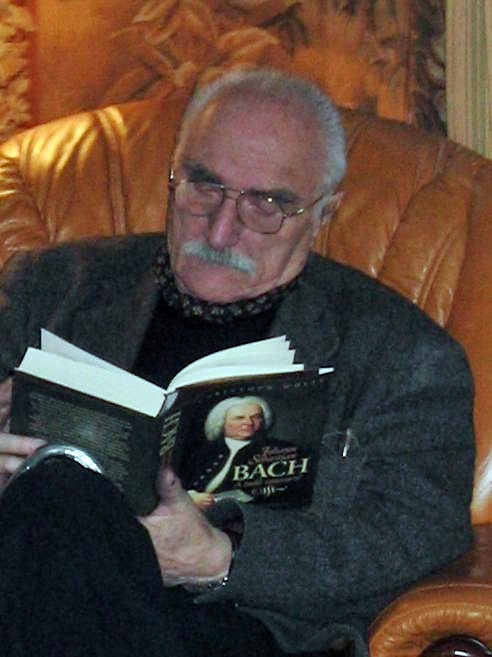



Artistic characteristics and media
Varga's work ranges from figurative portraiture to large-scale public sculpture. He frequently worked in durable materials such as bronze and stone, producing expressive, often monumental pieces intended for outdoor display. His output also included smaller studio pieces, graphic works and designs, showing versatility and attention to surface, texture and human expression.
Notable works
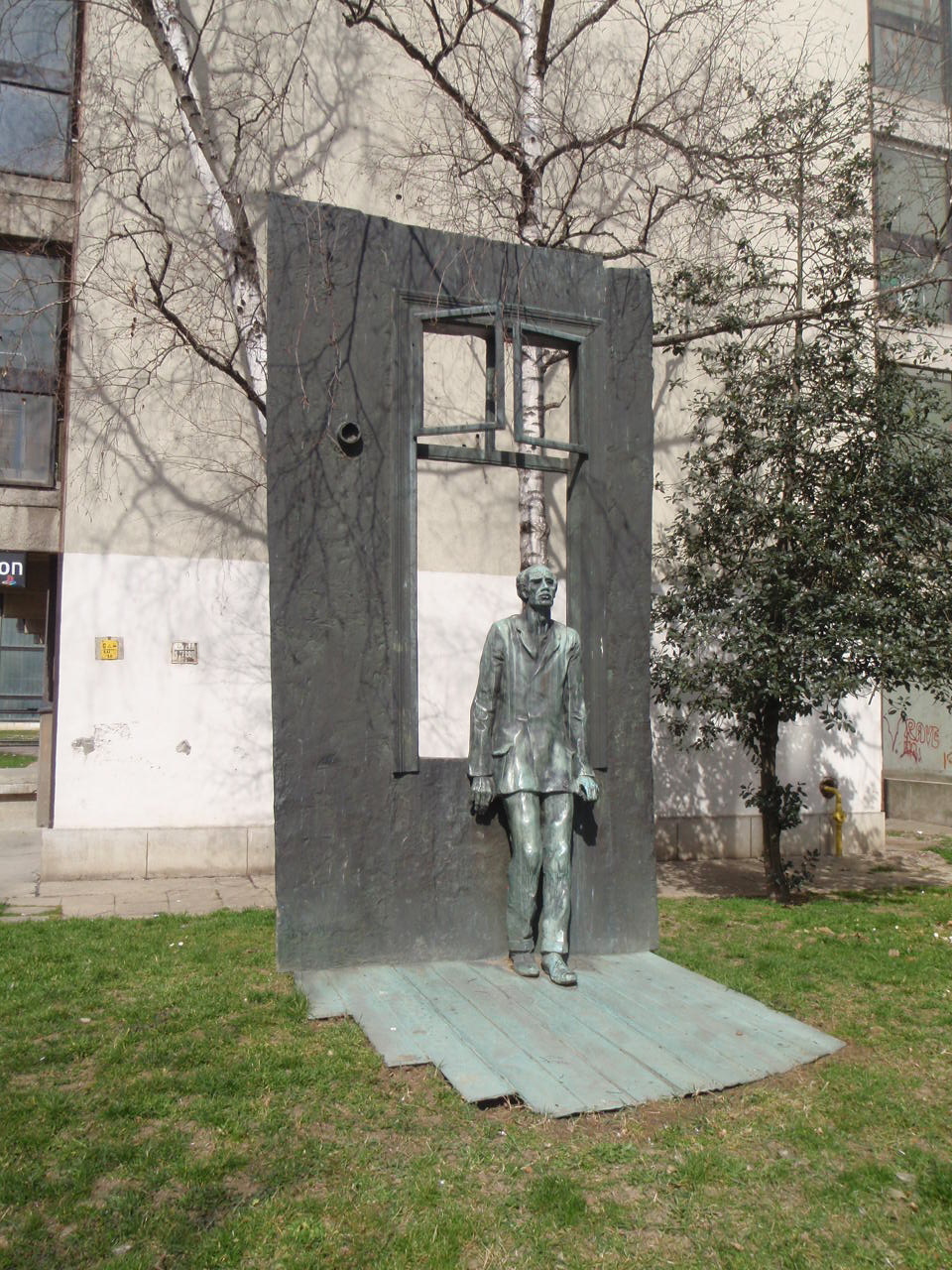
Among his best-known commissions are commemorative sculptures that address historical memory. Notable examples include the Statue of Raoul Wallenberg, installed in Tel Aviv, and the Holocaust memorial created for the grounds of the Dohány Street Synagogue in Budapest. His work often appears in public squares, museums and religious sites where it functions as both art and civic remembrance.
Development and context
Varga's career developed through the post-World War II period into the late 20th and early 21st centuries, a time of major political and cultural change in Hungary and Central Europe. He navigated official commissions and private projects alike, producing works that reflected humanist concerns and an interest in history, identity and commemoration.
Uses, reception and legacy
Varga's sculptures serve multiple roles: they are aesthetic objects, public markers of collective memory and focal points for civic rituals. He received significant recognition in Hungary and his monuments remain landmarks. For a concise account of his life and works see a summary biography.
Themes and notable facts
- Frequent themes: remembrance, human figure, suffering and resilience.
- Mediums: bronze, stone and mixed materials for outdoor installation.
- Range: from intimate studio pieces to large public monuments.
- Legacy: his monuments continue to shape public memory and urban space in Hungary and abroad.
Varga died in Budapest on 9 December 2019, leaving a body of work that is visible across public spaces and collections. His sculptures remain points of reference for discussions about art, history and commemoration in Hungary and beyond.
Related articles
Author
AlegsaOnline.com Imre Varga — Hungarian sculptor, painter and designer Leandro Alegsa
URL: https://en.alegsaonline.com/art/46921
Sources
- lonelyplanet.com : "Imre Varga Collection"
- books.google.com : Rick Steves' Budapest
- books.google.com : Berlitz: Budapest Pocket Guide
- wz.de : "Imre Varga mit 96 Jahren gestorben"