
Ilona Szilágyi
Ilona Szilágyi was a member of the Hungarian Szilágyi family, traditionally identified as the second wife of Vlad III the Impaler. Her life, children and later fate are sparsely documented and remain the subject of debate.
Overview
Ilona Szilágyi is traditionally identified in several historical accounts as the second wife of Vlad III Dracula (Vlad Țepeș, "the Impaler"). She belonged to the influential Hungarian Szilágyi kin, a noble house closely connected by marriage and alliance to King Matthias Corvinus of Hungary. Contemporary records about Ilona are limited, and surviving references are often brief or contradictory; as a result, many details of her life are uncertain and reconstructed from later genealogies and chronicles.
Image gallery
2 Images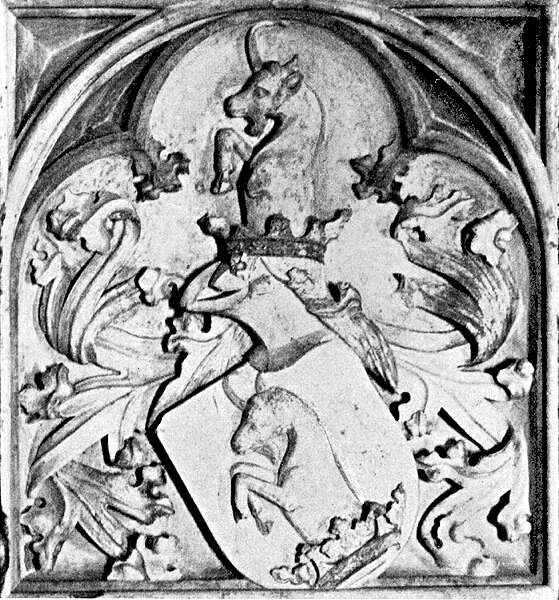

Family background
The Szilágyi family were important magnates in 15th-century Hungary. Ilona's kinship with the Hungarian king is described in some accounts as a cousin relationship, which would have made a marital link between her and Vlad politically useful. Such a union could be interpreted as part of the shifting alliances in the region, where Wallachia, Hungary and the Ottoman Empire vied for influence. Beyond the general statement of her noble origins, specific information about Ilona's early life and parentage is not well documented in surviving primary sources.
Children and disputed descendants
Accounts attribute at least two sons to Ilona and Vlad. One son is named Vlad in some records; another son is reported to have died around 1482, but his name is not preserved in the principal chronicles. A number of historians also discuss the possibility of a daughter, sometimes given the name Zaleska or "Princess Zaleska," though this figure is not attested consistently and remains debated among scholars. For further discussions of these claims see selected genealogical studies and critical analyses collected by later researchers here.
Historical significance and sources
Ilona Szilágyi's principal significance lies in what her alleged marriage to Vlad indicates about alliances between the Wallachian voivode and Hungarian nobility during the 15th century. Because primary sources rarely name wives and daughters of rulers with the same consistency given to male succession, historians must rely on diplomatic records, later family chronicles and regional narratives to form a picture. Modern treatments of Ilona stress the fragmentary nature of evidence and urge caution when reconstructing precise family trees.
Notable facts
- She is commonly described as Vlad III's second wife in traditional accounts.
- Her relation to Matthias Corvinus is often cited as a familial bond, used to explain political connections.
- Descendants and additional children attributed to Ilona remain a subject of scholarly debate rather than settled fact.
Related articles
Author
AlegsaOnline.com Ilona Szilágyi Leandro Alegsa
URL: https://en.alegsaonline.com/art/46764
Sources
- geni.com : "princess Zaleska"