
Imam Bukhari (Muhammad ibn Ismail al-Bukhari)
9th-century Persian scholar Muhammad ibn Ismail al-Bukhari, compiler of Sahih al-Bukhari, a foundational Sunni hadith collection; known for rigorous criteria, extensive travels, and lasting influence on Islamic scholarship.
Imam Bukhari, full name Muhammad ibn Ismail al-Bukhari (810–870 CE), was a prominent Islamic scholar best known for assembling one of Sunni Islam's most highly regarded hadith collections. Born in the city of Bukhara in the region historically associated with Persian culture, he lived within the broad territory that corresponds today to parts of Central Asia, including modern Uzbekistan. He is often described as Persian in classical sources and later scholarship.
Image gallery
2 Images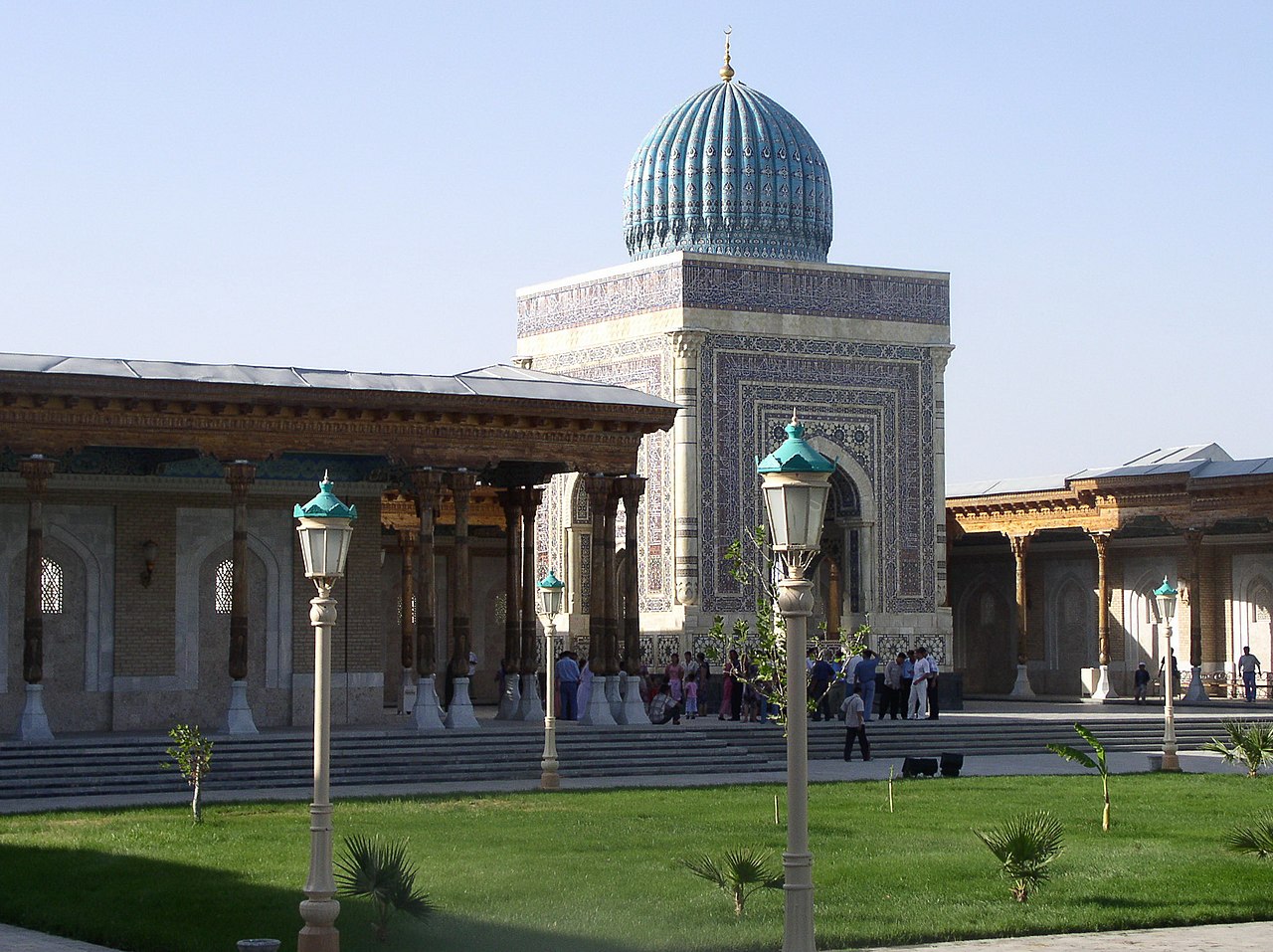

Life and scholarly journeys
Bukhari began studying hadith at an early age and spent many years traveling to major centers of learning across the Islamic world. He visited cities such as Mecca, Medina, Baghdad, Kufa, Basra, and others to seek the testimony of recognized transmitters. These travels allowed him to evaluate narrators and collect material directly from teachers with whom he studied. His mobility and focus on direct transmission were typical of major hadith scholars of the period.
Compilation and methodology
His most famous work, commonly cited as Sahih al-Bukhari, was produced after lengthy study and selection. Bukhari applied strict conditions for accepting a hadith: an unbroken chain of reliable transmitters, demonstrable personal integrity and competence of those transmitters, and examination for contradictions or defects. He organized the collection into books and chapters that group traditions by topic and legal or ethical relevance. Editions of Sahih al-Bukhari typically include thousands of hadiths — counts vary by editor, since repetitions and chaptering affect totals.
Other works and scholarly legacy
Beyond his Sahih, Bukhari compiled additional works related to manners, biography and transmission. A widely known companion work is Al-Adab al-Mufrad, which gathers traditions on ethics and social conduct. He also compiled biographical and historical material about transmitters. Over the centuries his Sahih became a central reference for Sunni jurisprudence, theology, and hadith criticism; it has been extensively commented upon, translated, and taught in traditional and modern institutions.
Reception and scholarly assessment
Among Sunni Muslims, Sahih al-Bukhari is commonly regarded as the most authentic hadith collection after the Quran, and Bukhari's methodological rigor is frequently praised by classical and contemporary scholars. Like any major collection, it has also been examined and critiqued: some transmitters and certain narrations have been debated, and scholars continue to study its chains and texts. Such critique is part of the broader hadith sciences in which Bukhari is a central figure.
Notable facts
- He is remembered primarily for creating a carefully organized hadith corpus that set high standards for transmission authenticity.
- His work shaped later methods of hadith criticism and influenced Sunni legal and theological traditions.
- Collections attributed to him beyond the Sahih address ethics, transmitter biographies, and historical notes.
Imam Bukhari's life and writings remain a major subject of study in Islamic studies, religious education, and historical inquiry. His emphasis on direct learning, critical evaluation of transmitters, and systematic arrangement of traditions left a durable mark on Muslim scholarship and continues to inform the study of prophetic reports today.
Questions and answers
Q: Who was Imam Bukhari?
A: Imam Bukhari was a Persian Islamic scholar who was born in Bukhara (the capital of the Bukhara Region of Uzbekistan).
Q: What is Sahih al-Bukhari?
A: Sahih al-Bukhari is a hadith collection written by Imam Bukhari and regarded by Sunni Muslims as one of the most authentic (sahih) hadith collections.
Q: In which country was Bukhari born?
A: Bukhari was born in Bukhara, which is the capital of the Bukhara Region of Uzbekistan.
Q: What is the significance of Sahih al-Bukhari?
A: Sahih al-Bukhari is regarded by Sunni Muslims as one of the most authentic (sahih) hadith collections, which makes it significant in Islamic scholarship.
Q: When was Imam Bukhari born?
A: Imam Bukhari was born in the year 810.
Q: When did Imam Bukhari die?
A: Imam Bukhari died in the year 870.
Q: What is a hadith collection?
A: A hadith collection is a compilation of sayings, actions, and traditions of the Prophet Muhammad, which are used in Islamic scholarship to understand and interpret Islamic teachings.
Related articles
Author
AlegsaOnline.com Imam Bukhari (Muhammad ibn Ismail al-Bukhari) Leandro Alegsa
URL: https://en.alegsaonline.com/art/46814