
Illapel — city and capital of Choapa Province, Coquimbo Region
Illapel is a city in north-central Chile, the administrative centre of Choapa Province in the Coquimbo Region; known for its agricultural valley, links to mining, and seismic risk in a narrow east–west corridor.
Illapel is a Chilean city; it is the capital of the Choapa province within the Coquimbo region. The town lies inland from the Pacific coast in north-central Chile, near one of the country's narrowest east–west corridors along a similar parallel. As a provincial centre, Illapel concentrates administrative services, local commerce and social infrastructure for surrounding rural communities.
Image gallery
4 Images


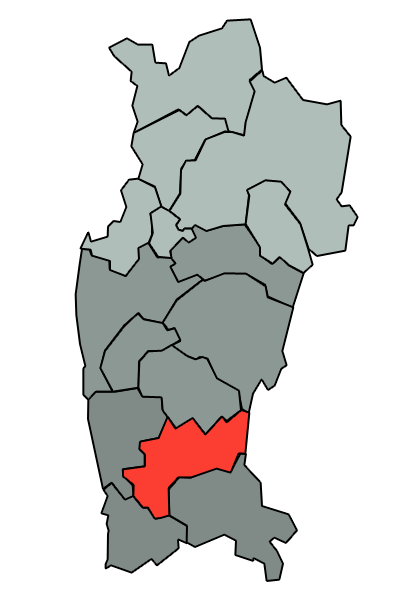
Geography and climate
Illapel occupies part of the Choapa River valley, a landscape of alluvial plains, irrigated fields and low hills. The climate is a semi-arid to Mediterranean transition, with wet winters and dry summers that support irrigated agriculture, including vineyards, fruit orchards and vegetable production. Proximity to both coastal influences and Andean foothills shapes local weather and water resources.
History and development
The settlement grew from colonial-era rural and transport activity to become the administrative seat of Choapa Province. Local history is tied to valley agriculture and patterns of land use that predate modern municipal government. Over time Illapel expanded modestly as services, education and health facilities were established to serve the province.
Economy and infrastructure
The economy blends public administration, commerce and agriculture, with regional mining operations influencing employment and investment in the wider province. Roads connect Illapel to coastal towns and regional transport routes; local markets and small industry support the surrounding rural population. Community services include municipal offices, schools and basic health care facilities.
Seismicity and natural hazards
Illapel lies in a seismically active part of Chile and has been affected by major earthquakes in modern times; seismic risk informs building standards and emergency planning. The combination of steep terrain in parts of the province and occasional heavy rains can also create local flood and landslide hazards in vulnerable areas.
Culture and points of interest
Cultural life in Illapel reflects rural provincial traditions: local festivals, religious celebrations and markets that emphasise agricultural products. Visitors encounter a modest urban centre serving as gateway to valley landscapes and nearby mineral districts. For administrative and tourism information, official and regional sources may be consulted via local links and portals.
Questions and answers
Q: What is Illapel?
A: Illapel is a city in Chile.
Q: Where is Illapel located?
A: Illapel is located in the Coquimbo region of Chile, and it is the capital of the Choapa province.
Q: What is the geography of Illapel like?
A: Illapel is situated in the most narrow point of Chile along a parallel, and it stretches for 94 km (58 mi).
Q: What is the significance of Illapel as a city?
A: As the capital of Choapa province, Illapel plays an important administrative and cultural role in the region.
Q: What industries are prominent in Illapel?
A: It is not mentioned in the text what industries are prominent in Illapel.
Q: How does Illapel compare to other Chilean cities?
A: The text does not provide information on how Illapel compares to other Chilean cities.
Q: What kind of climate does Illapel have?
A: The text does not provide information on the climate of Illapel.
Related articles
Author
AlegsaOnline.com Illapel — city and capital of Choapa Province, Coquimbo Region Leandro Alegsa
URL: https://en.alegsaonline.com/art/46712
Sources
- municipalidadillapel.cl : "Alcalde"
- inecoquimbo.cl : "Región de Coquimbo"
- geonames.org : "Illapel, Chile P PPPL 3887344"
- sinia.cl : "Cuenca del Río Choapa"