
If Only You Were Lonely (Hawthorne Heights album)
If Only You Were Lonely is Hawthorne Heights' second studio album (2006). It presents a darker, more melodic emo/post-hardcore sound with fewer harsh vocals and produced three singles.
Overview
If Only You Were Lonely is the second full-length album by the American emo band Hawthorne Heights. Released in 2006, the record followed their debut effort and showed a shift toward more polished, melodic songwriting while retaining elements of post-hardcore intensity. The album is often noted for its themes of loneliness, relationship strain, and emotional introspection.
Image gallery
1 Image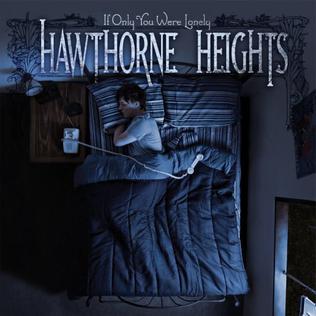
Musical characteristics and vocals
The sound blends emotive, hook-driven choruses with textured guitar work and occasional aggressive passages. Compared with their earlier material, this album reduces the use of harsh, screamed vocals: the band reserved death growls for moments of emphasis rather than making them a constant feature. Lead vocalist JT Woodruff delivers the majority of the clean singing, while the band's rhythm and backing parts create layered dynamics between softer verses and anthemic refrains.
Release, singles and promotion
The record reached a high commercial profile for the group and helped expand their audience during the mid-2000s emo wave. It produced several singles that received radio play and music video rotation, bringing wider attention to the band. Notable tracks issued as singles include:
- "Saying Sorry" — a melodic, radio-friendly single that became one of the band's better-known songs.
- "This Is Who We Are" — an assertive track that reinforces the album's themes of identity and strain.
- "Pens and Needles" — a darker, more intense song reflecting the record's mood.
For a concise listing of the singles and releases from this period, see the band's single discography and promotional materials here.
Reception and legacy
Critics and fans generally recognized the album for tightening the band's songwriting and for a moodier atmosphere than their debut. It helped cement Hawthorne Heights' place among contemporaries in the emo and post-hardcore scenes and influenced the band's touring and festival presence in the years that followed. Over time the record has been referenced as a clear example of mid-2000s emo production values—melodic focus, emotionally direct lyrics, and measured use of heavier vocal techniques.
Notable distinctions
Aside from its commercial visibility, the album is often discussed for how it balanced accessible pop-leaning hooks with darker lyrical content, and for dialing back constant harsh vocals in favor of contrast. Those shifts made it accessible to a broader audience while retaining enough edge to satisfy fans of the band's earlier, rougher sound.
Related articles
Author
AlegsaOnline.com If Only You Were Lonely (Hawthorne Heights album) Leandro Alegsa
URL: https://en.alegsaonline.com/art/46565