
If I Ran the Zoo
Overview, themes, history, and reception of Dr. Seuss's 1950 children's book 'If I Ran the Zoo', including its imaginative creatures and notable cultural impacts.
Overview
If I Ran the Zoo is a children's picture book written and illustrated by Theodor Seuss Geisel, better known as Dr. Seuss, first published in 1950. Presented in the author's characteristic rhythmic verse and bold, cartoon-like illustrations, the book follows a child's fanciful plans for transforming a run-of-the-mill animal collection into an extraordinary menagerie of invented creatures. Its short, fast-moving text and lively images typify mid-20th-century American picture-book design aimed at early readers.
Image gallery
3 Images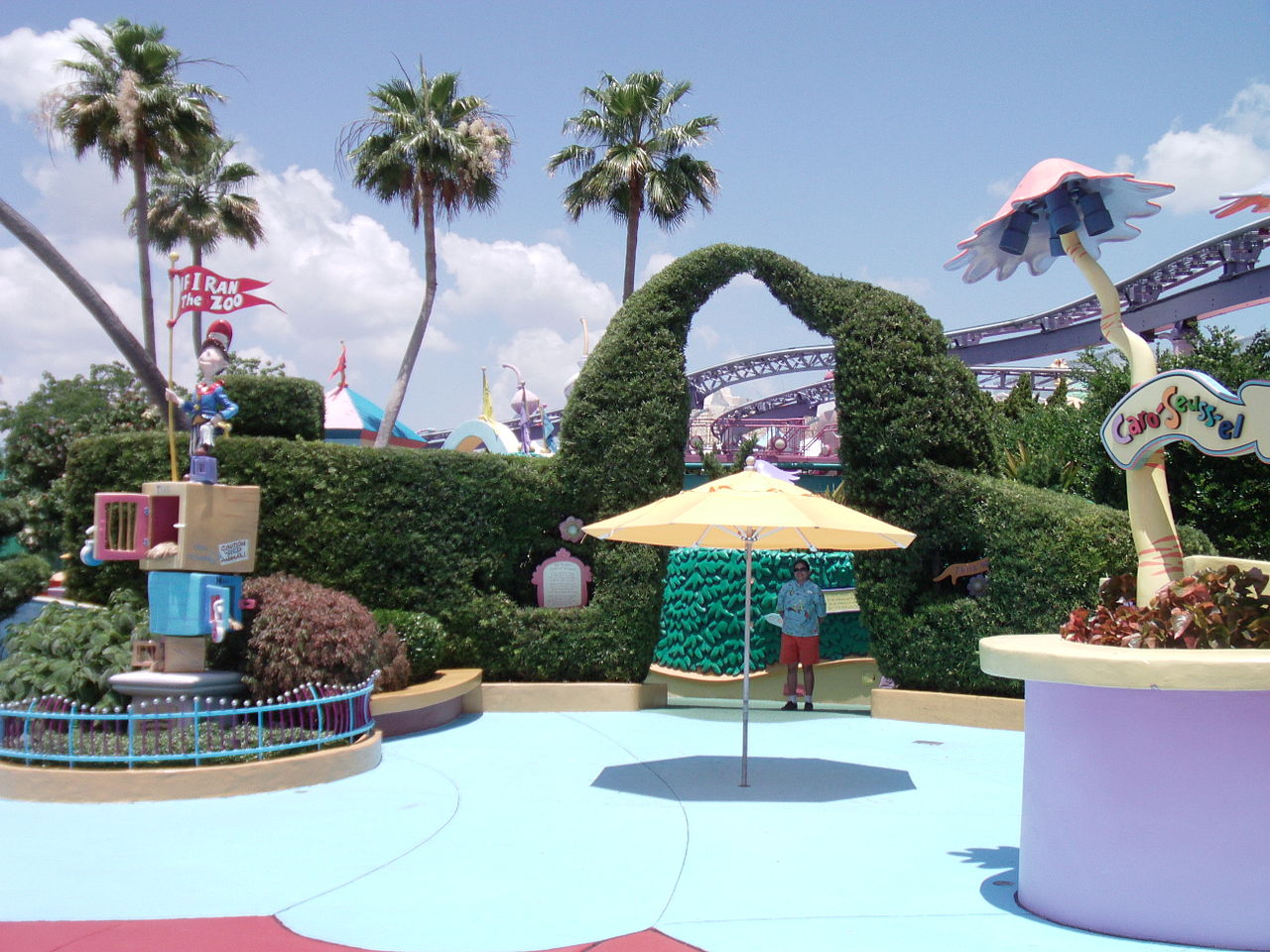


Plot and characters
The narrative is told from the point of view of a young boy, commonly identified as Gerald McGrew in later references. Bored by the ordinary animals on display, he imagines traveling to distant lands to gather unusual species and bring them to his own zoo. Rather than realistic animals, the pages introduce a parade of fantastical beasts with playful names and surreal appearances. The story is less about plot development than about imaginative accumulation: each spread adds a new oddity and an accompanying rhyme.
Style, language, and illustrations
Dr. Seuss combined simple meter and internal rhyme with highly stylized drawings—thick outlines, bright colors, and exaggerated forms—that support both oral reading and visual exploration. The invented creature names and humorous verbs contribute to the book’s lyrical nonsense tradition. Academically and culturally, the book is often cited for its inventive wordplay: an early printed occurrence of the word "nerd" appears in this title, an example of Seuss’s influence on English-language neologisms.
Reception and legacy
For decades the book was a popular element of Dr. Seuss’s catalog, frequently used in classrooms to encourage phonemic awareness and creative thinking. Over time readers and scholars have also critiqued certain illustrations and characterizations in the book for relying on caricatures and stereotypes. In 2021 Dr. Seuss Enterprises made a business decision to stop publishing several titles, including this one, citing images that were inconsistent with modern standards. That choice renewed public discussion about historical context, representation in children’s literature, and how to handle problematic elements in classic works.
Notable facts and distinctions
- Publication year: 1950, placing it in the postwar expansion of American children’s publishing.
- Protagonist: the imaginative child who plans to redesign a conventional zoo into something wildly original.
- Linguistic note: the book contains an early known printed appearance of the word nerd, which later entered common usage.
- Contemporary issues: its imagery has prompted debate about representation and led to changes in how the title is made available.
Taken together, the book illustrates both the strengths of Dr. Seuss’s imaginative appeal—playful rhyme, vivid invention, and child-centered ambition—and the complexities that arise when older works are reassessed through modern cultural and ethical perspectives. For readers exploring the title today, it can serve as an example of creative vocabulary and illustration as well as a prompt for conversations about historical context and changing standards in children’s media.
Related articles
Author
AlegsaOnline.com If I Ran the Zoo Leandro Alegsa
URL: https://en.alegsaonline.com/art/46562