
Identity (philosophy)
Philosophical study of identity: what makes a person the same over time, distinctions between personal and numerical identity, psychological continuity, social and narrative aspects, and ethical implications.
Overview
In philosophy, identity concerns what it is for an entity—most often a person—to remain the same over time and to be distinct from other entities. Philosophers distinguish between numerical identity (being one and the same entity) and qualitative identity (sharing properties or features). Discussions of identity intersect with metaphysics, philosophy of mind, ethics, and the social sciences; the latter examine how group membership and roles shape self-understanding in context, see social sciences.
Image gallery
1 Image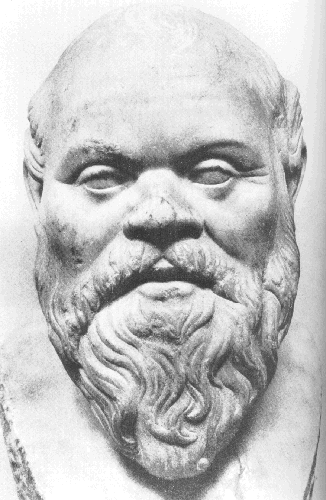
Key criteria and components
Several criteria have been proposed to account for personal identity through time. Commonly discussed candidates include:
- Bodily continuity: physical persistence of the same body.
- Psychological continuity: continuity of memories, personality traits, intentions, or consciousness.
- Memory criterion: retention of autobiographical memories linking stages of a life.
- Narrative identity: coherence of life as a self-authored story.
These accounts are often weighed against thought experiments that test intuitions about survival, responsibility, and moral standing.
Historical development
Debates about identity trace back to ancient and early modern thinkers who explored sameness and change. In contemporary philosophy, influential positions include the psychological-continuity theories associated with thinkers like John Locke, as well as critiques emphasizing bodily or physical criteria. Analytic philosophy has sharpened distinctions between personhood, identity, and persistence.
Social and narrative dimensions
Beyond metaphysical analyses, identity is examined as social and narrative phenomenon. Social identity theory and related approaches study how group affiliations, roles, and cultural narratives influence an individual's sense of self and public identity. Individuals often rely on a self-concept built from both internal memories and external recognition.
Importance and contemporary debates
Questions about identity matter for moral responsibility, legal accountability, medical ethics (e.g., dementia or brain injury), and personal autonomy. Ongoing debates probe whether identity is a strict metaphysical relation, an explanatory fiction, or a practical abstraction used in agency and law.
Related articles
Author
AlegsaOnline.com Identity (philosophy) Leandro Alegsa
URL: https://en.alegsaonline.com/art/46523