
I Wanna Have Your Babies
2007 pop single by Natasha Bedingfield; a tongue-in-cheek song about the urge to settle down, released from her second album and noted for its playful lyrics and mixed critical reception.
Overview
"I Wanna Have Your Babies" is a pop single performed by English singer Natasha Bedingfield. Released in 2007 as part of the campaign for her second studio album, the track adopts a conversational, tongue-in-cheek approach to the subject of wanting a long-term partner and starting a family. The song frames the narrator's inner monologue as she tries to resist imagining future children while meeting potential romantic partners. The artist's name is linked for reference: Natasha Bedingfield.
Image gallery
2 Images
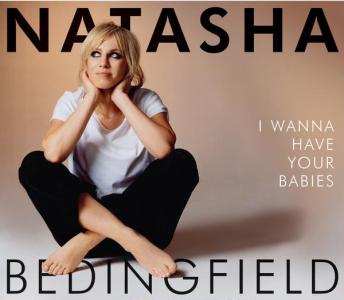
Music, lyrics and themes
The song blends mainstream pop production with a playful vocal delivery and a memorable chorus. Lyrically it deals with themes of desire for commitment, self-control, and the social pressure to find "Mr. Right." Rather than a literal proposal, the lyrics use exaggeration and humor to portray the tension between attraction and the impulse to plan a life too early. The central motif — imagining future babies — functions as a storytelling device rather than a clinical discussion of pregnancy.
Release and reception
Upon release the single attracted significant attention and polarized opinion. Fans and some reviewers praised its catchy hook and candid subject matter, while other critics considered the concept awkward compared with Bedingfield's earlier hits. Many reviews contrasted its lighter, comedic tone with the more earnest songwriting of her previous singles. Radio play and chart performance varied by region; the overall reaction marked the song as a memorable, if controversial, moment in her catalog.
Music video and promotion
The accompanying music video used comic vignettes to underline the song's theme, showing the singer in a series of awkward dating scenarios and near-miss encounters that emphasize the humorous side of pre-emptive family planning. Bedingfield promoted the track through televised performances and live appearances, bringing the song's narrative into staged interactions and interviews.
Context and legacy
"I Wanna Have Your Babies" is often discussed for its frank treatment of domestic longing within a mainstream pop format. It highlights how contemporary pop can address personal life goals with irony rather than straightforward sentimentality. While not universally acclaimed, the song broadened conversation about how female artists represent relationships and future planning in their music, and it remains a recognisable entry in Bedingfield's discography.
Notable facts
- The track served as a single from Bedingfield's follow-up album after her breakout hits earlier in the 2000s.
- Critical response was mixed, with commentary often focused on the lyrical conceit more than musical craftsmanship.
- Live performances emphasized the song's comedic narrative and were used to contextualize the lyrics in interviews and television spots.
Related articles
Author
AlegsaOnline.com I Wanna Have Your Babies Leandro Alegsa
URL: https://en.alegsaonline.com/art/46303