
I (Cyrillic letter И)
The Cyrillic letter И (uppercase И, lowercase и) represents a close front vowel and appears in many Slavic alphabets. Covers its shape, origins from Greek eta, typographic forms, and usage across languages.
The Cyrillic letter И (uppercase И, lowercase и) is one of the basic vowels in alphabets that use the Cyrillic script. It commonly represents a close front unrounded vowel similar to the sound spelled by Latin I in many languages. Visually it resembles a mirrored Latin N or a backwards N in many typefaces; see a typical shape reference here.
Image gallery
2 Images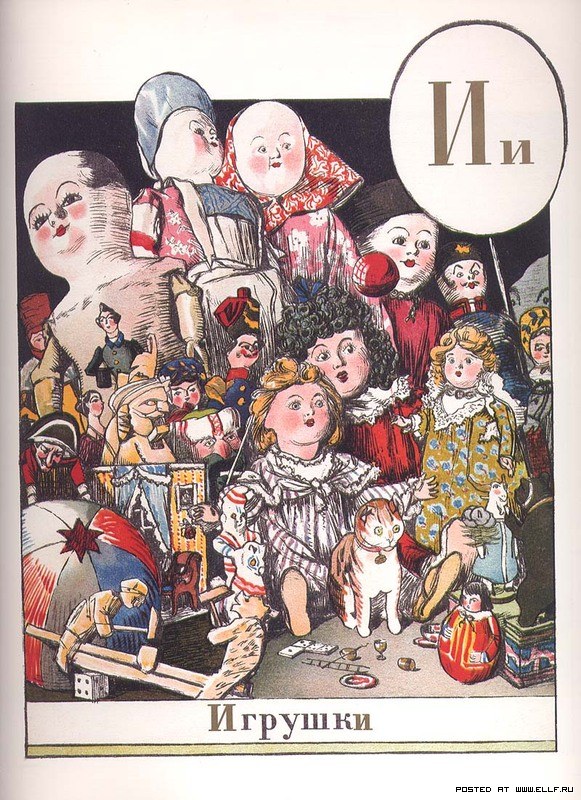
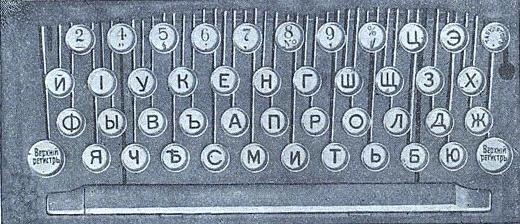
Appearance and typographic forms
In print the uppercase И is formed by three strokes (vertical, diagonal, vertical) and the lowercase и follows a reduced version of that shape. In many italic and cursive styles the lowercase can change shape slightly to suit connected handwriting or font design. The letter has historically had an older name, often rendered as izhe in older Slavonic traditions.
Historical origin
И developed from a Greek source: it traces back to the Greek letter eta and was adapted into early Cyrillic alphabets alongside other Greek-derived letters. Through this development it corresponds in value and function to the Roman I. In the early Cyrillic numeral system the letter also had a numeric value and was counted among the sequence of letters used as numbers.
Pronunciation and linguistic use
Across modern languages that use Cyrillic, И most often denotes the simple vowel /i/ (the close front unrounded vowel). The exact phonetic quality can vary by language and dialect. A separate but similar-looking letter, the so-called decimal I (І, і), exists in some alphabets and can represent a different vowel or a separate phonemic contrast.
Distribution by language
- Russian: uses И as the primary letter for the /i/ sound.
- Macedonian: И represents the same basic vowel in the modern orthography.
- Serbian: И is used in both Latin and Cyrillic forms of the language to mark the /i/ sound.
- Bulgarian: И functions as the standard close front vowel letter.
- Ukrainian and Church Slavonic: both historically make use of И and the separate letter І, maintaining distinctions that are important to each language's phonology and orthography.
Because several Cyrillic alphabets contain both И and І, typographers and linguists sometimes refer to the forms with qualifiers to avoid confusion. In everyday reading and writing the two letters are distinguished by context, spelling rules and pronunciation norms specific to each language.
Related articles
Author
AlegsaOnline.com I (Cyrillic letter И) Leandro Alegsa
URL: https://en.alegsaonline.com/art/46261