
Human Development Index (HDI): overview, components, uses and limitations
The Human Development Index (HDI) is a composite statistic published by the UNDP that ranks countries by human well‑being using health, education and income measures; it informs policy and comparison.
The Human Development Index (HDI) is a composite statistic used to provide a simple, comparable measure of long‑term human well‑being across countries. The index is reported on a scale from 0 to 1 — often cited as an 0–1 scale — with higher values indicating higher average human development. The HDI is published annually by the United Nations Development Programme and is commonly used to compare and rank national performance and to describe broad groupings such as developed and developing countries, as well as to track changes over time (country comparisons).
Image gallery
3 Images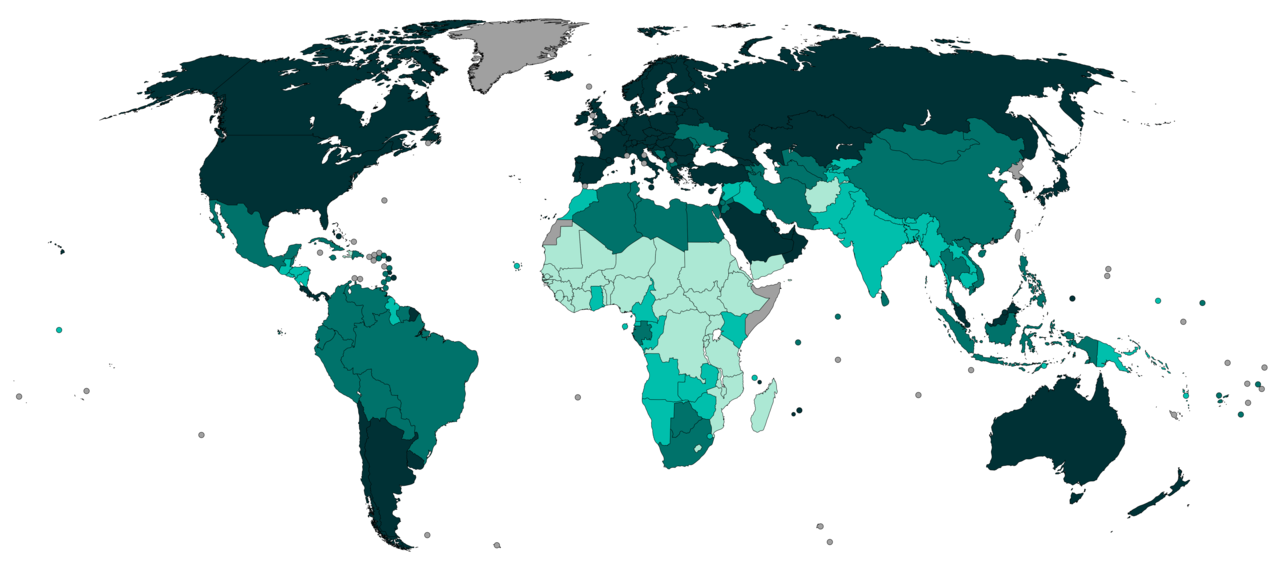


Core components and calculation
The HDI combines three fundamental dimensions of human development: long and healthy life, knowledge, and a decent standard of living. These dimensions are measured with standard indicators drawn from national and international statistics: life expectancy at birth (health), measures of educational attainment (knowledge), and a per‑person income measure adjusted for purchasing power (standard of living). The separate indicators are converted into dimension indices and then aggregated into the composite HDI value. For details of the specific indicators and methodological notes see official publications and data tables (measurement methods).
History and purpose
The HDI was introduced in the early 1990s to broaden development assessment beyond GDP per capita and to emphasize human outcomes rather than only economic output. It reflected the thinking of economists and development specialists who argued for placing people at the center of development evaluation. The annual Human Development Report accompanying the index aims to inform policy debates, highlight disparities and encourage investment in health, education and inclusive economic policies.
Uses, examples and related indices
- Policy and advocacy: governments and international agencies use HDI rankings to prioritize programs and to communicate development challenges.
- Comparisons: researchers and journalists use the index for cross‑country comparisons and trend analysis; however, such comparisons require attention to data quality and context (country comparisons).
- Complementary measures: because the standard HDI does not capture distributional effects, related metrics such as the Inequality‑adjusted HDI, Gender Development Index, and the Multidimensional Poverty Index have been developed to illuminate gaps and overlapping deprivations (population and social breakdowns).
Limitations and notable points
The HDI is a useful summary but has limits. It reduces complex realities to a single number, so it cannot reflect internal inequalities, environmental sustainability, political freedom or cultural values on its own. Data availability and the choice of indicators affect rankings and trends. Users should treat the HDI as one tool among many for assessing human progress and consult specialized indicators and country studies where finer detail is required (measurement methods, scale interpretation).
Author
AlegsaOnline.com Human Development Index (HDI): overview, components, uses and limitations Leandro Alegsa
URL: https://en.alegsaonline.com/art/45647
Sources
- doi.org : 10.1111/j.1468-0297.2010.02408.x
- economist.com : "UNDP Human Development Report Office's comments"
- economist.com : "The Economist (pages 60–61 in the issue of Jan 8, 2011)"
- econlog.econlib.org : Against the Human Development Index
- hdr.undp.org : 2011 Human Development Index