
Hugo Boss: history, brands, products and global presence
Overview of Hugo Boss, the German fashion house founded in 1924, its product lines BOSS and HUGO, historical background, retail expansion, cultural activities and engagement with its wartime legacy.
Hugo Boss is a German fashion house founded in 1924 and headquartered in Metzingen. The company is widely known for tailored menswear, womenswear, accessories and fragrances and operates internationally under its BOSS and HUGO labels. For official corporate information and brand descriptions see the company overview: brand overview.
Image gallery
5 Images


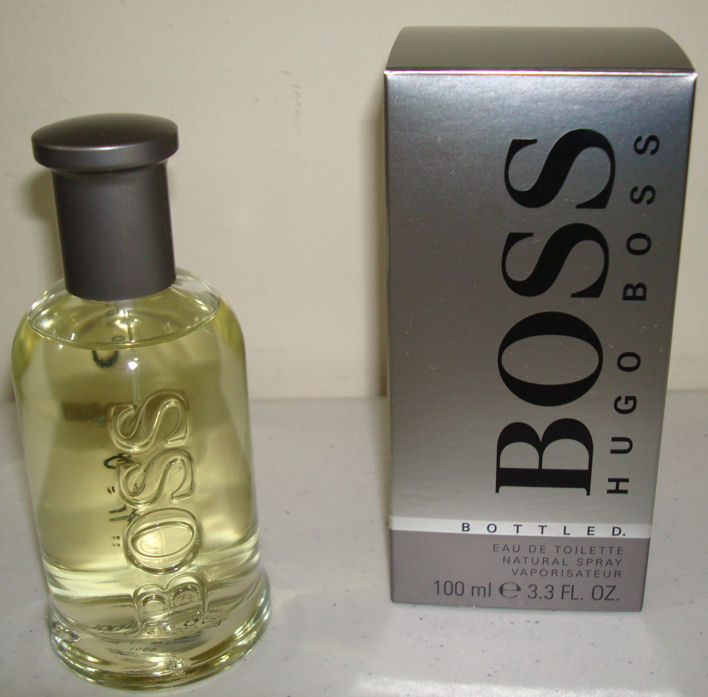

Brand structure and products
Hugo Boss traditionally organizes its output under the BOSS and HUGO sub-brands. BOSS typically denotes classic and tailored garments such as suits, shirts and formal outerwear, while HUGO is positioned toward younger, fashion-forward collections. The broader product range includes:
- Tailored suits, shirts and business wear
- Casualwear, knitwear and denim
- Footwear, leather goods and bags
- Fragrances and licensed accessories
Products are distributed through a mix of company-owned boutiques, franchised stores, department store partnerships and e-commerce channels.
Historical background
The enterprise was established by Hugo Boss in 1924; biographical and founding details are discussed in many company histories and biographies: founder biography. In the 1930s — a period that saw the rise of the Nazi Party in Germany — the company produced uniforms for a range of German organizations. After World War II and following the founder's death, the firm gradually refocused on civilian clothing, particularly men's suits, laying the groundwork for its postwar development and international expansion. Hugo Boss became a publicly traded company in the late 20th century and later expanded its retail network worldwide.
Retail presence and operations
Hugo Boss operates a substantial global retail network that combines flagship boutiques, outlet stores and wholesale relationships. The brand's headquarters town of Metzingen is known both for the corporate site and for outlet shopping that attracts international visitors: Metzingen. At certain points the company reported operating well over one thousand retail locations worldwide, reflecting its position as a major contemporary fashion group.
Cultural engagement and reputation
Beyond fashion, Hugo Boss has engaged in cultural sponsorship and awards programs. The company is associated with the Hugo Boss Prize, administered in partnership with a major museum foundation, an initiative that highlights contemporary art and artists. The brand's public image rests on its tailored menswear heritage, high-profile advertising and collaborations with designers and cultural institutions.
Controversies and corporate responsibility
The company's production of uniforms during the 1930s and wartime years remains a subject of scholarly research and public discussion. In recent decades, Hugo Boss has engaged with historians, archival records and public scrutiny to address that past. The firm also publishes corporate reports outlining business strategy, sustainability efforts and social responsibility measures, and these are available through official communications: corporate reports.
For further reading on historical context, corporate activities and current product lines consult museum partnerships and official sources: historical context, postwar developments and corporate or regional pages: founder biography.
Hugo Boss's development from a small regional manufacturer to a global fashion brand illustrates broader 20th-century shifts in European industry, consumer markets and the fashion business, while ongoing research and public engagement continue to shape the company's contemporary identity.
Related articles
Author
AlegsaOnline.com Hugo Boss: history, brands, products and global presence Leandro Alegsa
URL: https://en.alegsaonline.com/art/45592
Sources
- annualreport-2018.hugoboss.com : "Hugo Boss Annual Report 2018"
- statista.com : "Number of Hugo Boss stores worldwide 2009-2018"