
Hua Mulan: Legendary Chinese Warrior and Cultural Icon
An overview of Hua Mulan, the heroine of the Ballad of Mulan: origins, narrative elements, cultural impact, and scholarly debate over historicity and legacy.
Overview
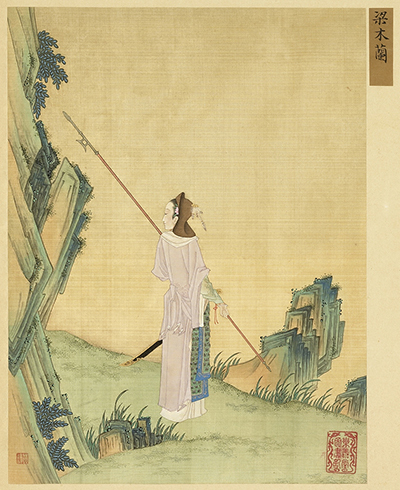
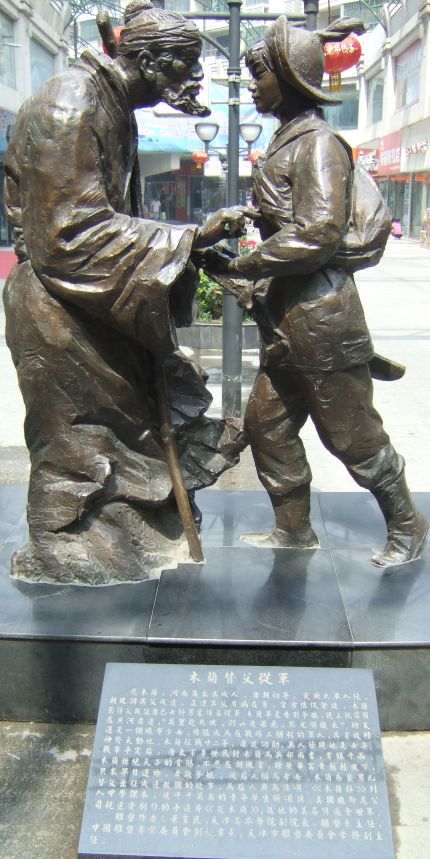
Hua Mulan (花木蘭) is a prominent figure in Chinese storytelling, known as a woman who took her elderly father's place to serve in the army. Her story appears in a short medieval poem and has circulated in many versions across centuries. Mulan's tale is widely cited for its exploration of filial duty, gender roles, and personal courage, and it remains a potent cultural symbol in East Asia and beyond.
Image gallery
5 Images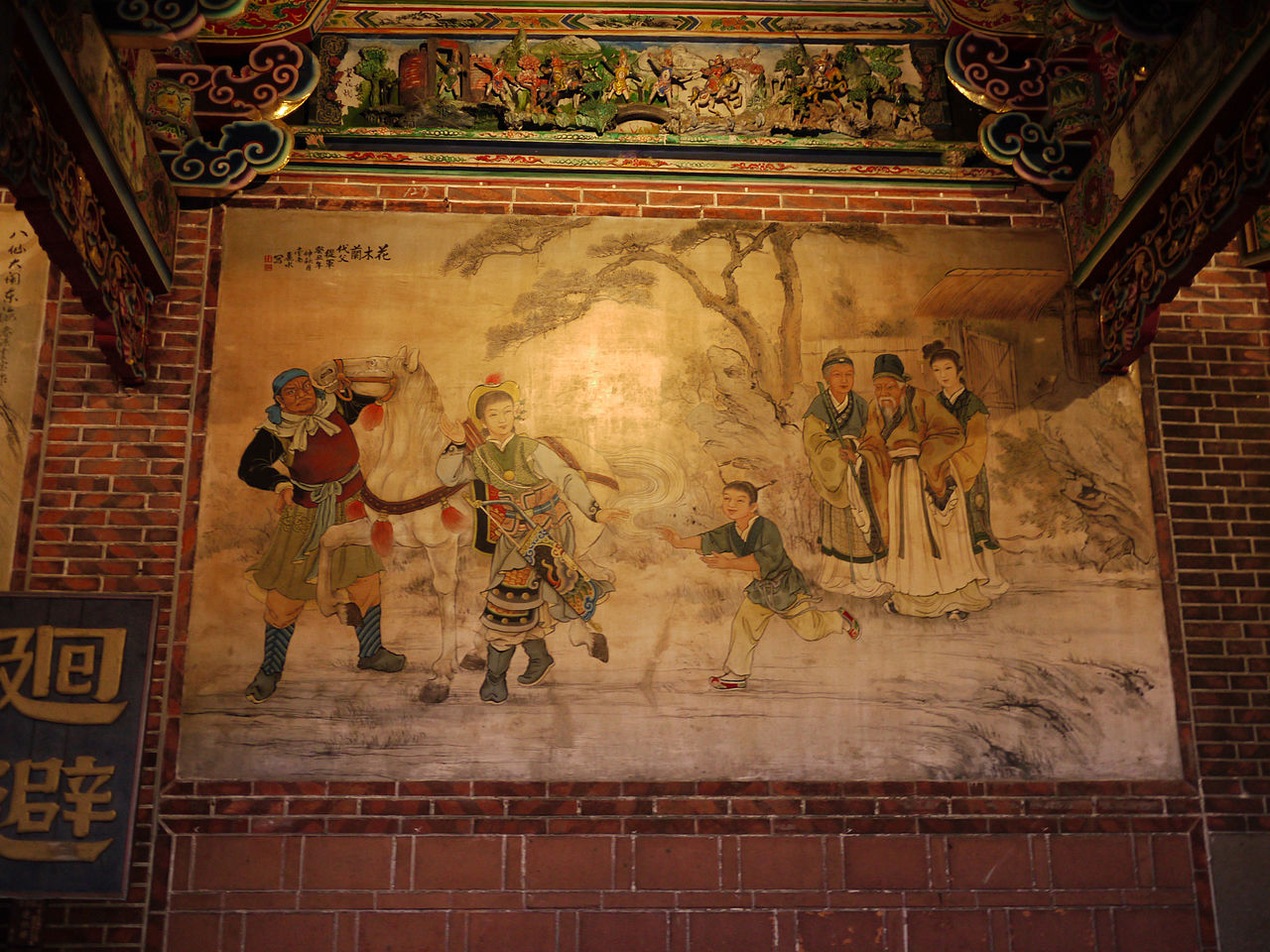


Origins and primary source
The earliest surviving account of the story appears in a vernacular poem commonly called the Ballad of Mulan. Scholars generally place this text in the early medieval period and connect it with turbulent eras in China's frontier history. The ballad is brief and lyrical, leaving many details open to interpretation; later storytellers expanded and adapted the episode into dramatic, prose, and operatic forms.
The legend summarized
In the traditional narrative a young woman disguises herself as a man to enlist in place of her sick or elderly father. She is portrayed as skilled in combat and military life—trained in techniques that might be described broadly as martial arts—and adept with weapons such as the sword. After serving honorably and often for many years, she declines public reward and returns to civilian life, revealing her identity only afterward. Different retellings vary in tone and outcome, but the core motifs of loyalty and concealment remain consistent.
Themes and characteristics
- Filial piety: substitution for an ailing parent is central to Mulan's motive.
- Gender and disguise: the story questions and dramatizes the boundaries of male and female social roles.
- Military valor: Mulan is shown as competent and courageous in battle and leadership.
- Modesty and refusal of reward: many versions emphasize her humility on returning home.
Cultural influence and adaptations
The Mulan tale has inspired countless adaptations across literature, opera, stage plays, and film; it functions as both folk legend and subject for modern reinterpretation. Authors and artists have reshaped the story to reflect changing views about gender, nationalism, and individual duty. International audiences became especially familiar with popular screen and stage adaptations that draw on the traditional motifs while altering details for new contexts.
Historicity and scholarly perspective
While Mulan is deeply rooted in cultural memory, historians treat her as a legendary figure rather than a clearly documented historical person. The lack of contemporary records and the poem's poetic, non-chronological form mean that her existence cannot be confirmed. Nonetheless, the story offers valuable insight into societal ideals and the ways narratives evolve; it continues to be studied for its literary qualities and its role in cultural identity. For further reading and primary texts see links on the ballad and linguistic sources: name and characters, China, historical context, and commentary resources at martial traditions and weaponry.
Related articles
Author
AlegsaOnline.com Hua Mulan: Legendary Chinese Warrior and Cultural Icon Leandro Alegsa
URL: https://en.alegsaonline.com/art/45481