
Host (biology): organism that supports parasites and symbionts
An organism that harbors another organism (parasite, mutualist, or commensal), providing habitat, nutrients, or a site for reproduction. Includes definitive, intermediate, reservoir, and accidental hosts.
Host in biology denotes an organism that provides living space, nutrients, or reproductive sites for another organism. Hosts occur across all kingdoms of life: animals, plants, fungi and microbes can serve as hosts to parasites, mutualists, commensals and pathogens. The relationship ranges from harmful (parasitism) to beneficial (mutualism) and often shapes the ecology and evolution of both partners.
Image gallery
5 Images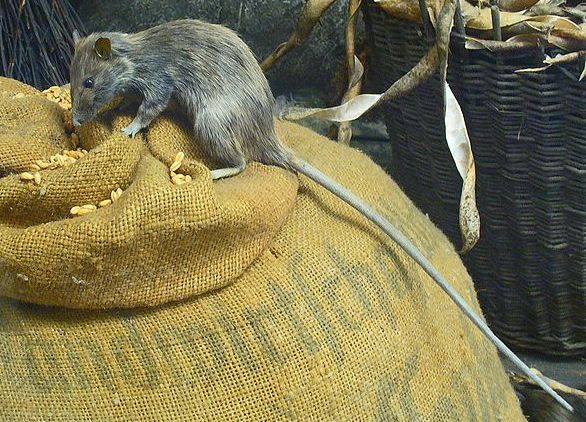


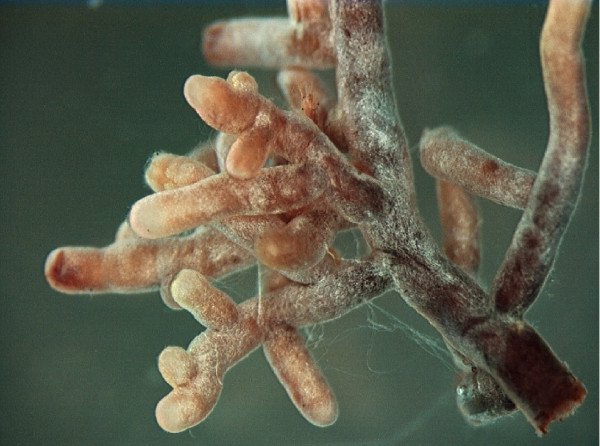

Characteristics and roles
A host typically supplies one or more of the following: shelter, food, transport, or a site for development or reproduction. Hosts may be transient or long-term and can be affected to varying degrees. Some hosts tolerate their associates without obvious harm, while others suffer disease, reduced fitness, or death. The degree of specificity — how many different species can act as host — varies widely.
Common types of hosts
- Definitive host: where a parasite reaches sexual maturity.
- Intermediate host: supports immature stages or asexual reproduction.
- Reservoir host: maintains a pathogen in nature and can transmit it to other hosts.
- Accidental (or dead-end) host: infected incidentally and usually does not transmit the parasite onward.
These categories are used in parasitology and disease ecology to describe life cycles and transmission pathways. For definitions and general reading see host (definition).
Ecological and medical importance
Hosts are central to understanding infectious disease, agriculture pests and beneficial partnerships such as pollinators or mycorrhizal fungi. Human health is especially affected when humans act as hosts for viruses, bacteria, protozoa or helminths — a dynamic underlying outbreaks, zoonoses and chronic infections. In conservation and farming, managing host populations can control pests and diseases.
Notable concepts linked to hosts include host specificity (how selective a parasite is for hosts), coevolution (reciprocal evolutionary change), and host switching (when a parasite begins using a new host species). Distinguishing parasitism from commensalism and mutualism clarifies whether the host is harmed, unaffected, or benefits from the association.
Examples range from humans hosting influenza viruses and tapeworms, to plants hosting nitrogen-fixing bacteria or fungal pathogens. Understanding hosts and their roles remains essential across biology, medicine and environmental management.
Related articles
Author
AlegsaOnline.com Host (biology): organism that supports parasites and symbionts Leandro Alegsa
URL: https://en.alegsaonline.com/art/45202