
Human genome
Comprehensive overview of the human genome: structure, major sequencing efforts, functional elements, variation, medical applications and ongoing research into noncoding regions and genome organization.
Overview
The human genome is the complete set of hereditary information in Homo sapiens. Most of this information is encoded by DNA packaged into 23 pairs of chromosomes in the cell nucleus, together with a small circular genome in mitochondria (mitochondrial DNA). The nuclear genome contains on the order of three billion base pairs and tens of thousands of genes and other functional elements; estimates of protein-coding genes are commonly given in the range of roughly 20,000–25,000. Researchers use one or more reference assemblies as standards for analysis, but individual genomes vary in sequence and structure.
Image gallery
5 Images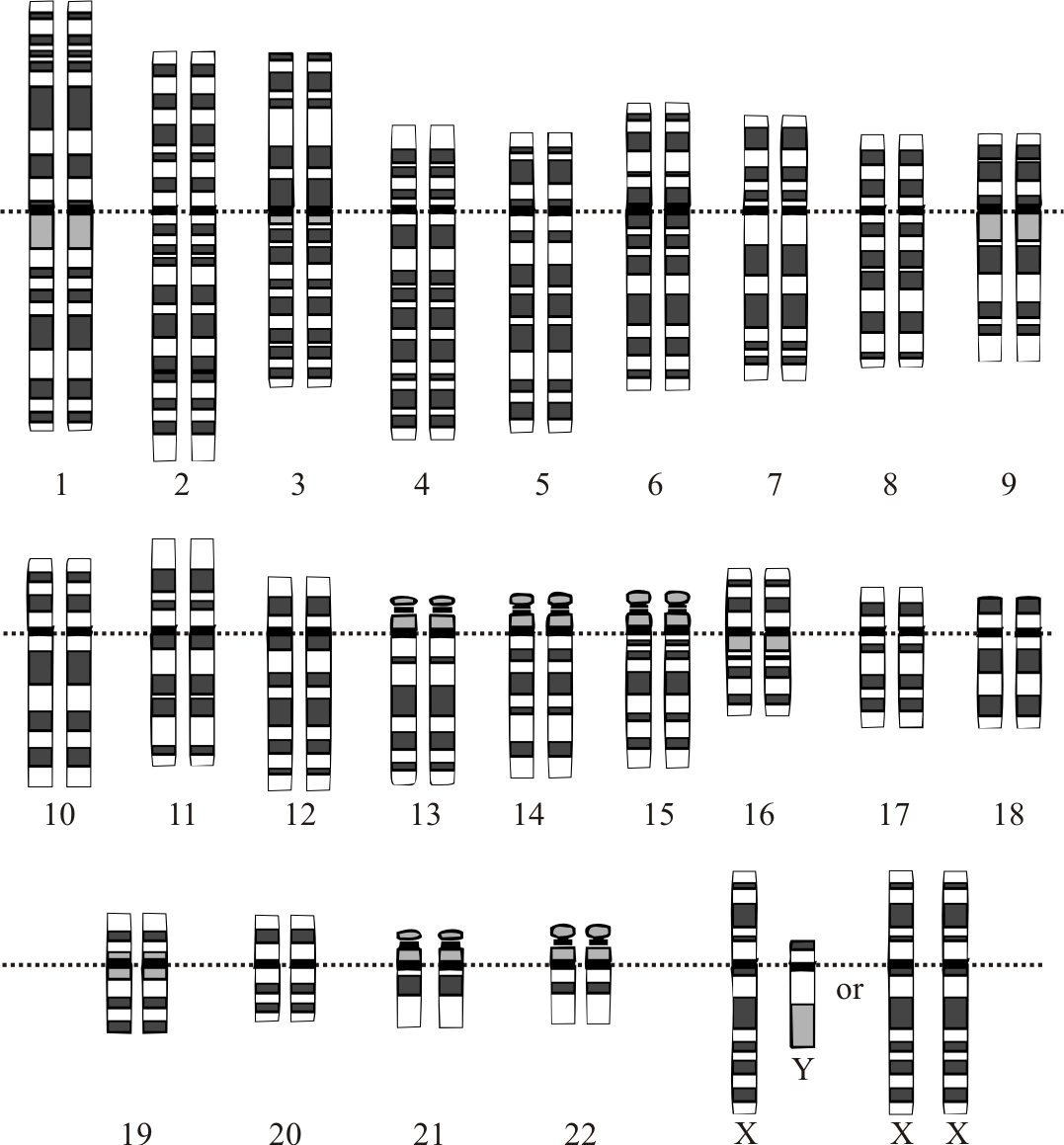


Components and organization
The genome contains multiple classes of sequences. Protein-coding genes occupy only a minority of the total DNA; the remainder includes regulatory regions, noncoding RNA genes, repeated elements, and large structural regions such as centromeres and telomeres. Regulatory elements such as promoters, enhancers and silencers control gene expression in time and space. Noncoding RNAs — including microRNAs and long noncoding RNAs — perform diverse roles in regulation and cellular function. Chromosome organization in three dimensions within the nucleus influences which elements can interact, and epigenetic mechanisms such as DNA methylation and histone modification modulate activity and inheritance of expression states (epigenetic regulation).
Major sequencing efforts and resources
Large-scale efforts have provided the basic reference sequences and maps used worldwide. The publicly funded Human Genome Project produced a widely used reference and key analyses reported in venues such as Nature, while a contemporaneous private effort led by Celera published complementary results in Science and related outlets; both efforts helped define the first drafts of the human sequence and stimulated further improvements. Later projects and consortia built richer resources: functional maps produced by initiatives like ENCODE annotate regulatory elements, and more recent assemblies have closed many remaining gaps, producing near-complete, telomere-to-telomere representations for particular samples.
Genomic variation and population studies
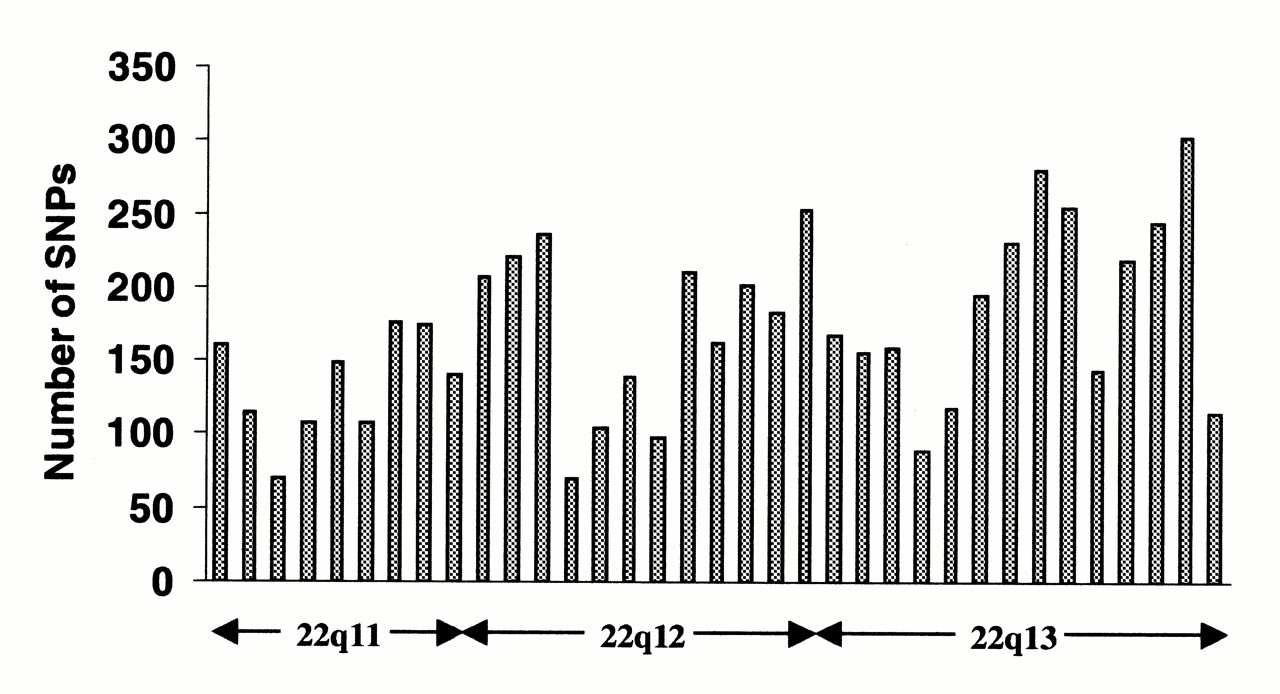
Individuals differ from the reference by single-nucleotide variants, insertions and deletions, copy-number differences and larger structural rearrangements. Population sequencing projects and aggregated reference databases catalog common and rare variants to support research and clinical interpretation. Understanding the distribution of variation across populations is essential for accurate diagnosis and for studying human evolution, migration and disease susceptibility.
Biomedical applications
Knowledge of the genome underpins genetic testing, newborn screening, carrier screening, prenatal diagnosis and cancer genomics. Sequencing patient genomes or exomes can identify variants that explain rare diseases or inform treatment decisions in oncology and pharmacogenomics. Functional studies, often using genome editing tools, connect sequence variation to cellular consequences and therapeutic targets.
Functional genomics and regulatory biology
Projects that combine biochemical assays, transcriptomics, chromatin mapping and three-dimensional conformation capture aim to move from sequence to function. The ENCODE effort and many follow-up studies map where transcription factors bind, which regions are accessible, and how chromatin state correlates with activity. These resources help interpret noncoding variants and identify elements that control development, homeostasis and disease.
Ethics, challenges and future directions
Despite a largely complete sequence, many challenges remain: assigning function to noncoding regions, interpreting variants of uncertain significance, resolving repetitive or structurally complex regions in diverse genomes, and ensuring that reference resources represent global human diversity. Ethical, legal and social issues about privacy, data sharing and equitable access shape how genomic information is used in research and medicine. Ongoing work by academic groups, clinical laboratories and international consortia continues to refine reference assemblies, expand population sampling, and translate genomic knowledge into health care and a deeper understanding of human biology (project histories, overview resources, cell biology texts, mitochondrial studies, chromosome guides, journal collections, historic publications, gene regulation summaries, functional maps, epigenetics introductions).
Questions and answers
Q: Where is the human genome stored?
A: The human genome is stored on 23 chromosome pairs in the cell nucleus and in the small mitochondrial DNA.
Q: What is now known about the sequences of DNA on our chromosomes?
A: A great deal is now known about the sequences of DNA on our chromosomes.
Q: What is the Human Genome Project?
A: The Human Genome Project (HGP) is a project that produced a reference sequence of the human genome.
Q: What is the percentage of the sequence that has been filled in according to improved drafts?
A: Improved drafts announced in 2003 and 2005 filled in to ≈92% of the sequence.
Q: What is the latest project studying the way genes are controlled?
A: The latest project, ENCODE, studies the way genes are controlled.
Q: Although the sequence of the human genome has been completely determined, is it fully understood?
A: No, the sequence of the human genome is not yet fully understood.
Q: What does noncoding DNA do within the genome?
A: Noncoding DNA within the genome does important things like regulating gene expression, organization of chromosomes, and signals controlling epigenetic inheritance.
Related articles
Author
AlegsaOnline.com Human genome Leandro Alegsa
URL: https://en.alegsaonline.com/art/45651
Sources
- nature.com : "Initial sequencing and analysis of the human genome"
- doi.org : 10.1038/35057062
- pubmed.ncbi.nlm.nih.gov : 11237011
- sciencemag.org : "The sequence of the human genome"
- ui.adsabs.harvard.edu : 2001Sci...291.1304V
- doi.org : 10.1126/science.1058040
- pubmed.ncbi.nlm.nih.gov : 11181995
- nature.com : nature.com/articles/489046a?error=cookies_not_supported&code=d4894f7c-6c0e-44a7-aa48-3d32…
- bbc.co.uk : bbc.co.uk/news/health-19202141
- ui.adsabs.harvard.edu : 2004Natur.431..931H
- doi.org : 10.1038/nature03001
- pubmed.ncbi.nlm.nih.gov : 15496913
- nature.com : nature.com/articles/nature03001?error=cookies_not_supported&code=20c2dd82-9871-4421-b41a-…
- doi.org : 10.1126/science.337.6099.1159