
Human biology: form, function, variation and evolution of Homo sapiens
Survey of human biology: scope, major subfields, methods, history, applications (public health, anthropology, medicine) and distinctions from related disciplines.
Overview
Human biology is the multidisciplinary study of the biological aspects of people, including anatomy, physiology, growth, population variation and the interaction of biology with environment and culture. It stands at the intersection of general biology, clinical medicine and biological anthropology, and it draws on comparative work with other primate species to provide evolutionary context. Unlike clinical practice, which typically treats individual patients, human biology emphasizes population-level patterns, life-course processes and the evolutionary origins of human traits.
Image gallery
2 Images
Core topics
Major areas of inquiry include genetics and population structure, human growth and development, physiological adaptation to environments, and the distribution and determinants of disease. Studies of genetic variation examine how allele frequencies differ among populations and how those differences affect traits and susceptibility to illness. Research into environmental influences considers factors such as climate, altitude, diet and infectious exposure. Work on disease risk addresses both degenerative disease and infectious conditions, often with a public-health orientation.
- Growth and development: prenatal development, childhood growth, adolescence and aging.
- Physiological ecology: how humans maintain homeostasis and adapt to thermal, hypoxic or dietary stress.
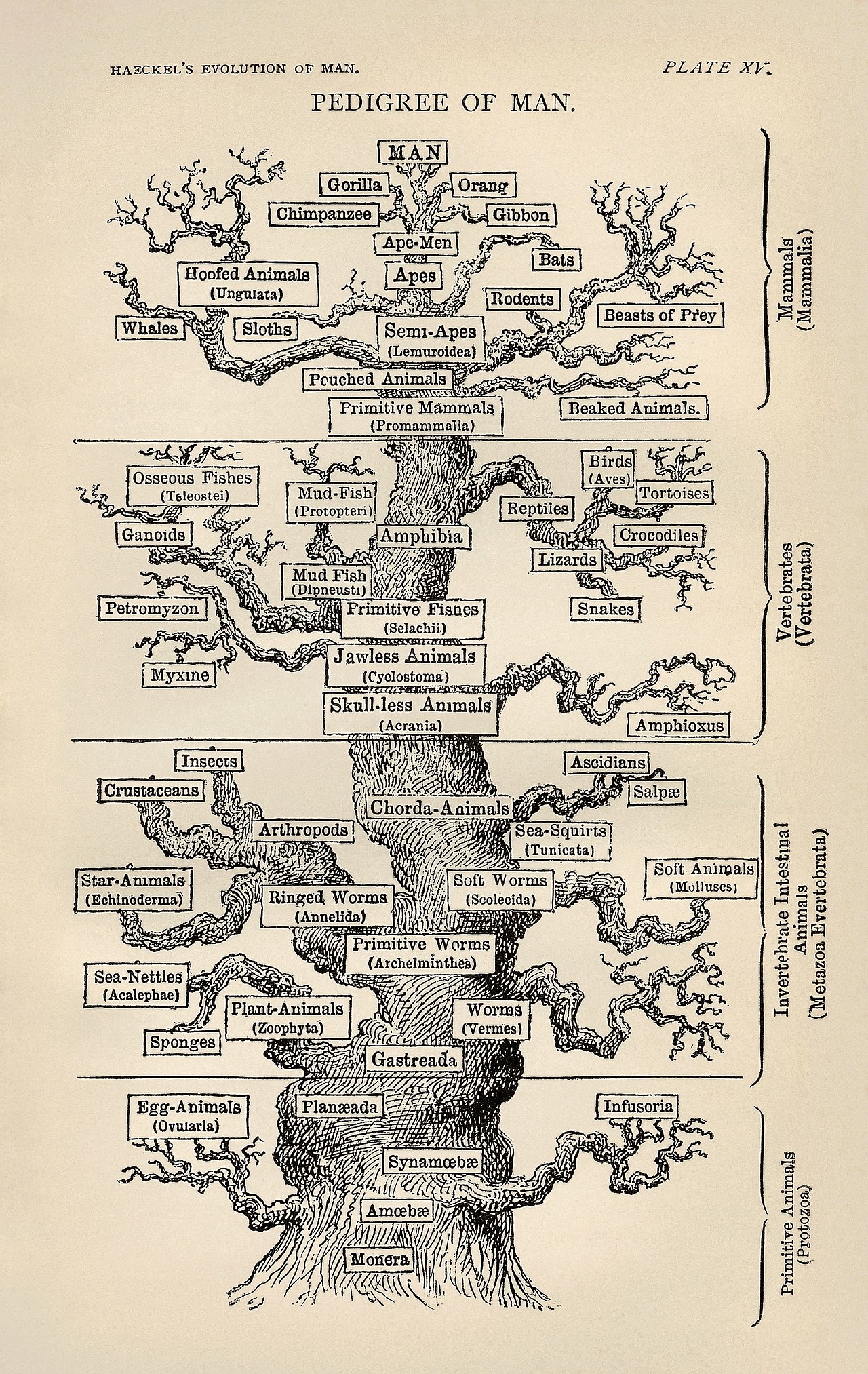
- Evolutionary biology: origins of human features such as bipedalism, brain expansion and life-history traits, informed by evolutionary theory and comparative data.
- Adaptation and plasticity: short-term acclimatization and long-term adaptation across environments.
- Population genetics: gene flow, drift and selection shaping human diversity (population genetics).
Methods and approaches
Human biology employs field surveys, clinical measurements, laboratory assays and statistical modeling. Typical methods include anthropometry (body measurements), biochemical assays, genomic sequencing, epidemiological studies and comparative analyses with nonhuman primates. Interdisciplinary work integrates cultural and social data so that biological measures are interpreted alongside behavior, subsistence and socioeconomic context.
History and development
The field evolved from descriptive anatomy and early physiological research into a quantitative discipline as genetics, molecular biology and epidemiology matured in the 20th century. The integration of population-based sampling, standardized growth references and molecular tools broadened the scope from individual pathology to population processes and evolutionary explanations.
Applications and examples
Applied outcomes include improved public-health policy, nutrition programs tailored to life stages, forensic identification techniques and insight into how past selection and recent demographic events shape contemporary health. Classic research examples link genetic variants to diet-related traits, document physiological adaptations to high altitude, and map patterns of infectious-disease susceptibility across populations. These findings support vaccination strategies, occupational health guidance and targeted interventions in diverse communities.
Relation to other disciplines and ethics
Human biology overlaps with clinical medicine, epidemiology, public health, and social and cultural anthropology. Its particular emphasis on populations, variation and evolutionary processes distinguishes it from biomedical studies focused on individual diagnosis and treatment. Ethical considerations are central: research must ensure informed consent, protect genetic and health privacy, avoid stigmatizing groups, and communicate findings responsibly to prevent misuse of population data.
Further reading and resources
Introductory and disciplinary links provide entry points to related areas: general biology, clinical medicine, studies of humans, comparative primate biology, research on genetic variation, environmental influences like climate, investigations of degenerative disease, and conceptual frameworks in evolution, adaptation and population genetics.
Questions and answers
Q: What is human biology?
A: Human biology is a field of study that investigates biological and medical aspects related to humans and their evolution, genetics, and physical development, among other areas of research.
Q: What are the subjects that are studied in human biology?
A: Human biology includes the study of genetic differences among human populations, biological variations resulting from environmental factors, disease risk factors for diverse groups of people, and human growth and development.
Q: How is human biology related to other fields of study?
A: Human biology is closely related to biological anthropology, medicine, and primate biology, among other disciplines that focus on the biological aspects of human existence and its relationship to other living beings.
Q: What is the difference between human biology and regular medical research?
A: While there are no strict boundaries between human biology and medical research, human biology tends to be more interested in group health and evolution, population genetics, and adaptation, whereas medical research typically focuses more on individual health and disease treatments.
Q: What are some research topics that are explored in human biology?
A: Human biology research topics encompass a range of areas, such as analyzing genetic differences between populations, detecting biological variations due to environmental factors, identifying disease susceptibility patterns in diverse groups, and examining human physical growth and development.
Q: How can human biology research contribute to medical discoveries?
A: By studying human biology aspects such as population genetics, environmental factors, and developmental processes, researchers can gain insights into the causes and treatments of various diseases and medical conditions.
Q: What is the importance of human biology research in our understanding of human existence?
A: Human biology research provides a comprehensive view of human biology, evolution, and health, deepening our understanding of our species and its interactions with various factors, including the environment, genes, and other living beings.
Related articles
Author
AlegsaOnline.com Human biology: form, function, variation and evolution of Homo sapiens Leandro Alegsa
URL: https://en.alegsaonline.com/art/45640