
Ans, Liège — municipality in Wallonia, Belgium
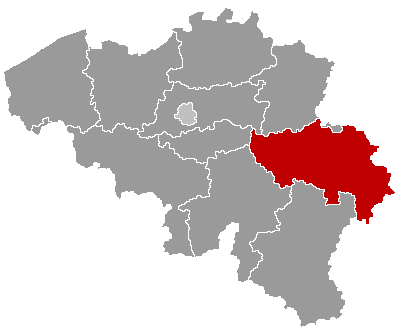
Ans is a Belgian municipality in the province of Liège, located near the city of Liège. It had about 27,416 inhabitants in 2007 and lies at approximately 50°39′N, 5°31′E.

Ans is a town and municipality in Belgium, situated in the French-speaking region of Wallonia. Administratively it belongs to the province of Liège and forms part of the urban area surrounding the city of Liège. The municipality had 27,416 inhabitants in 2007. Its geographic coordinates are roughly 50°39′ North latitude and 5°31′ East longitude.

Image gallery
2 Images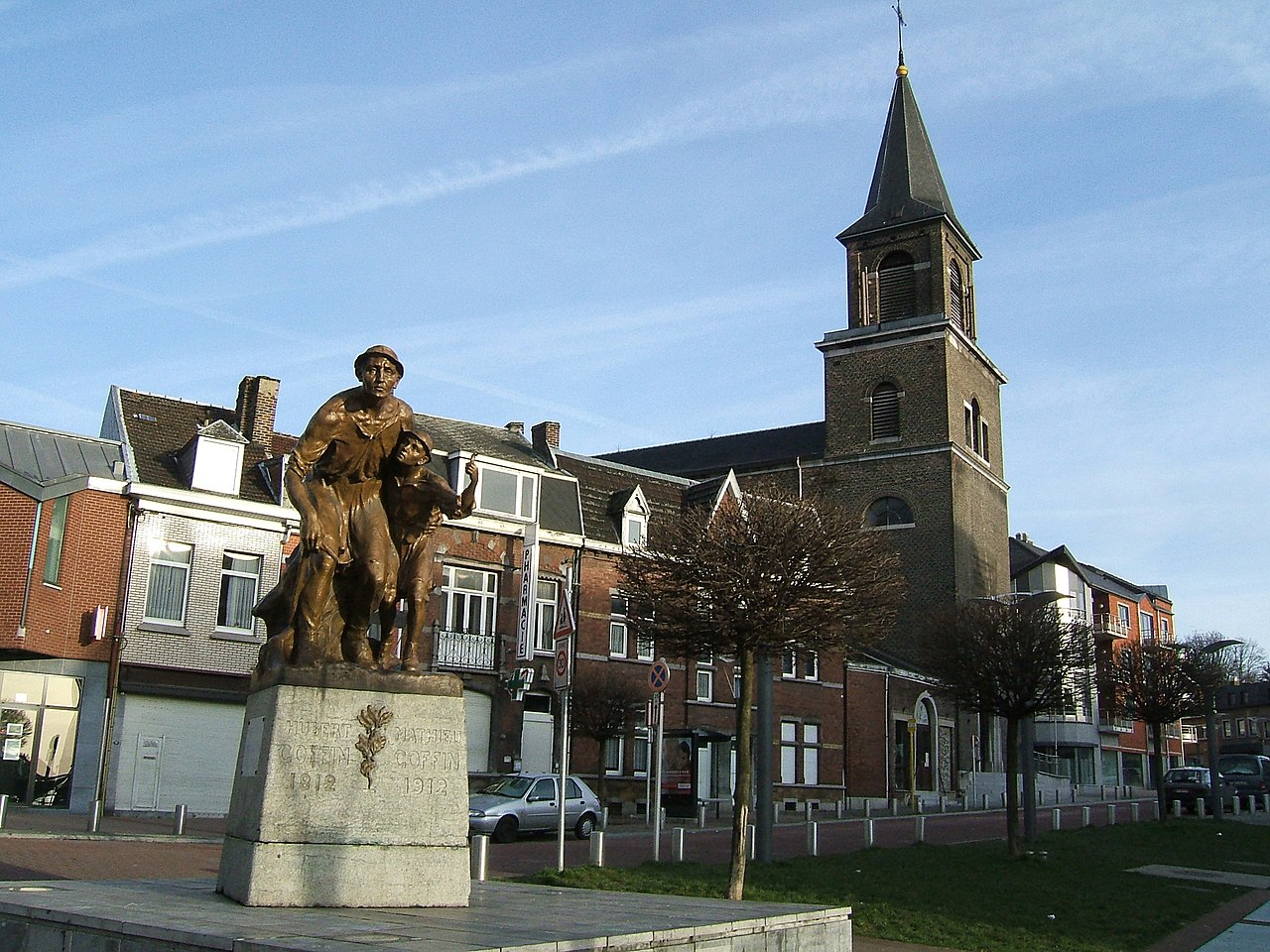
Geography and demography
Ans lies adjacent to the city of Liège and functions largely as a suburban and residential area within the greater Liège conurbation. The landscape mixes built-up neighbourhoods with patches of green space and smaller commercial zones. Population figures have fluctuated with urban development and commuting patterns; the 2007 census figure provides a point of reference for its size in the early 21st century.
History and development
The locality developed from earlier village settlements into a municipal centre tied economically and socially to nearby Liège. Over time it absorbed residential growth from the expanding city and adapted local services and infrastructure to meet commuter needs. Like many Belgian municipalities, Ans reflects a layering of local tradition with modern suburban growth.
Economy, transport and services
Ans functions as a commuter base for people working in Liège and surrounding industrial areas. It is served by regional roads and public transport connections that link residents to central Liège, employment centres and intercity rail hubs. Local shops, schools and community services support daily life, while small businesses and light industry contribute to the municipal economy.
Culture, landmarks and notable facts
The town hosts local cultural associations, places of worship and annual community events typical of Walloon municipalities. Points of interest are primarily civic and local: municipal buildings, parks and neighbourhood churches rather than major tourist monuments. Ans is often mentioned in regional planning as part of the Liège metropolitan area and is notable for its role in the suburban structure of eastern Belgium.
Further information
- General municipal information: official municipality page.
- Context within Belgium and Wallonia: about Belgium/Wallonia.
- Details on the province: province of Liège.
- Regional connections and urban area: city of Liège.
Tags
Related articles
Author
AlegsaOnline.com Ans, Liège — municipality in Wallonia, Belgium Leandro Alegsa
URL: https://en.alegsaonline.com/art/4516
Sources
- statbel.fgov.be : Werkelijke bevolking per gemeente op 1 januari 2007 / Population de droit par commune au 1 janvier 2007 (.xls)
- statbel.fgov.be : Geografische coördinaten van de gemeenten (.xls)