
Bernissart (Hainaut, Belgium)
Bernissart is a municipality in Hainaut, Wallonia, Belgium, noted for 19th‑century Iguanodon fossil discoveries in a coal mine. Population about 11,500 (2007); coordinates 50°28′N 3°39′E.

Bernissart is a municipality in the Walloon region of Belgium. It lies in the province of Hainaut and is administered as a local municipality. The town is located at approximately 50°28′N, 3°39′E and had a population of about 11,513 in 2007. Settlements here combine small-town residential areas with traces of the region's industrial past.
Image gallery
10 Images

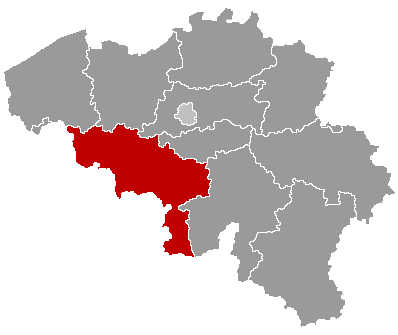


Overview
Bernissart forms part of the historic coal-mining territory of Wallonia. The landscape includes former mining works, agricultural land and village centres. Local government provides municipal services, and community life mixes heritage commemoration with everyday commerce and rural activities.
History and paleontological importance

Bernissart is best known internationally for a major paleontological discovery in the late 19th century. During coal-mining operations, numerous well-preserved skeletons of Iguanodon were recovered from an underground site. The finds prompted detailed scientific study and public displays, influencing early reconstructions of dinosaurs and stimulating interest in Belgian natural history collections.
Economy, culture and transport
The local economy shifted after the decline of deep coal mining; many towns in the area transitioned toward light industry, services and agriculture. Cultural life places emphasis on regional heritage linked to mining and geology, with local museums and educational exhibits that reference the district's fossil record.
Notable facts
- Fossil discoveries in Bernissart were pivotal for 19th‑century palaeontology and helped populate national museum collections.
- The municipality retains visible reminders of its mining era alongside modern developments.
- Coordinates and population figures are frequently cited in demographic and geographic references.
Tags
Related articles
Author
AlegsaOnline.com Bernissart (Hainaut, Belgium) Leandro Alegsa
URL: https://en.alegsaonline.com/art/10860
Sources
- statbel.fgov.be : Werkelijke bevolking per gemeente op 1 januari 2007 / Population de droit par commune au 1 janvier 2007 (.xls)
- statbel.fgov.be : Geografische coördinaten van de gemeenten (.xls)
- commons.wikimedia.org : Bernissart