
Hohenstein‑Ernstthal: history, features and notable people
Hohenstein‑Ernstthal is a town in the Zwickau district of Saxony, Germany, formed in 1898. It grew around nearby silver mining, is the birthplace of writer Karl May, and lies near the Sachsenring racing circuit.
Overview
Hohenstein‑Ernstthal is a small town in the Zwickau rural district in the Free State of Saxony in eastern Germany. The modern municipality combines two formerly independent settlements, Hohenstein and Ernstthal, which were administratively united at the end of the 19th century. Local references often use the hyphenated form of the name or simply call the place Hohenstein; for administrative and regional information see the district page.
Image gallery
3 Images

Structure and character
The town preserves features typical of Saxon small towns: a compact historic core, residential quarters that developed around industry and mining, and surrounding agricultural land. The dual heritage of Hohenstein and Ernstthal remains visible in street patterns and local place names. The combined name is commonly written with a hyphen; more on the hyphenated form and local usage can be found here. Public life includes municipal services, small businesses and cultural institutions that serve both residents and the nearby region.
History and economic development
Hohenstein‑Ernstthal expanded notably from the late medieval period after the discovery of silver deposits in the vicinity. The exploitation of these ores encouraged mining‑related settlement, crafts and trade that shaped the town’s early growth. Over subsequent centuries the local economy diversified as mining declined and manufacturing, crafts and services became more prominent. The formal union of the two towns in 1898 created a single municipal identity and guided later urban planning and civic investment. For background on the mining that influenced the area, see silver mining.
Notable people and cultural life
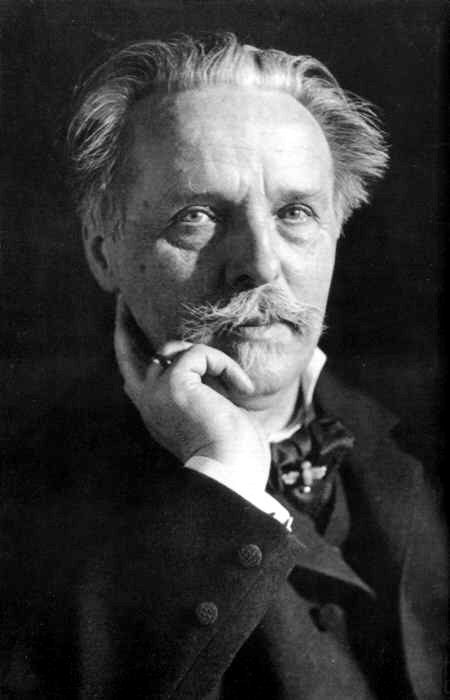
Ernstthal is best known as the birthplace of the popular adventure writer Karl May; the house where he was born is preserved as a museum and attracts literary visitors. Other figures associated with the town include scientists and inventors born locally who contributed to 19th‑ and 20th‑century technical and scientific life. Cultural offerings in the town today combine local history exhibitions, festivals, and museum displays that reflect both the industrial past and regional traditions.
Landmarks and modern relevance
One distinctive landmark near Hohenstein‑Ernstthal is the Sachsenring racing circuit, situated close enough to influence tourism and local services; the circuit has a long history of motorcycle and motorsport events, which brings periodic influxes of visitors. Within the town, visitors find historic buildings, walking routes that recall the mining era, and civic museums. Typical attractions and practical points of interest include:
- Karl May birthplace museum and literary exhibits
- Historic town center and architectural details reflecting 18th–19th century growth
- Nearby motorsport facilities and seasonal events
Administratively the town operates like many mid‑sized German municipalities: a mayor and council manage local affairs and services. Local leadership and community groups continue to promote cultural heritage, small business, and recreational uses that tie present civic life to the town’s historical roots.
Related articles
Author
AlegsaOnline.com Hohenstein‑Ernstthal: history, features and notable people Leandro Alegsa
URL: https://en.alegsaonline.com/art/44685