
History of the World, Part I (1981 film)
A 1981 satirical sketch-comedy film written and directed by Mel Brooks, parodying epochs of human history with an ensemble cast, musical set pieces and a mixed critical reception.
History of the World, Part I is a 1981 comedy film conceived as a string of sketches that lampoon episodes from prehistory through the French Revolution. The movie was written and directed by Mel Brooks and released by 20th Century Fox. Rather than following a single plot, it adopts the pace and tone of a comic revue, shifting between historical set-pieces that exaggerate anachronisms and modern sensibilities for comic effect.
Image gallery
1 Image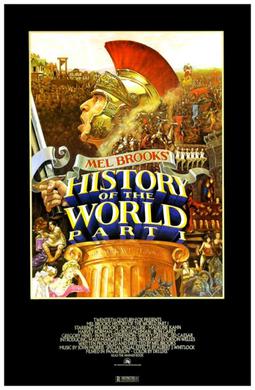
Structure and style
The film is organized into distinct segments that spoof familiar historical moments: prehistoric life, the Roman Empire, Biblical episodes, the Spanish Inquisition, and the French Revolution, among others. These segments mix broad slapstick, one-liners, parody songs and visual gags. Brooks's approach draws on vaudeville and sketch-comedy traditions; the result emphasizes rapid-fire jokes and character-based satire over dramatic continuity.
Principal cast and characters
Mel Brooks performs multiple roles, including comic takes on Biblical and royal figures, and he appears as characters such as Moses and the stand-up philosopher Comicus. The ensemble cast features a number of well-known comedians and character actors:
Production and influences
The film reflects Brooks's established comic sensibility, recognizable from his earlier works that blend parody with affectionate lampooning of film genres. Production values vary by segment: some sketches are staged broadly and cheaply on purpose to suit the farcical tone, while others mount more elaborate sets and musical routines. The episodic form allowed Brooks to assemble a variety of guest performers and to shift register between satirical targets.
Reception and legacy
Upon release the movie received mixed reviews. Some critics and viewers praised its comic inventiveness and memorable set pieces, while others found the collection of sketches uneven in quality and tone. It has since become part of Mel Brooks's body of work that defined American film comedy in the 1970s and early 1980s. The film was cited in both contemporary and later assessments of Brooks's career, and it attracted both popular fans and detractors. It was nominated in a tongue-in-cheek category by the Stinkers Bad Movie Awards, and critic Roger Ebert awarded it a modest two-star review.
Notable facts
The movie is remembered for its willingness to lampoon sacred cows and for using well-known performers in cameo and supporting turns. Its sketch-based format influenced later variety-style film comedies and remains a reference point for discussions about satire that targets history and institutions. For further reading and archival material, consult filmographies and collections that explore Brooks's films and the period comedy tradition.
Related articles
Author
AlegsaOnline.com History of the World, Part I (1981 film) Leandro Alegsa
URL: https://en.alegsaonline.com/art/44507
Sources
- rogerebert.com : "History of the World Part 1" · web.archive.org