
Historic counties of England
Traditional territorial divisions of England originating in the medieval era, used historically for administration, law and identity; they still shape ceremonial roles and cultural geography today.
The historic counties of England — often called ancient or traditional counties — are long-established territorial divisions that emerged in the early medieval period and were used for local administration, justice and taxation for many centuries. Their names and boundaries became embedded in local identity and place‑names. Although modern local government has reconfigured administrative boundaries, the historic counties continue to be important for ceremonial offices, cultural reference and historical research.
Image gallery
10 Images


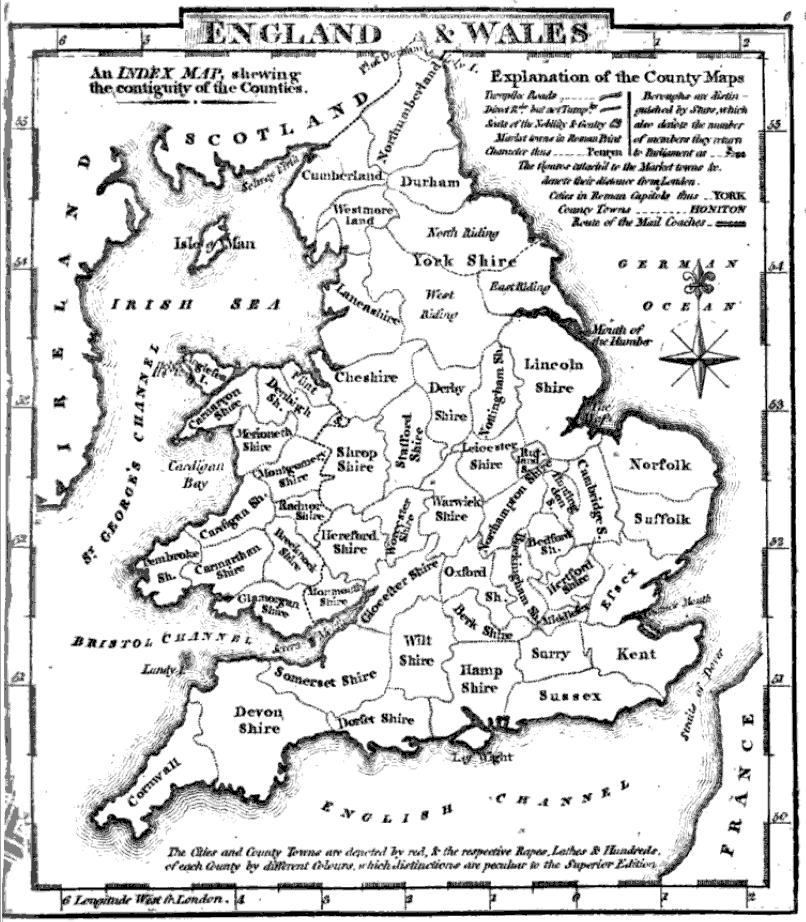


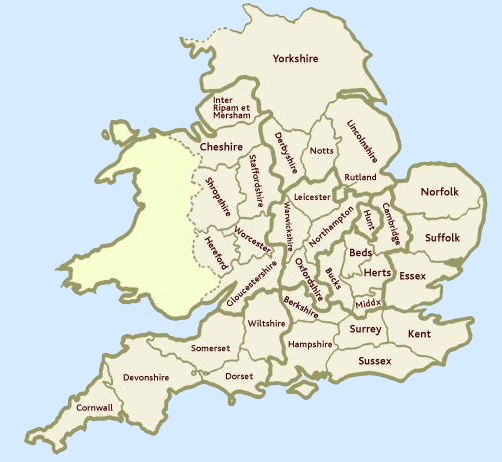
Characteristics and structure
Historic counties vary widely in size and character, from compact shires in the south to large northern counties. Many date from Old English administrative units ('shires'), while others reflect older tribal or kingdom territories. Several counties were subdivided for practical purposes: for example, Yorkshire was traditionally divided into ridings, and some counties contained separate corporate or county boroughs governed independently of the county authority. Historically they held responsibilities such as maintaining law and order, overseeing local courts (assizes), and collecting taxes.
History and development
The origins of the counties are rooted in the consolidation of local power in the Anglo‑Saxon and early Norman periods, when rulers established units for administration and military muster. Over time boundaries shifted through conquest, marriage, and royal decree. From the later medieval period until the 19th century, counties were the primary unit for many national functions. Reforms in the 19th and 20th centuries created separate administrative counties, county boroughs and metropolitan areas, and later legislation reorganised local government again, altering many administrative boundaries while leaving the historic counties as a cultural and geographic reference.
Modern use and notable distinctions
Today a distinction is commonly made between historic (or traditional) counties and modern administrative or ceremonial counties. Administrative counties are the units used for local government services; ceremonial counties are used for lieutenancies and certain formal roles. The historic counties remain widely used in cultural contexts — in sports, genealogy, local history, and informal place references — and they are often preferred where a long‑standing sense of identity matters.
Examples and practical importance
- Examples of historic county names still in everyday use include Kent, Cornwall, Lancashire, Surrey and Yorkshire (with its historic divisions).
- They are important for family history and archival research because many historical records were organised by county.
- Sports teams, festivals and regional traditions frequently invoke historic county identities.
Although administrative maps have changed, historic counties remain a key layer in England's geographic and cultural landscape. For official guidance or archival material that distinguishes historic and administrative boundaries, see further reading.
Related articles
Author
AlegsaOnline.com Historic counties of England Leandro Alegsa
URL: https://en.alegsaonline.com/art/44437
Sources
- visionofbritain.org.uk : Vision of Britain
- visionofbritain.org.uk : Vision of Britain