
Hizen Province: historical region of northwestern Kyūshū
Hizen Province was an historical Japanese province in northwestern Kyūshū, covering most of modern Saga and parts of Nagasaki; known for its ports, pottery centers and role in early modern Japan.
Overview
Hizen Province was an historical province on the island of Kyūshū. Its territory corresponds roughly to today's Saga Prefecture and parts of Nagasaki Prefecture. Traditionally grouped with its inland neighbor Higo Province, the two were sometimes collectively referred to as Hishū. The ancient provincial capital was located near the modern city of Saga.
Image gallery
7 Images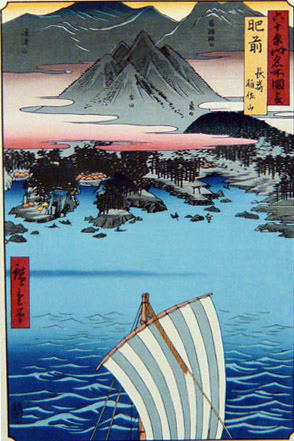


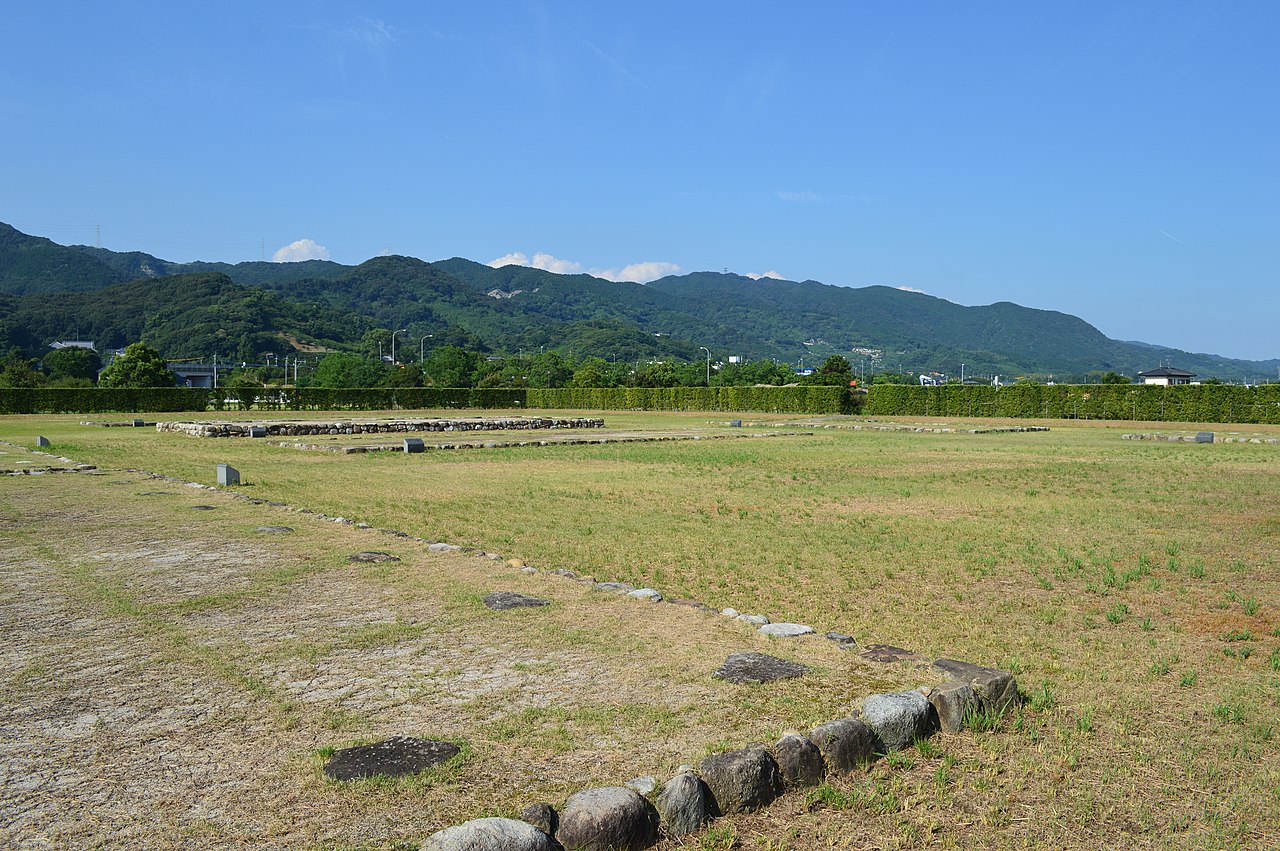
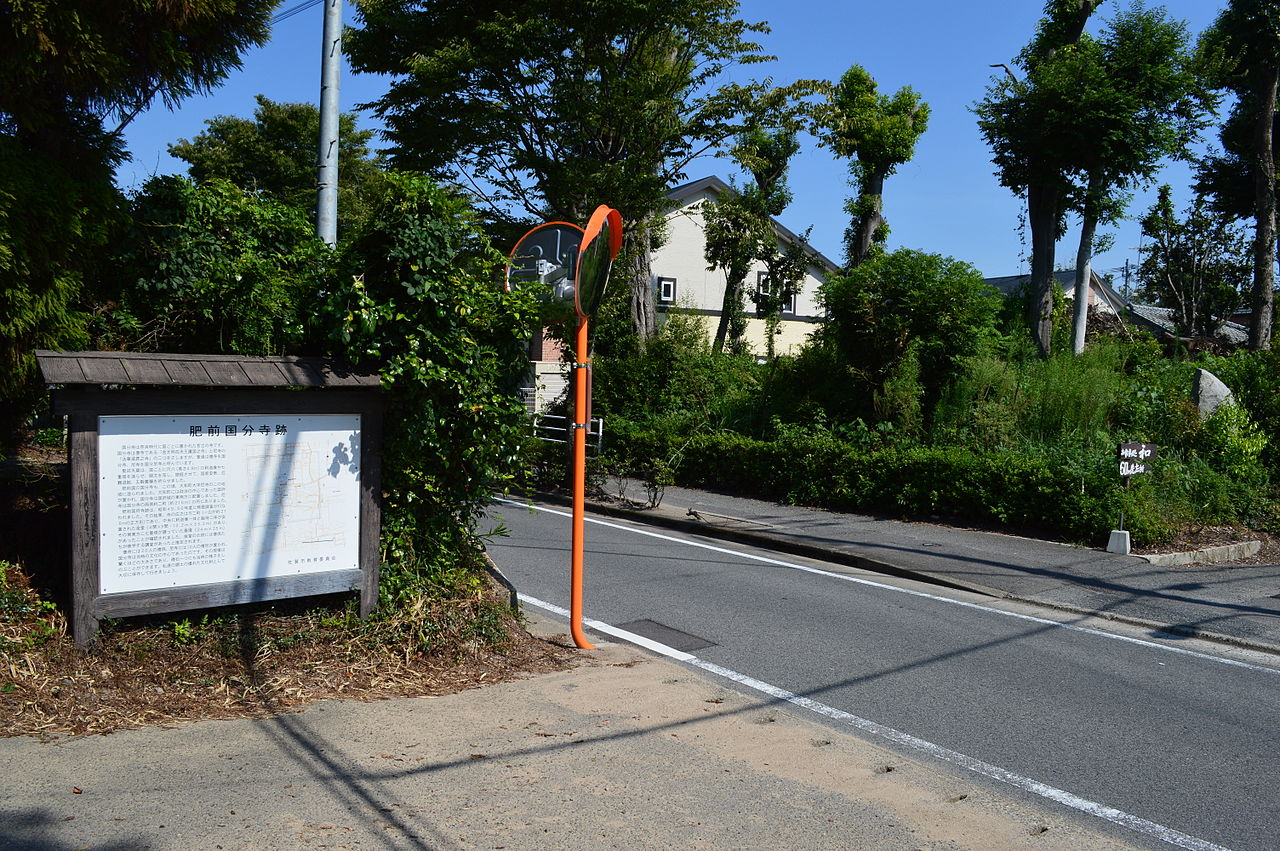


Geography and boundaries
Hizen occupied the northwestern coast of Kyūshū and had maritime access to the East China Sea and inland waters. It shared land boundaries with neighboring provinces; historical accounts note borders with adjacent provinces such as Chikuzen and Chikugo, and contemporary descriptions discuss its coastal and riverine connections via the region's natural harbors (borders and maritime routes).
History and administration
The province existed within Japan's classical ritsuryō system and continued as an administrative unit through feudal periods. During the Sengoku and Edo eras local clans and domains controlled parts of Hizen, with some centers gaining prominence as castle towns and administrative seats. With the nationwide reforms of the Meiji era, the traditional provinces were reorganized and Hizen's territory was divided into modern prefectural units.
Economy, culture and notable products
Hizen became famous for several cultural and economic activities. Coastal ports in the region facilitated trade and occasional foreign contact, especially near Nagasaki, which served as a conduit for limited international exchange in the early modern period. Inland, Hizen is widely associated with the development of high-quality ceramics; pottery centers produced wares that later became known under regional names and were important for both domestic use and export.
Notable places and legacy
- Provincial capital area near Saga, the historical administrative heart.
- Coastal ports and harbors that linked the province to maritime trade.
- Renowned pottery centers whose styles influenced Japanese ceramics.
Hizen's identity survives in regional history, place names and cultural traditions in modern Saga and Nagasaki prefectures. Its role as a coastal province with strong craft and trade traditions makes it a notable part of Kyūshū's historical landscape.
Questions and answers
Q: What is Hizen Province?
A: Hizen Province is an old province of Japan located in the area of Saga Prefecture and Nagasaki Prefecture on Kyūshū Island.
Q: What other provinces is Hizen bordered by?
A: Hizen Province is bordered by Chikuzen Province and Chikugo Province.
Q: What is the ancient capital city of Hizen Province and where is it located?
A: The ancient capital city of Hizen Province is located near Saga.
Q: What is Hishū and how is it related to Hizen Province?
A: Hishū is sometimes used to refer to Hizen Province and Higo Province together.
Q: What is the modern-day equivalent of Hizen Province?
A: The modern-day equivalent of Hizen Province is Saga Prefecture and Nagasaki Prefecture.
Q: Where is Kyūshū Island located?
A: Kyūshū Island is one of the four main islands of Japan and is located in the southwestern part of the country.
Q: What is the significance of Hizen Province in Japanese history?
A: Hizen Province played an important role in Japanese history as it was home to a number of influential samurai clans and served as a major center of porcelain production during the Edo period.
Related articles
Author
AlegsaOnline.com Hizen Province: historical region of northwestern Kyūshū Leandro Alegsa
URL: https://en.alegsaonline.com/art/44558
Sources
- books.google.com : Japan Encyclopedia
- books.google.com : Hildreth's "Japan as it was and is": a handbook of old Japan
- books.google.com : Japan Encyclopedia
- eos.kokugakuin.ac.jp : "Hachiman Shinkō,"
- eos.kokugakuin.ac.jp : "Nationwide List of Ichinomiya," p. 3