
Samuel Liddell MacGregor Mathers
British occultist (c.1854–1918), co‑founder and leader of the Hermetic Order of the Golden Dawn; editor and translator of influential kabbalistic and ceremonial texts in the late 19th century.
Overview
Samuel Liddell MacGregor Mathers (born Samuel Liddell, c. January 1854–November 1918) was a central figure in the late‑Victorian and Edwardian occult revival. He is best known as one of the principal founders and leaders of the Hermetic Order of the Golden Dawn, an organization that combined ritual magic, kabbalah, tarot, and Western esoteric teachings into a structured initiatory system. His editorial and translation work helped make several esoteric texts accessible to English readers and shaped modern ceremonial practice.
Image gallery
1 Image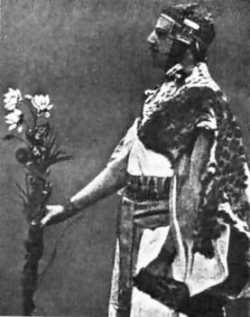
Early life and identity
Mathers was born in England in 1854; historical records give slightly different dates for his birth and death. In adulthood he adopted the additional surname "MacGregor," asserting a romantic link to Scottish Highland ancestry. He trained in languages and antiquarian studies and developed an early interest in Freemasonry, grimoires, and the occult literature then being rediscovered in Europe. He also formed a close personal and working partnership with his wife, Mina (Moina) Mathers, who was an artist and active collaborator in esoteric rituals.
Golden Dawn and organizational work
In 1888 Mathers, together with William Wynn Westcott and William Robert Woodman, established the Hermetic Order of the Golden Dawn. The Order introduced a graded system of instruction combining ceremonial ritual, meditative practices, elemental symbolism, and scholarly study of kabbalah and astrology. Under Mathers's leadership he composed or edited many of the Order's rituals and curricula and emphasized a structure that combined practical magic with moral and intellectual training.
Writings, translations, and methods
Mathers produced English editions and commentaries on several influential occult manuscripts and grimoire materials. His work included translations and annotated editions of kabbalistic and ceremonial texts, and he published material on ritual procedure, talismanic magic, and esoteric symbolism. These publications—while sometimes criticized for errors or interpretive choices—played a major role in circulating continental esoteric ideas within the English‑speaking world.
Controversies, schisms, and legacy
Mathers's tenure as a leader was marked by disputes over authority and direction. Personal and organizational conflicts within the Golden Dawn, including clashes with prominent members such as Florence Farr and later Aleister Crowley, led to schisms and legal disputes that fragmented the original Order. Despite these controversies, the systems and rituals associated with Mathers continued to influence later occultists, fraternal groups, and 20th‑century esoteric movements. Modern ceremonial magic, tarot interpretation, and many contemporary esoteric orders trace part of their lineage to Mathers's editorial and organizational efforts.
Notable facts
- Mathers combined scholarly translation with ritual innovation, bridging academic and practical approaches to Western esotericism.
- His wife, Moina Mathers, was an important collaborator and performer in Golden Dawn ceremonies.
- Although he is a controversial figure, his influence is evident in the continued use of Golden Dawn‑derived rituals in both magical and literary contexts.
Author
AlegsaOnline.com Samuel Liddell MacGregor Mathers Leandro Alegsa
URL: https://en.alegsaonline.com/art/130407