
Hermann Hesse
German-born Swiss poet, novelist and painter (1877–1962). Nobel Prize laureate (1946). Best known for Siddhartha, Steppenwolf and The Glass Bead Game; explored spiritual quests, individuation and Eastern thought.
Overview
Hermann Hesse (2 July 1877 – 9 August 1962) was a prominent writer and artist whose work bridged European literary traditions and explorations of spirituality and selfhood. Born in Germany and later residing in Switzerland, Hesse produced novels, poems and essays that reached a wide international audience. He received the Nobel Prize in Literature in 1946 and remains best known for novels that combine psychological insight with philosophical and religious themes.
Image gallery
10 Images




Life and background
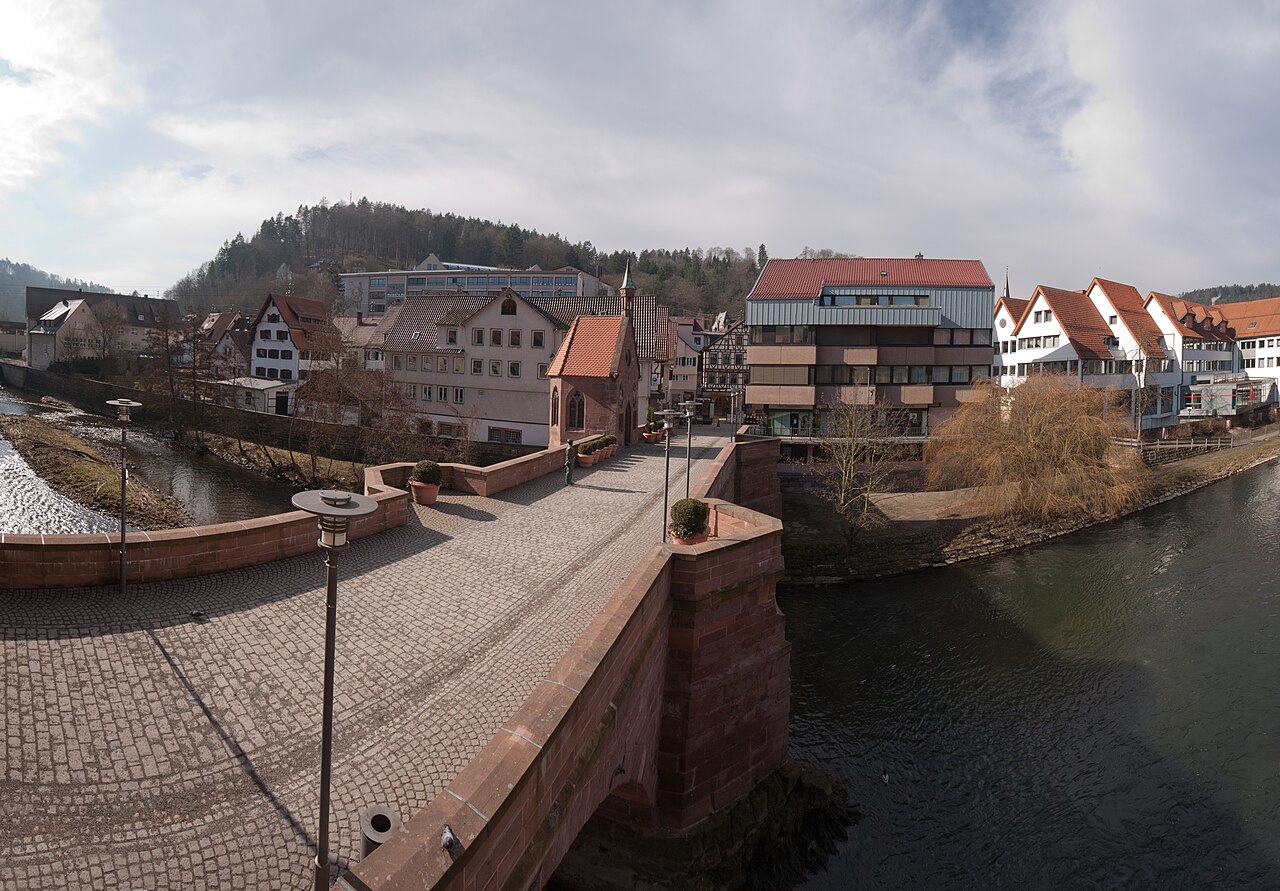
Hesse was born in the Black Forest town of Calw and grew up in a family with a background in missionary work and scholarship. He spent much of his adult life in Switzerland, where he developed the language and personal distance that shaped his later writings; he is often described as both German and Swiss in cultural identity. Alongside his literary output he pursued painting, and his artistic sensibility informed the imagery and structure of several works.
Major works
Several novels established Hesse's reputation across different reading publics. His books often depict protagonists on inner journeys, caught between social expectations and a desire for self-knowledge. Notable titles include:
- Demian (1919) — an exploration of adolescence and the awakening of individuality
- Siddhartha (1922) — a concise novel inspired by Indian spiritual traditions about a man's search for enlightenment
- Steppenwolf (1927) — a study of divided selfhood and cultural alienation
- The Glass Bead Game (also published as Magister Ludi, 1943) — a late, ambitious novel imagining a scholarly, almost monastic intellectual order
Themes and style
Hesse's work is characterized by an engagement with inwardness: psychological development, dreams and symbols recur throughout his fiction. He was receptive to Eastern religions—Buddhist and Hindu ideas appear explicitly in books such as Siddhartha—and he also absorbed contemporary currents in psychology, particularly ideas about individuation and archetypes. His prose ranges from lyrical and contemplative passages to more dialogic, novelistic scenes; many readers find his tone reflective and didactic in turns.
Influence and reception
During the mid-20th century Hesse attracted devoted readerships in Europe and beyond; translations of his books contributed to his international stature. The Nobel Prize acknowledged both his literary achievements and his contribution to spiritual and cultural conversation after the upheavals of the first half of the century. Today Hesse is studied for his fusion of literary form with philosophical inquiry and remains influential in discussions of modern spiritual literature.
Further reading and notable facts
Hesse combined writing with visual art and maintained a lifelong interest in education and the life of the mind. For readers seeking introductions, Siddhartha and Steppenwolf are commonly recommended as accessible entry points, while The Glass Bead Game is often read as the culmination of his later ideas about culture and scholarship.
Related articles
Author
AlegsaOnline.com Hermann Hesse Leandro Alegsa
URL: https://en.alegsaonline.com/art/43798